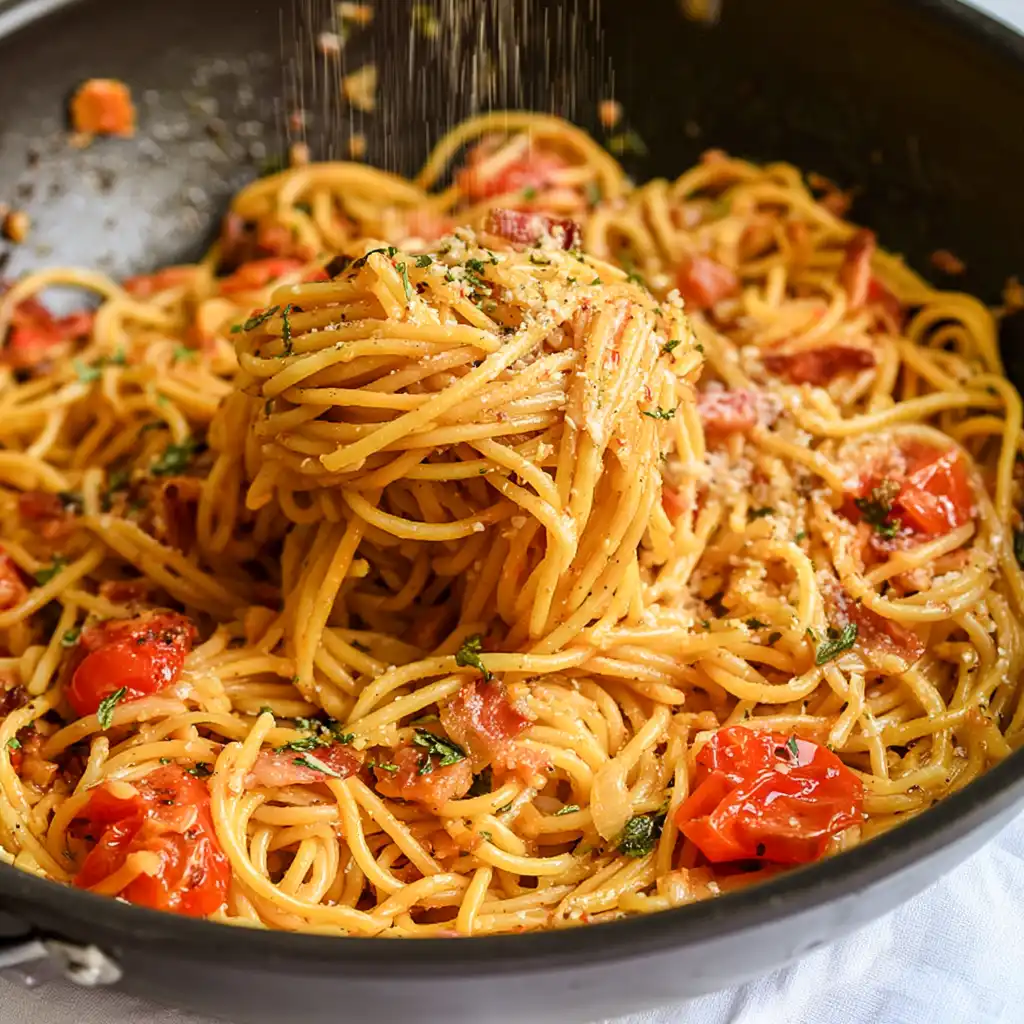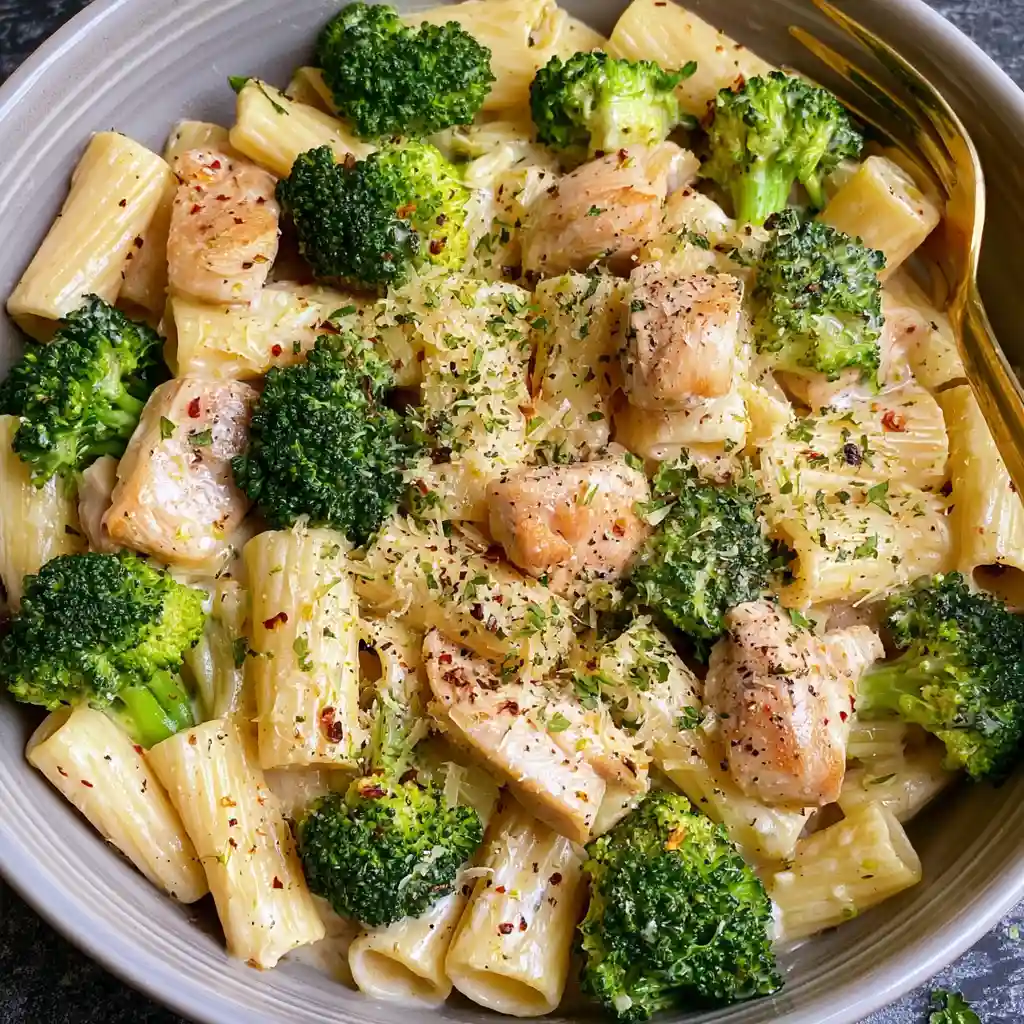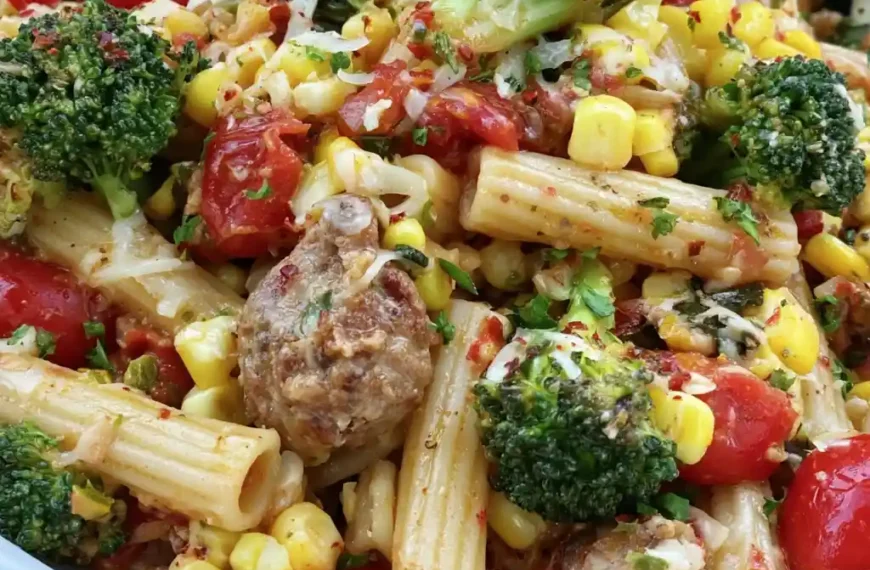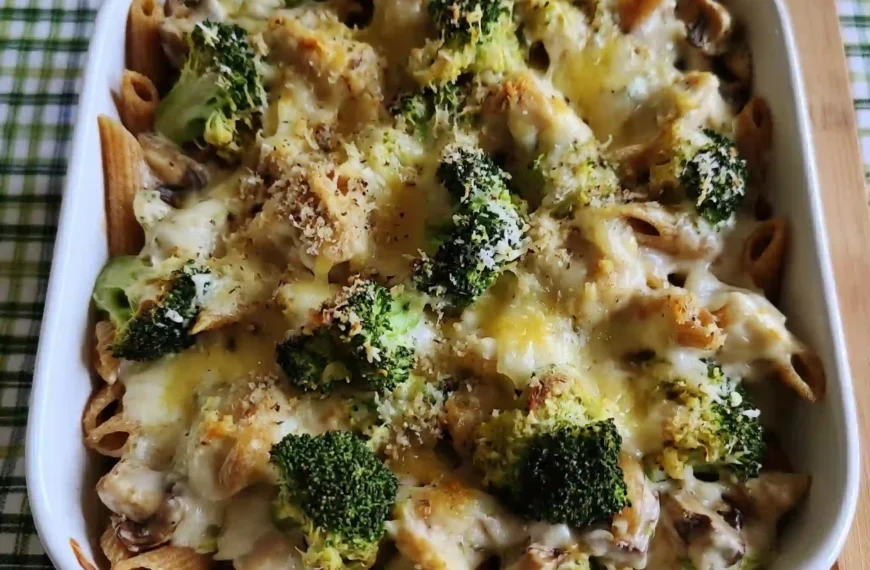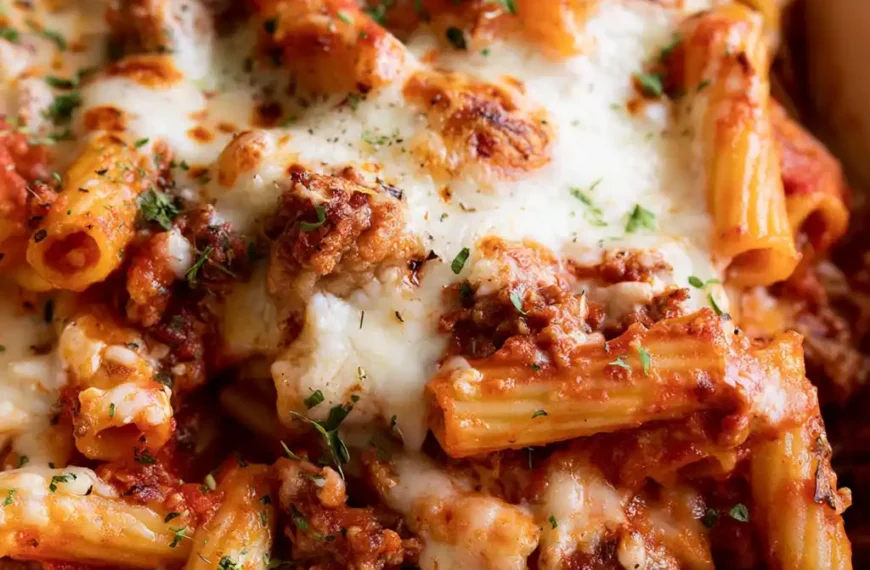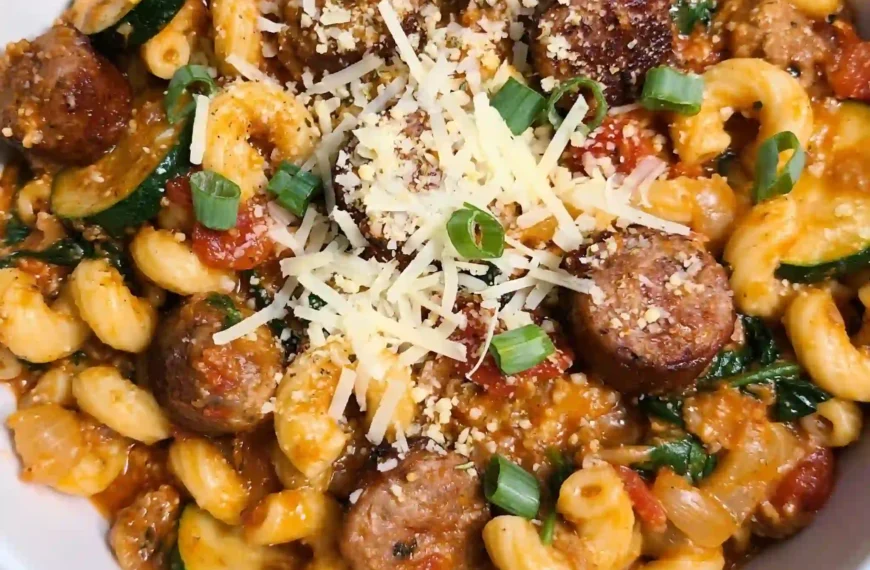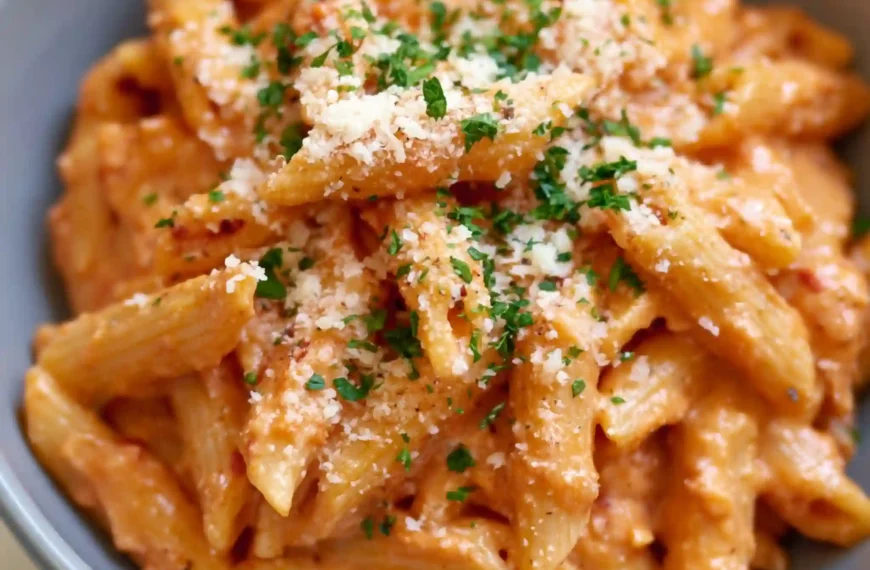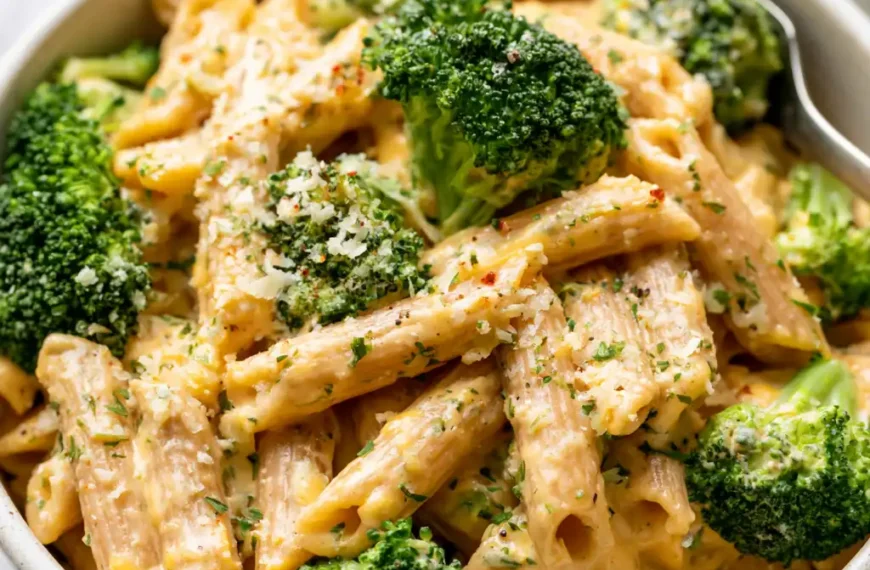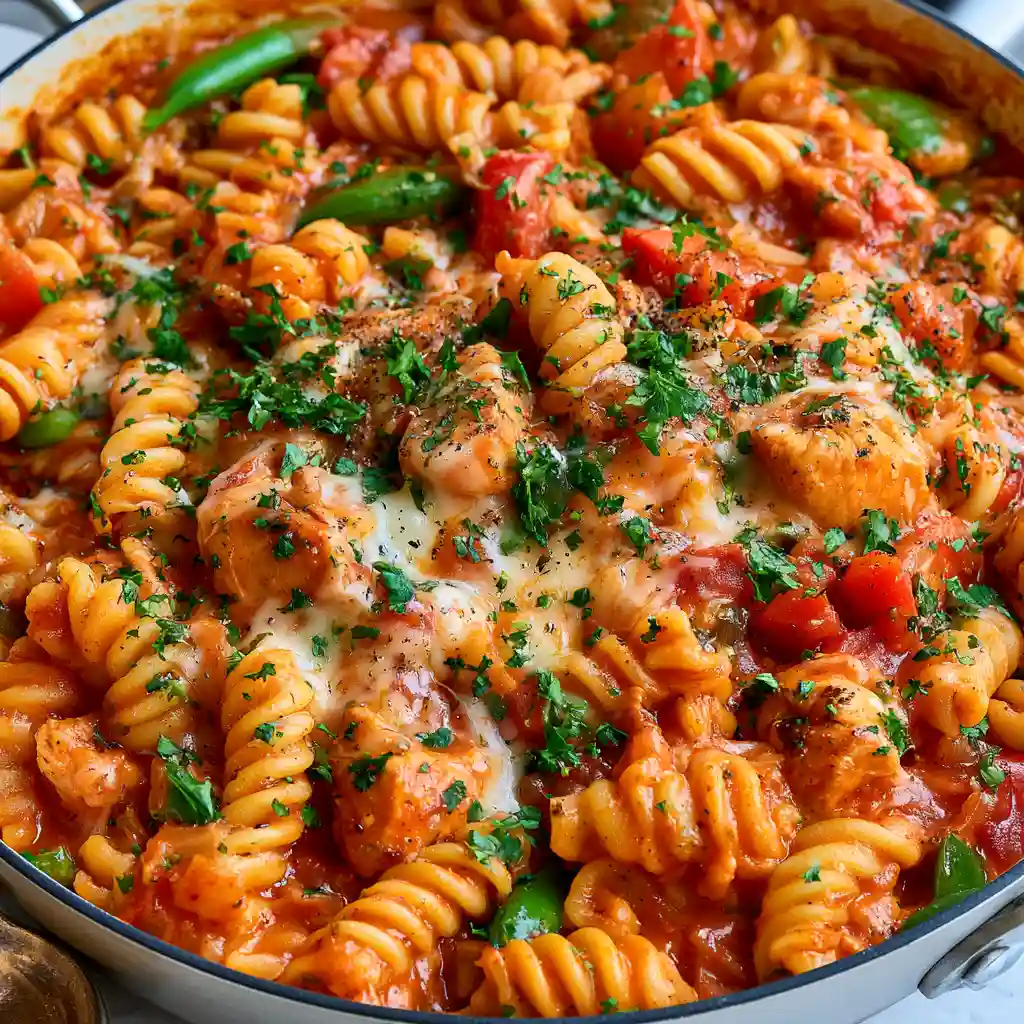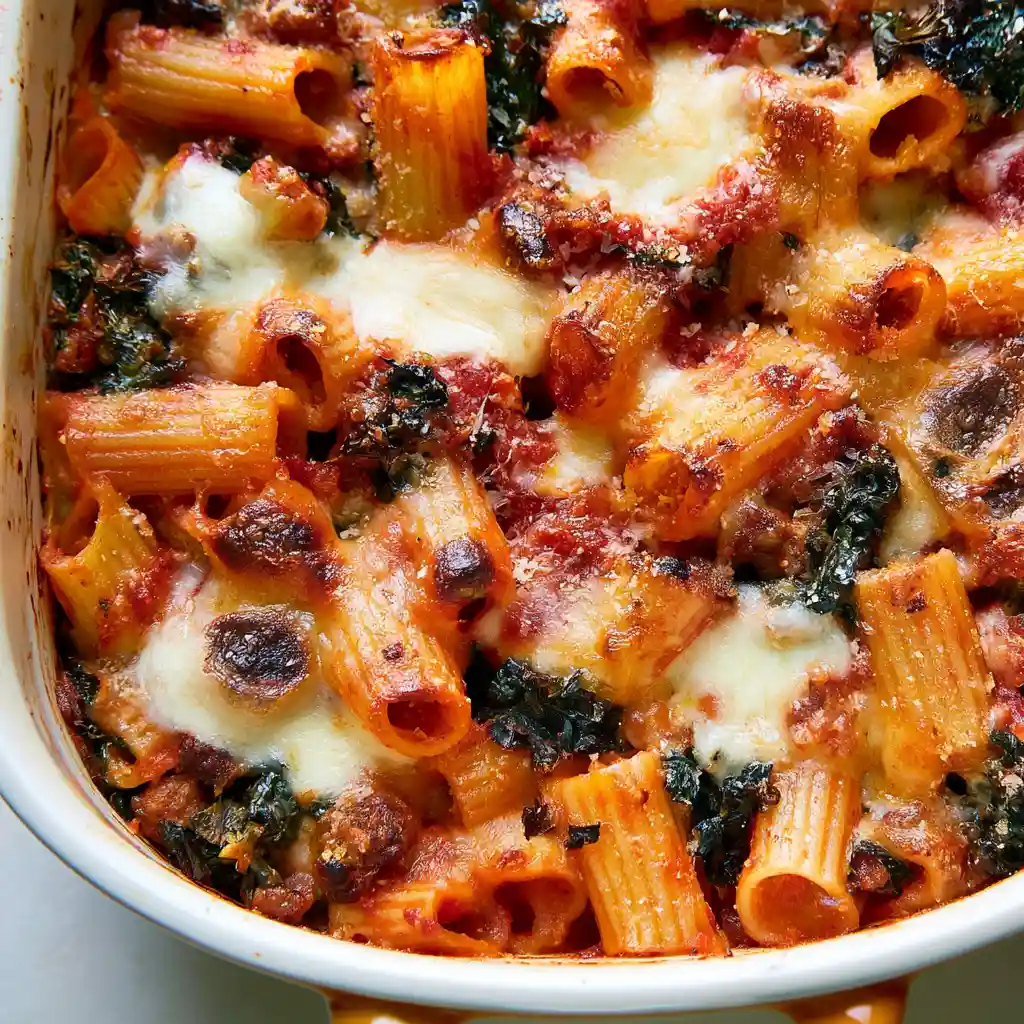
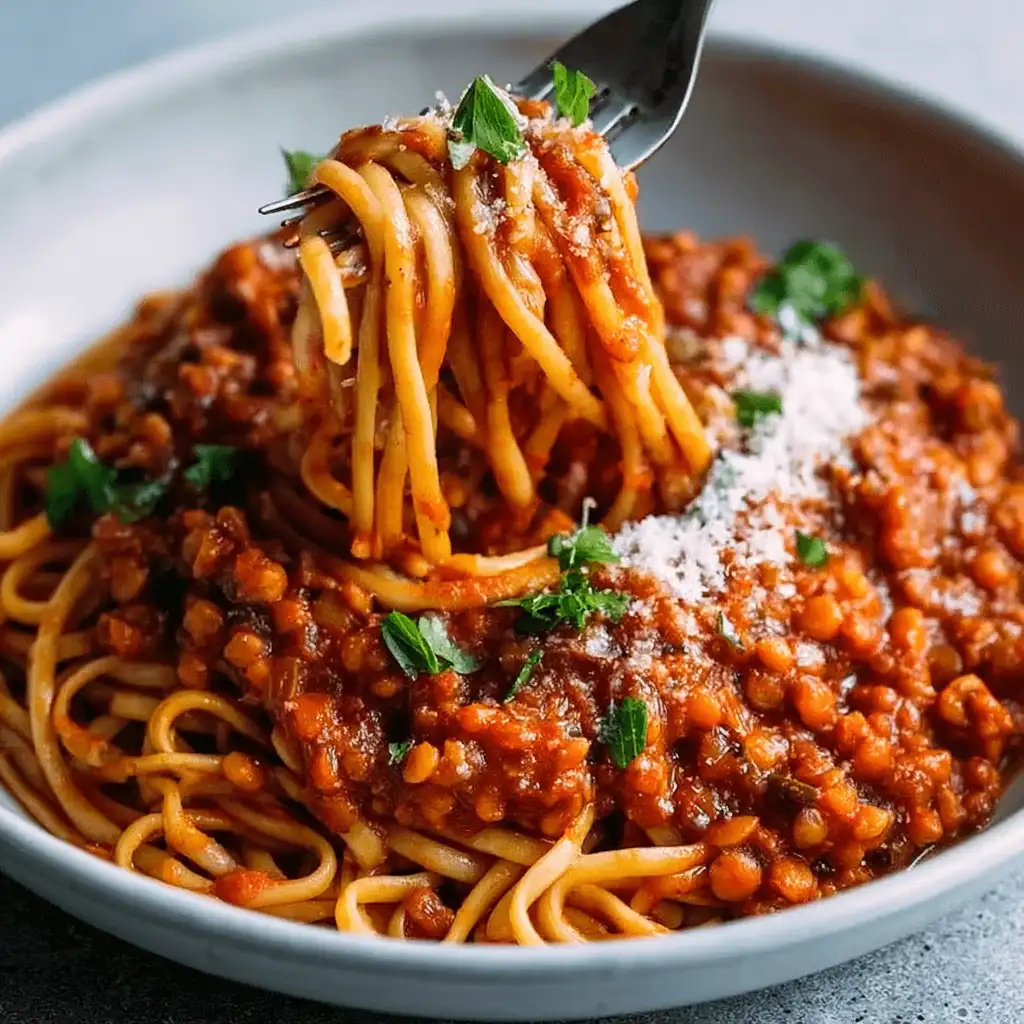
There’s something deeply satisfying about a pot of lentil bolognese simmering on the stove. The smell alone—tomato, herbs, garlic, and that slow-cooked richness—makes you want to clear the counter and set the table early. I make this version when I want comfort without the heaviness, and it’s become my go-to for weeknights that still feel a little special.
Why this recipe works
Red lentils break down just enough to give the sauce body without turning mushy, especially after a quick soak. Tomato paste cooked until it darkens adds a concentrated, almost meaty depth, while crushed walnuts bring a subtle nuttiness and texture that mimics ground meat. A splash of balsamic at the end ties everything together with a touch of sweetness and acidity.
Ingredients
- 1 ½ tablespoons olive oil
- 1 large onion, diced
- 4 garlic cloves, minced
- 1 teaspoon dried oregano
- 1 teaspoon dried thyme (or use more oregano)
- 1 ½ teaspoons kosher salt, plus more to taste
- Freshly ground black pepper to taste
- 1 (5.3-ounce/150g) tube of tomato paste
- ½ cup (120 mL) dry red wine (optional)
- 3 cups (720 mL) vegetable broth
- 1 cup (185g) red lentils, soaked
- ¼ cup (32g) walnuts (or pecans), crushed finely
- 1 (14.5-ounce/410g) can crushed tomatoes or whole peeled tomatoes, crushed by hand
- 12–16 ounces (340–454g) long, wide pasta (tagliatelle, pappardelle, fettuccine) or tube pasta (rigatoni, penne rigate) or gnocchi
- 1 tablespoon high-quality balsamic vinegar
- Flat-leaf Italian parsley or fresh basil, chopped or slivered (optional)
Instructions
Soak the lentils. Place the red lentils in a bowl and cover with water. Let them soak for 30 minutes, up to 60 if you have time. While they soak, prep everything else: dice the onion, mince the garlic, crush the walnuts, and measure out your spices and liquids.
Build the base. Heat a 12-inch deep sauté pan or Dutch oven over medium-high heat. Add the olive oil. Once it shimmers, add the diced onion and a pinch of salt. Cook, stirring occasionally, until a light brown fond starts to form on the pan—about 5 minutes. Add a few spoons of water to deglaze, scraping up those browned bits. Continue cooking the onions, adding small splashes of water every few minutes and stirring often to prevent burning, until they’re softened and golden brown, about 9–10 minutes total.
Add aromatics and herbs. Stir in the garlic, thyme, oregano, 1 ½ teaspoons kosher salt, and a few turns of black pepper. Cook, stirring frequently, for 60–90 seconds until fragrant.
Caramelize the tomato paste. Add the tomato paste and cook for 2–3 minutes, stirring very frequently, until it darkens to a deeper red. This step matters—it builds the savory backbone of the sauce.
Deglaze with wine (if using). If you’re using red wine, pour it in now and scrape up any remaining browned bits. Cook for 1–2 minutes until the alcohol smell burns off and the mixture looks jammy.
Simmer the lentils. Pour in the vegetable broth, stirring to dissolve the tomato paste and lift any stuck bits from the bottom. Add the soaked (and drained) lentils and crushed walnuts. Bring to a boil, then reduce the heat to medium-low to maintain a rapid simmer. Cook for 20 minutes, stirring occasionally.
Add tomatoes and finish the sauce. Stir in the crushed tomatoes. Simmer for another 15–20 minutes, or until the lentils are tender but still hold their shape (al dente). Stir occasionally to prevent sticking. If the sauce looks like it’s drying out or sticking, add a splash of water or lower the heat. I usually go the full 20 minutes here for a more developed flavor.
Cook the pasta. While the sauce finishes, bring a large pot of water to a boil and salt it generously. Add the pasta and cook until just al dente. Reserve a ladle of pasta water, then drain the pasta (do not rinse).
Season and finish. Taste the bolognese and adjust salt and pepper as needed. Stir in the balsamic vinegar. If you don’t have good balsamic, you can omit it or use 1–2 teaspoons of sugar instead (start with 1 teaspoon, taste, then add more if needed).
Combine pasta and sauce. Add the hot cooked pasta directly to the bolognese. Toss until well coated, adding a bit of reserved pasta water if the sauce needs loosening. Garnish with chopped parsley or basil if you like.
Serving note. If you’re not serving all the sauce at once, transfer only the amount you’ll eat to the pasta pot. Add the hot cooked pasta, turn the heat to medium, and toss to coat. Store leftover bolognese sauce separately in the fridge.
Common mistakes and how to avoid them
- Skipping the soak. Red lentils cook fast, but soaking them for 30 minutes helps them soften evenly and prevents a grainy texture.
- Undercooking the tomato paste. If you don’t cook the paste until it darkens, the sauce can taste flat or tinny. Give it those 2–3 minutes of frequent stirring.
- Letting the onions burn. The goal is golden brown, not black. Add small splashes of water as needed and keep stirring.
- Overcooking the lentils. You want them tender but still with a little bite. Start checking at 15 minutes after adding the tomatoes.
- Rinsing the pasta. Rinsing removes the starch that helps the sauce cling. Drain, don’t rinse.
Substitutions and adjustments
- Lentils. Red lentils work best here because they soften quickly. Green or brown lentils will take longer and hold their shape more.
- Nuts. Walnuts are my favorite, but pecans work well too. If you’re nut-free, you can skip them or use toasted sunflower seeds.
- Wine. The red wine is optional. If you skip it, just add a bit more broth when deglazing.
- Pasta. Any egg-free pasta works. I like wide noodles like pappardelle or fettuccine, but rigatoni or penne rigate hold the sauce beautifully. Gnocchi is also a great option.
- Tomatoes. Whole peeled tomatoes crushed by hand give the best flavor, but crushed tomatoes work too. If your can is larger than 14.5 ounces, use about half of a 28-ounce can.
Serving suggestions
- Toss with a handful of chopped parsley or basil for freshness.
- Serve with a simple green salad and crusty bread.
- Top with vegan parmesan or a sprinkle of nutritional yeast if you like.
Storage and reheating
Store leftover bolognese sauce in an airtight container in the fridge for up to 4 days. Reheat gently on the stove with a splash of water or broth to loosen. Cooked pasta with sauce is best eaten the same day, but you can store it in the fridge for 2–3 days and reheat with a bit of water.
Freezer instructions
This sauce freezes beautifully. Let it cool completely, then transfer to a freezer-safe container or bag. Freeze for up to 3 months. Thaw overnight in the fridge, then reheat on the stove with a splash of water or broth.
FAQ
Can I use canned tomato paste instead of a tube?
Tube tomato paste is more concentrated and easier to use in small amounts, which gives better flavor control. Canned paste works, but you may need to cook it a bit longer to deepen the flavor.
What red wine should I use?
Any dry red wine works—Malbec, Chianti, Tempranillo, Sangiovese, Merlot, Cabernet Sauvignon, Pinot Noir, or Syrah. Just make sure it’s vegan-friendly if that matters to you.
Do I have to soak the lentils?
It’s not strictly required, but soaking for 30–60 minutes helps them cook more evenly and reduces the chance of a grainy texture.
Can I make this gluten-free?
Yes—just use gluten-free pasta. Check the label to make sure it’s egg-free if you’re keeping it vegan.
Why add balsamic at the end?
A good balsamic adds a touch of sweetness and acidity that rounds out the tomato flavor. If you don’t have it, a teaspoon or two of sugar works as a substitute.
This lentil bolognese is the kind of recipe I come back to again and again. It’s forgiving, flavorful, and feeds a crowd without much fuss. Once you’ve made it a few times, you’ll know exactly how to tweak it to your taste—and that’s when it becomes a true staple.
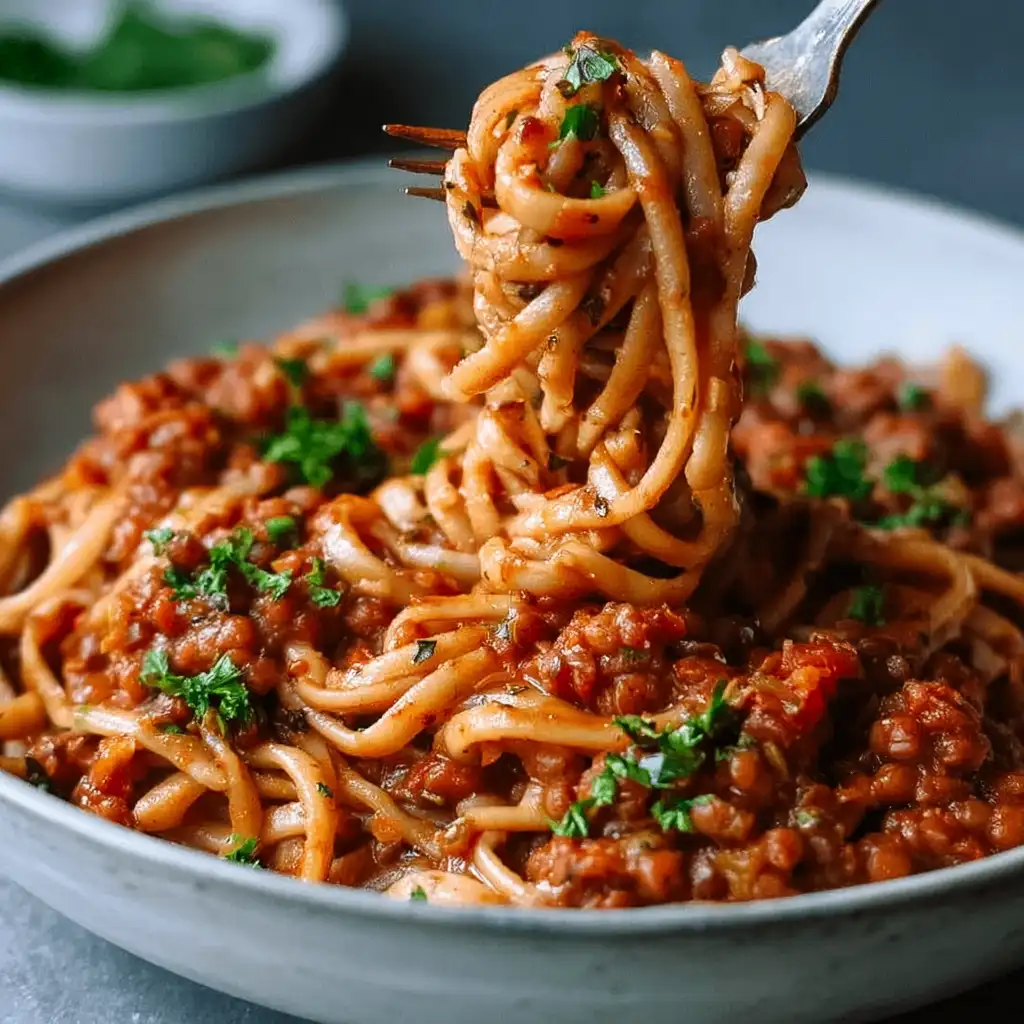

Lentil Bolognese
Ingredients
Method
- Soak the 1 cup of lentils in water for 30 minutes, or up to 60 minutes. Meanwhile, prep all the other ingredients (i.e., chop the onions and garlic, chop the walnuts, etc.)
- Heat a 12-inch deep sauté pan or Dutch oven on medium-high heat. Add the olive oil, and once it’s shimmering, add the onions and season with a pinch of salt. Stir occasionally and cook the onions until a light brown fond starts form on the surface of the pan, about 5 minutes. Add a few spoons of water to deglaze the pan, and stir. Continue cooking the onions, adding more water every few minutes and stirring frequently to prevent burning, until the onions are softened and golden brown, 9-10 minutes.
- Add the garlic, thyme, oregano, 1 1/2 teaspoons kosher salt, and pepper to taste. Stir frequently and cook for 60-90 seconds.
- Stir in the tomato paste and cook for 2-3 minutes to caramelize, stirring very frequently, until it’s darker red in color.
- Optional: If using the red wine, pour the wine into the pan and deglaze, scraping up any browned bits. Cook for 1-2 minutes, until the smell of alcohol has burned off and the mixture is jammy.
- Pour in the broth to deglaze the pan, stirring any browned bits on the bottom of the pot and stirring the broth into the tomato paste to combine. Add the lentils and walnuts, and stir to incorporate. Heat until the mixture comes to a boil, then reduce the heat to medium-low to maintain a rapid simmer for 20 minutes, stirring occasionally.
- Add the crushed tomatoes and simmer for another 15-20 minutes, or until the lentils are tender but still al dente, stirring occasionally to prevent burning and sticking.
- If using crushed tomatoes, you may need to add a little water or lower the heat as needed to prevent burning.
- I prefer to cook for 20 minutes for a more developed flavor.
- Meanwhile, bring a large pot of water to a boil and salt generously. Add the pasta and cook until just al dente. Reserve a ladle or so of pasta water (may not need it). Drain the pasta but do not rinse it.
- Taste the bolognese for seasonings, adding more salt and pepper to taste. Finish with the balsamic vinegar (or sugar, see note 5), and stir to combine.
- Add the hot cooked pasta to the bolognese and toss until well coated in the sauce, adding a bit of pasta water as needed to ensure the sauce coats the noodles. Garnish with chopped parsley or basil, if using.
- Note: If you’re not serving all of the bolognese at this time, transfer the amount of bolognese sauce you’d like to eat to the pasta pot. Add the hot cooked pasta, turn the heat to medium, and toss to coat. Store the leftover bolognese sauce separately in the fridge.
Notes
- As mentioned in the post, this recipe is best with tomato paste from a tube, not canned tomato paste.
- Dry red wines include malbec, chianti, tempranillo, sangiovese, merlot, cabernet sauvignon, pinot noir, and syrah. See the “tips” section for recommended vegan-friendly brands.
- For the best tomato flavor, use whole peeled tomatoes and crush them by hand. Crushed and whole peeled tomatoes are hard to find in 14.5 ounce cans, so I usually use half of a 28-ounce can.
- Read the package ingredients to ensure the pasta is egg-free!
- If you don’t have a high-quality balsamic vinegar, you can (a) omit or (b) substitute with 1-2 teaspoons of sugar (brown, coconut, or cane sugar; start with just 1 teaspoon, then taste, and add more as needed).
Calories: 434kcal | Carbohydrates: 74g | Protein: 18g | Fat: 8g | Saturated Fat: 1g | Polyunsaturated Fat: 3g | Monounsaturated Fat: 3g | Sodium: 873mg | Potassium: 856mg | Fiber: 14g | Sugar: 9g | Vitamin A: 466IU | Vitamin C: 15mg | Calcium: 82mg | Iron: 5mg