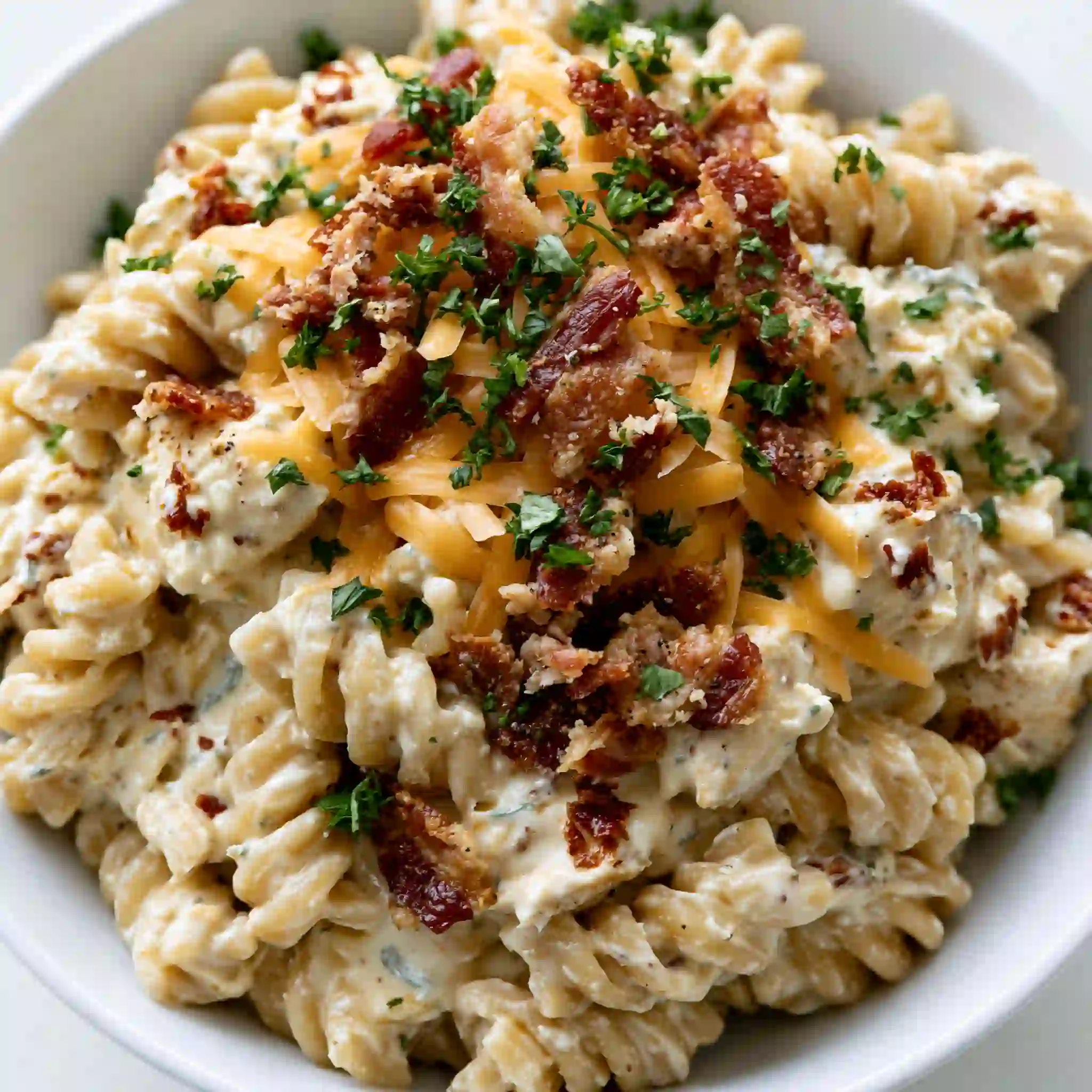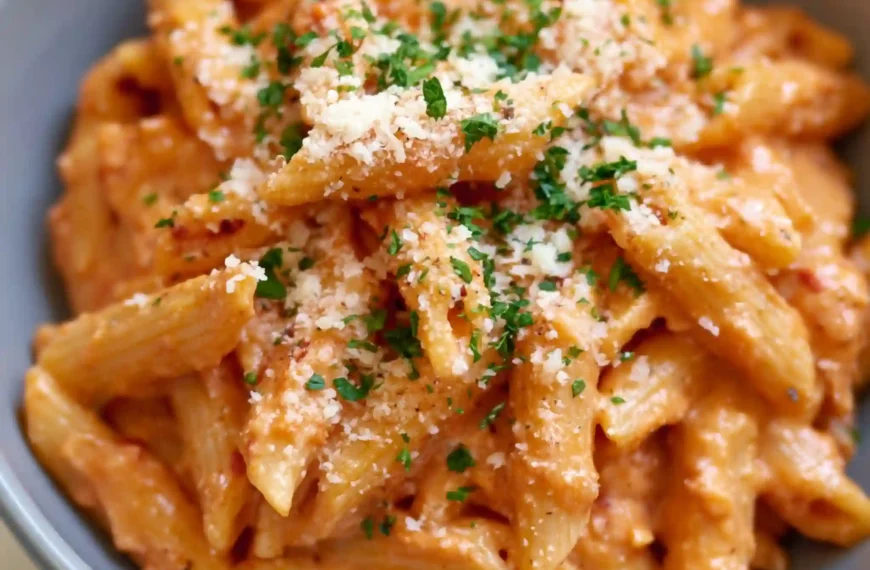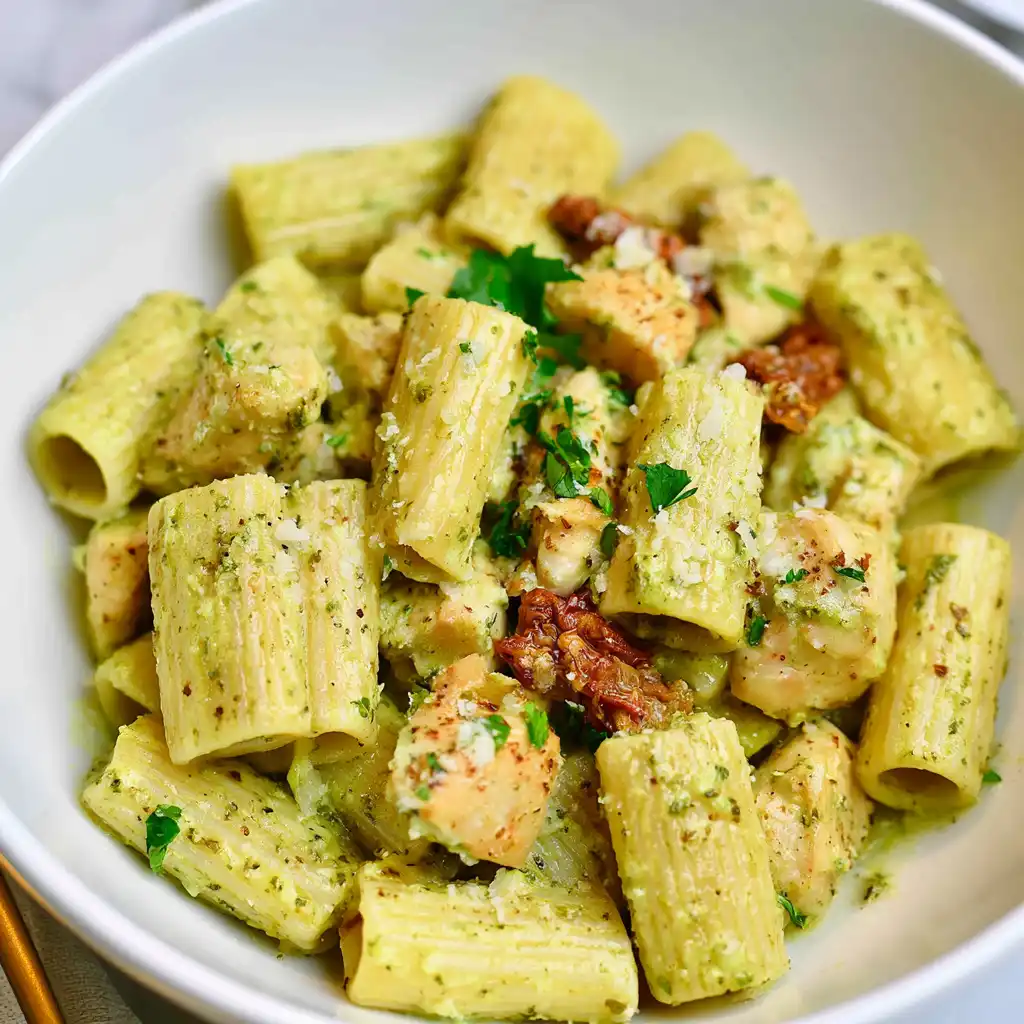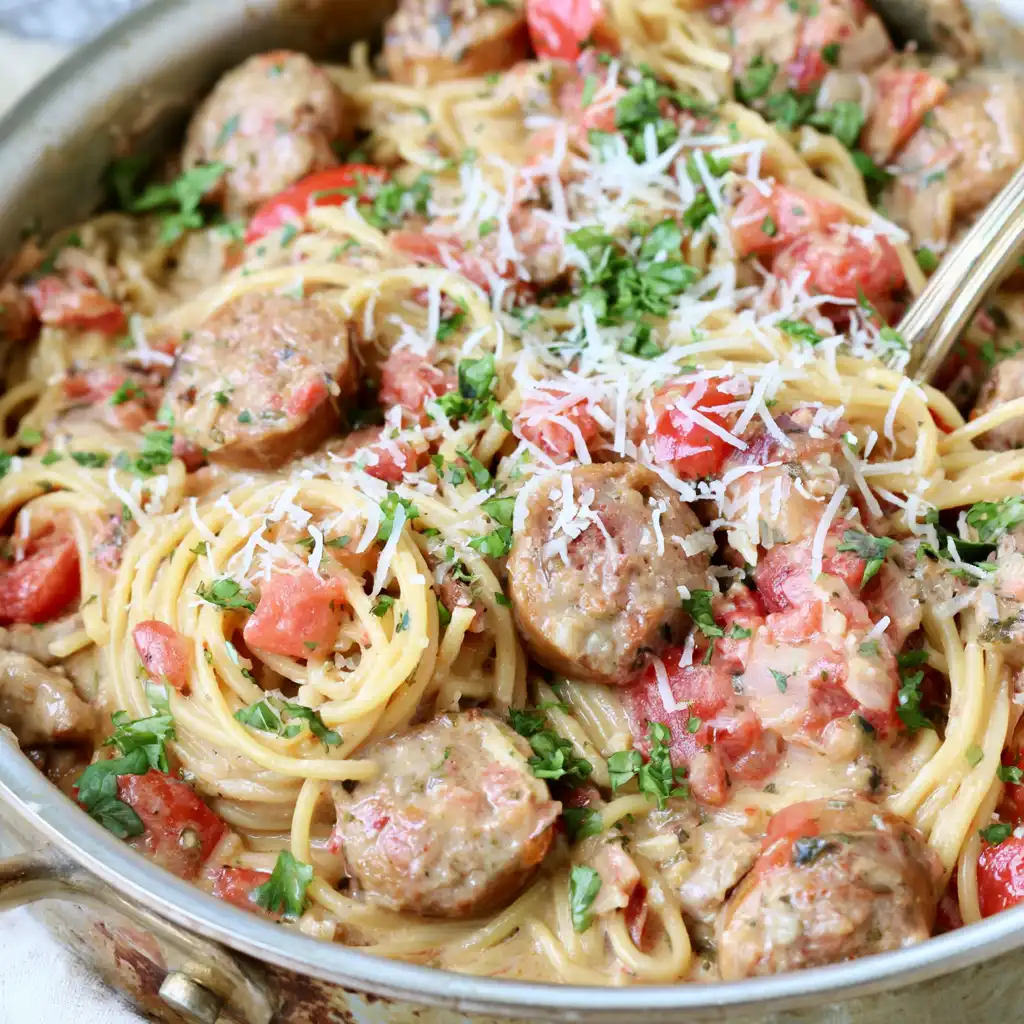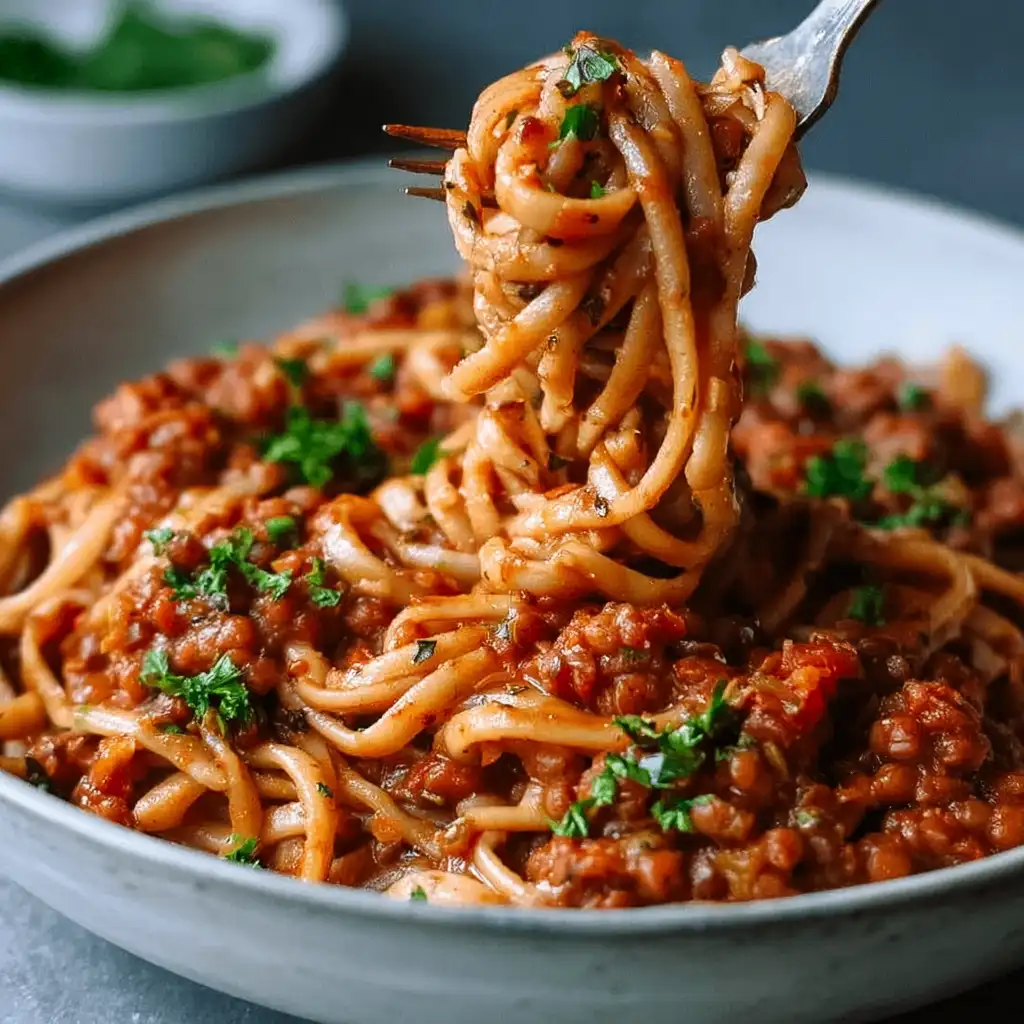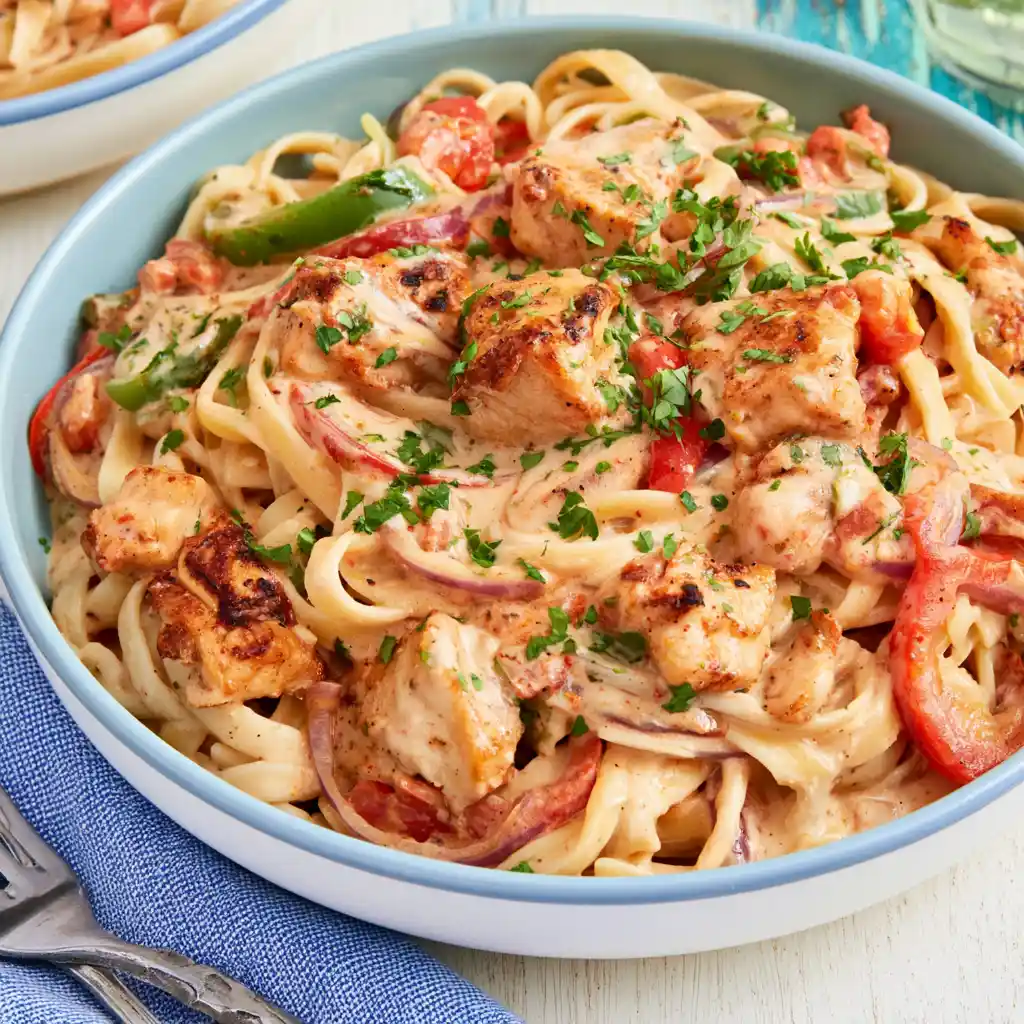
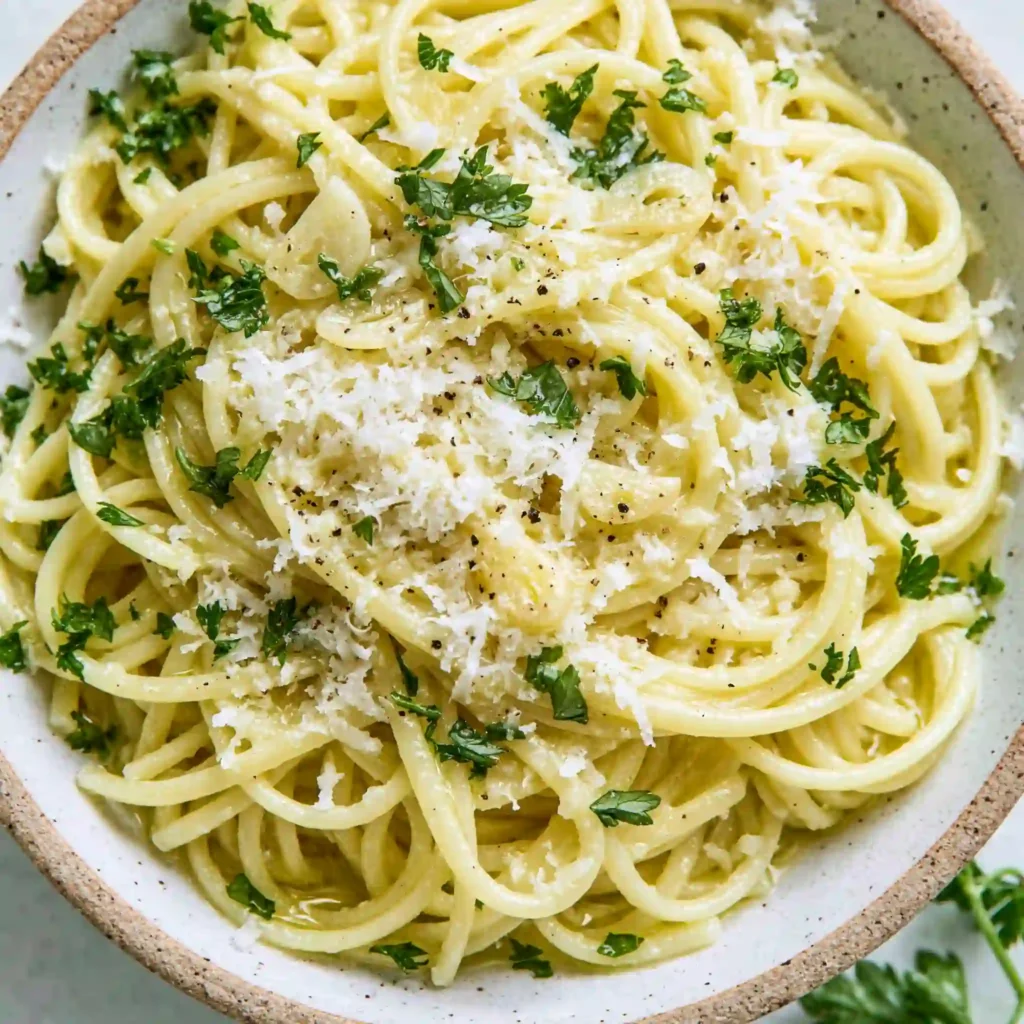
Some nights call for a meal that comes together quickly but still feels complete, and Garlic Butter Pasta is exactly that kind of dish. It relies on a few basic ingredients and a simple method, but when done right, the result is smooth, lightly rich, and full of flavor. I make this when I want something reliable that doesn’t require much planning.
Why this recipe works
This pasta depends on technique more than complexity. The key is using pasta water and butter together to create a light sauce that clings to each strand. The starch in the water helps emulsify the butter, turning it into something closer to a silky coating rather than a greasy finish.
Garlic is cooked gently so it flavors the butter without turning sharp or bitter. Parmesan and parsley finish the dish with a bit of saltiness and freshness, keeping everything balanced.
Ingredients
- 8 ounces (225 g) dried pasta such as spaghetti, linguine, or any other long or short pasta
- 4 tablespoons (52 g) unsalted butter divided
- 3 cloves garlic sliced
- ¼ teaspoon ground black pepper
- 1 teaspoon salt
- ½ cup (43 g) grated parmesan cheese
- ¼ cup chopped fresh parsley
Ingredient notes that matter
The type of pasta is flexible, but long shapes like spaghetti or linguine hold the sauce especially well. Short pasta works too, especially if you prefer something easier to serve.
Unsalted butter gives you control over seasoning. Since parmesan adds saltiness, this helps prevent the dish from becoming too salty.
Slicing the garlic instead of mincing it keeps the flavor softer and less likely to burn. Thin slices cook evenly and release their aroma into the butter.
How to make it
Fill a medium-sized pot with water and bring it to a boil. Add the salt so the water tastes similar to sea water. This step matters because it seasons the pasta from the inside.
Add the pasta and cook it according to the package instructions. Stir occasionally so it doesn’t stick. Before draining, reserve 1 cup of the pasta cooking water. Then drain the pasta and set it aside briefly.
In a skillet over medium heat, melt 2 tablespoons of the butter. Once melted, add the sliced garlic and cook it very lightly. You’re not trying to brown it—just warm it enough to release its flavor.
Add the hot pasta directly into the skillet. Pour in a small amount of the reserved pasta water and begin tossing everything together using tongs. As you toss, the butter and water start to combine into a light sauce.
Add the remaining butter and continue tossing. The heat from the pasta will melt it, and the sauce will begin to thicken slightly. If it looks dry or uneven, add a bit more pasta water, a little at a time, until the pasta is evenly coated.
Remove the skillet from the heat. Add the grated parmesan cheese and chopped parsley. Toss continuously so the cheese melts smoothly into the sauce rather than clumping.
Taste and adjust with salt if needed. Serve warm with extra parmesan if you like.
Doneness and texture cues
The pasta should be tender but still have a slight bite. Overcooked pasta won’t hold the sauce as well and can become soft quickly.
The sauce should look glossy and lightly coating, not heavy or oily. If butter pools at the bottom, it means it hasn’t fully combined with the pasta water—keep tossing and adjust with a little more water if needed.
Garlic should remain pale and soft. If it turns dark brown, it may taste bitter.
Common mistakes and how to avoid them
One of the most common issues is skipping the reserved pasta water. Without it, the butter won’t form a proper sauce, and the pasta can feel greasy instead of smooth.
Cooking garlic too long or over too high heat can quickly lead to bitterness. Keep the heat moderate and watch it closely.
Adding all the pasta water at once can make the sauce too thin. It’s better to add it gradually and adjust as you go.
Substitutions and adjustments
You can use any type of pasta you have on hand. Just keep an eye on cooking time and texture.
If you want a stronger garlic flavor, you can add an extra clove, but keep the cooking gentle to avoid overpowering the dish.
For a slightly different finish, a small squeeze of lemon juice can be added at the end. It brightens the butter without changing the overall character too much.
Serving suggestions
This pasta works both as a main dish and as a base for other additions.
- Serve it alongside grilled chicken, shrimp, or fish
- Add sautéed vegetables like spinach or mushrooms
- Pair it with a simple salad for a lighter meal
Because the flavor is straightforward, it pairs easily with a wide range of sides.
Storage and reheating
Store leftovers in a sealed container in the refrigerator for up to 3 days. The pasta will absorb some of the sauce as it sits.
To reheat, place it in a skillet over low to medium heat and add a splash of water to loosen the sauce. You can also use a microwave, but stirring halfway through helps keep the texture even.
Freezer notes
Freezing is not recommended for this pasta. The texture tends to break down when thawed and reheated, and the sauce loses its smooth consistency.
FAQ
Do I need to use all the pasta water?
No, use only as much as needed. Add it gradually until the sauce reaches the right consistency.
Why is my pasta greasy instead of creamy?
It likely needs more pasta water and tossing. The water helps emulsify the butter into a smooth sauce.
Can I make this ahead of time?
It’s best served fresh, but you can reheat it with a bit of water to bring the sauce back together.
What’s the best pasta shape for this?
Long pasta like spaghetti or linguine works especially well, but any shape can be used successfully.
This dish shows how far a few ingredients can go when handled carefully. Once you get the rhythm of balancing butter and pasta water, it becomes a reliable go-to that you can adjust and build on however you like.
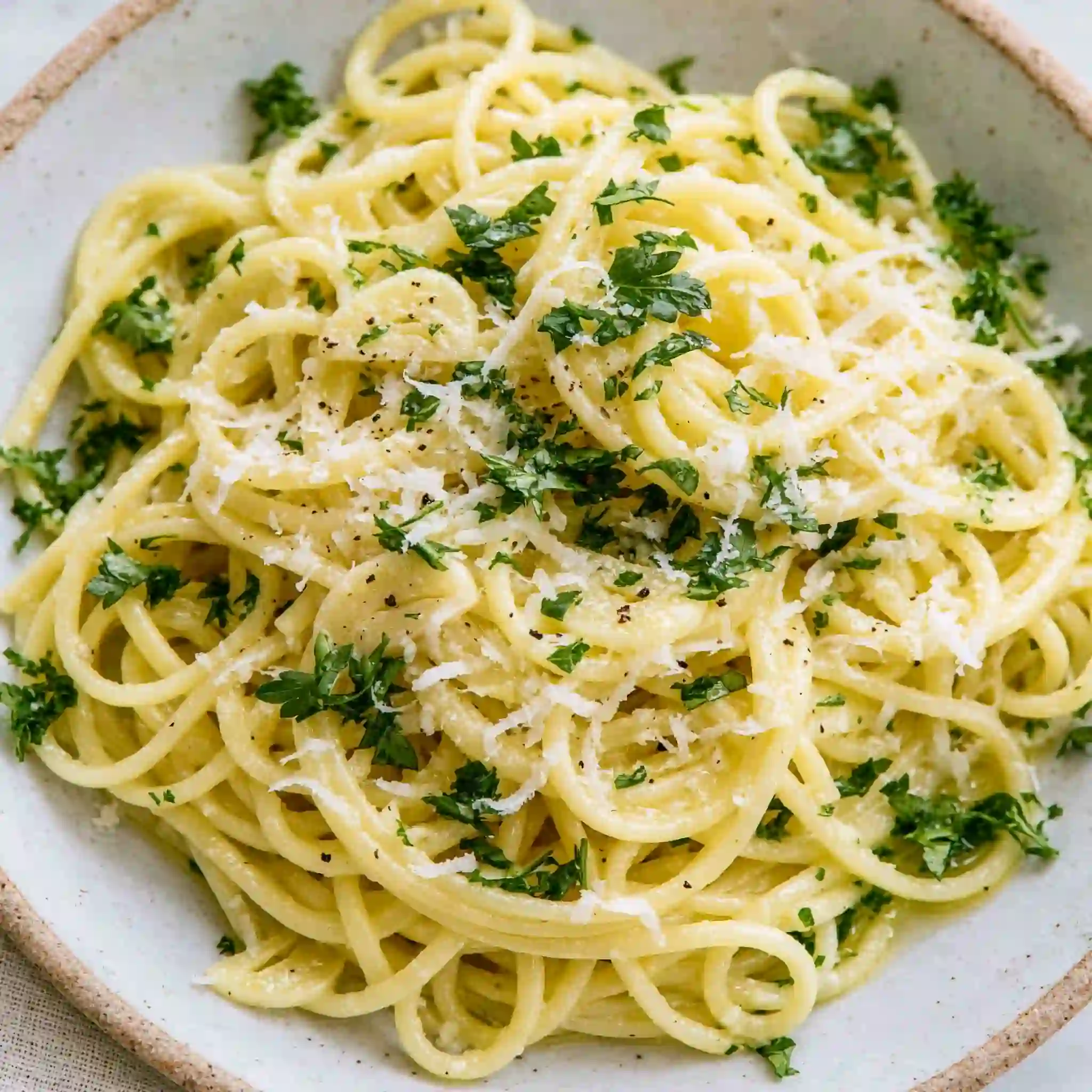

Garlic Butter Pasta
Ingredients
Method
- In a medium-sized saucepot, boil water and salt it. Add your pasta, and cook according to the package instructions. When the pasta is cooked, reserve 1 cup of the pasta water and drain the pasta.
- In a skillet, melt 2 tablespoons of butter over medium heat and saute the sliced garlic very lightly.
- Add the hot pasta along with a part of the pasta water, and toss it using kitchen tongs until a sort of thick sauce is coating the pasta. Add the remaining butter and keep on tossing until it melts, and add more pasta water if needed.
- Remove from heat, and add freshly grated parmesan cheese and chopped parsley leaves. Toss continuously and season with salt if needed. Serve warm with extra grated parmesan cheese and enjoy!
Notes
- The recommended portion of pasta per person is 2-3oz (60-85 grams).
- Salt the water to cook the pasta just like sea water.
- You might not need to use all of the reserved pasta water, see how much you need to make the sauce as you make it.
- Fridge: Store in the fridge in a sealed container for up to 3 days.
- Reheat: Reheat the pasta in a skillet over low-medium heat, and add a splash of water to thin out the sauce. Do the same if using the microwave.
- Freezer: I don’t recommend freezing this pasta, as I found that it breaks when frozen and reheated.
Calories: 365kcal | Carbohydrates: 44g | Protein: 12g | Fat: 15g | Saturated Fat: 9g | Cholesterol: 39mg | Sodium: 887mg | Potassium: 168mg | Fiber: 2g | Sugar: 2g | Vitamin A: 763IU | Vitamin C: 6mg | Calcium: 173mg | Iron: 1mg