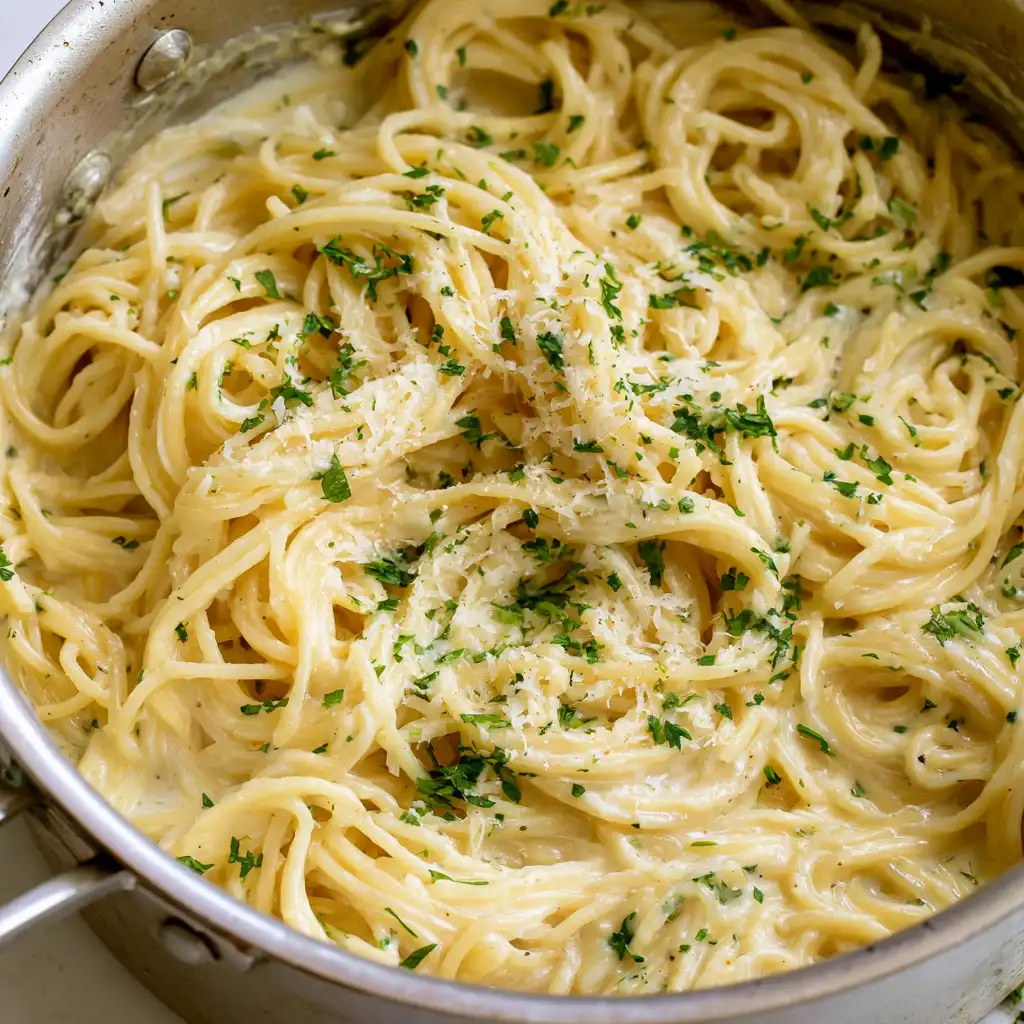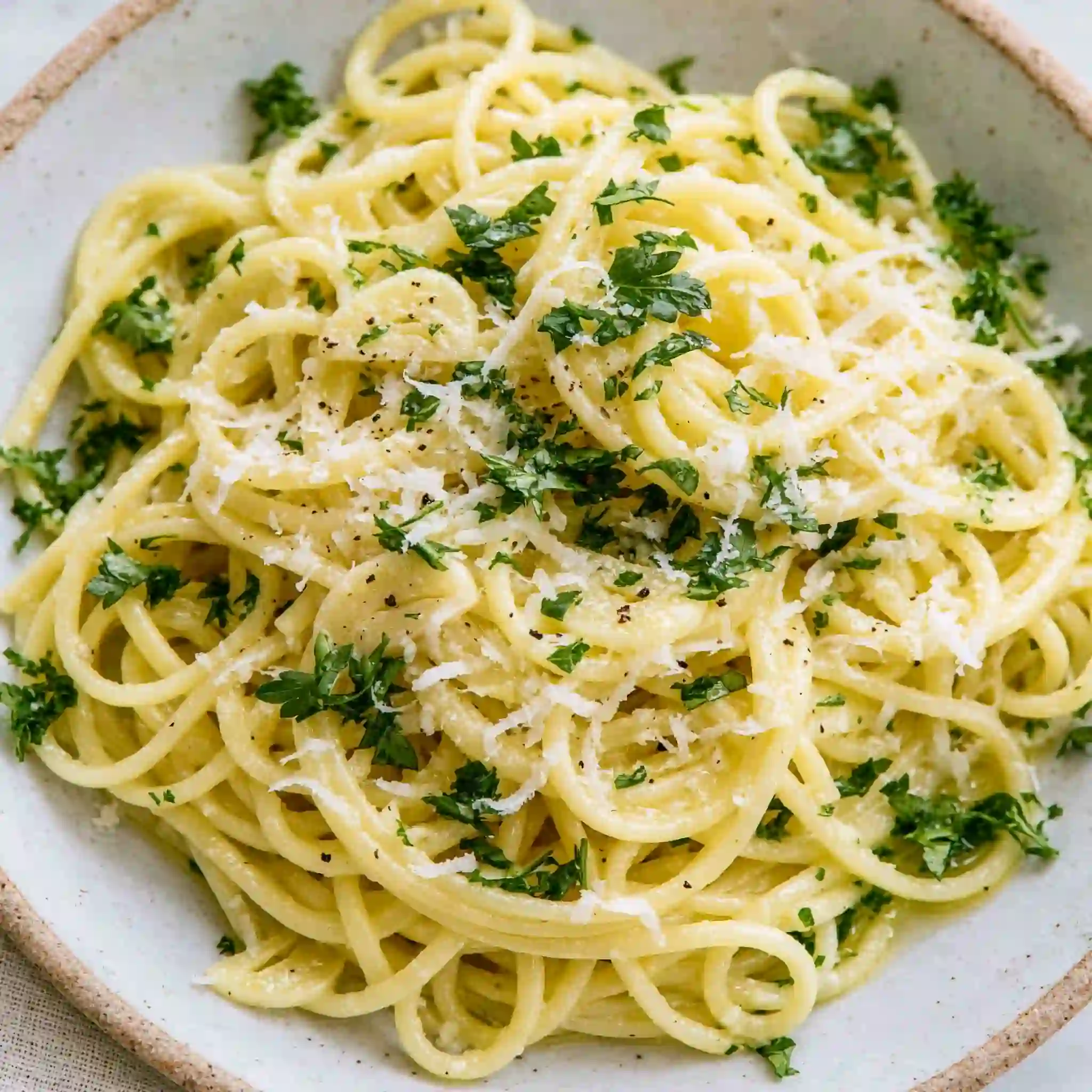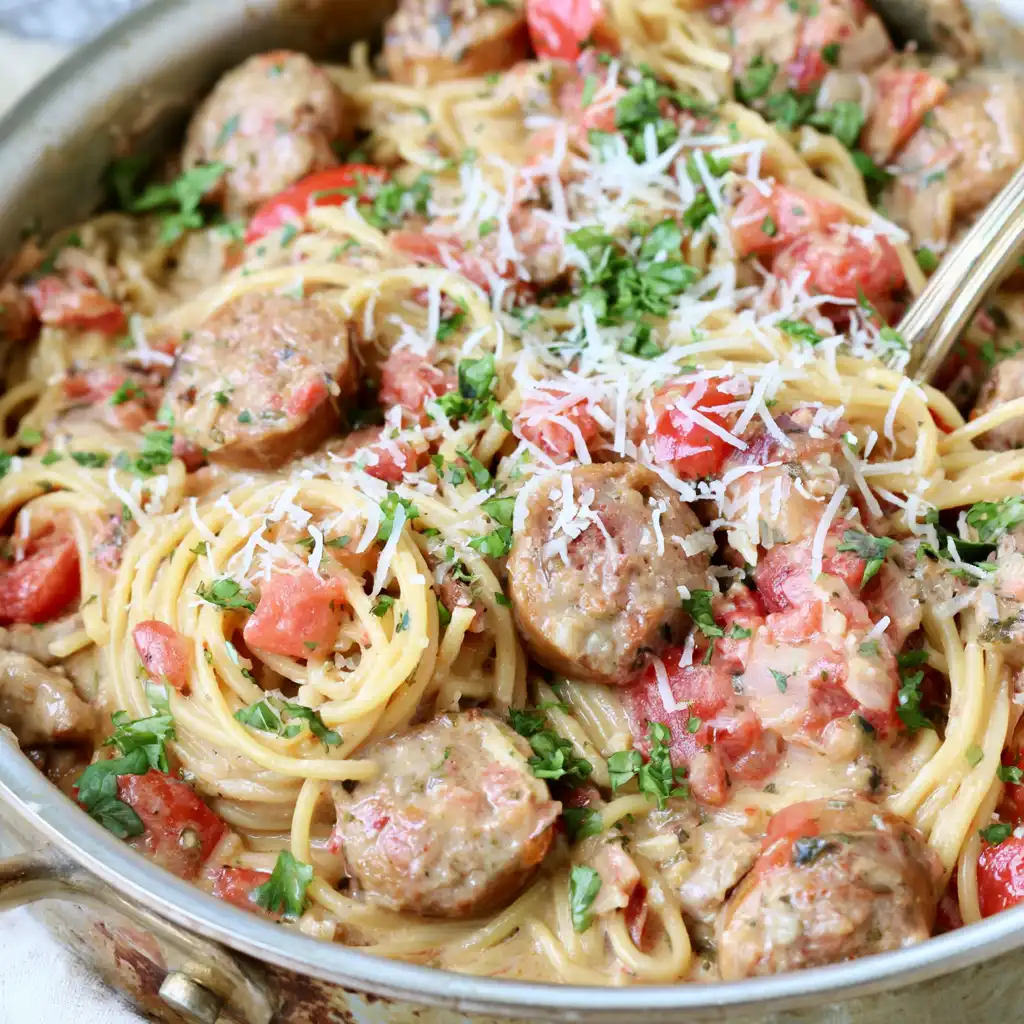
There’s something deeply satisfying about a weeknight dinner that comes together quickly but still feels indulgent. This creamy prawn pasta is one of those recipes I turn to when I want comfort without the fuss. The sauce clings to every strand of linguine, and the prawns stay tender and sweet. It’s forgiving, straightforward, and ready in the time it takes to boil water and sauté a pan.
Ingredients and What They Do
This recipe serves about four people comfortably. The backbone is 300 g of linguine, which holds the sauce well without getting lost in it. I use a mix of olive oil and butter—about 1 tablespoon of oil and 30 g of butter, cubed. The oil keeps the butter from burning, and the butter gives the sauce a rounded, velvety finish.
For the prawns, I go with 500 g of raw medium or large prawns, shelled and deveined. If you can, buy them in their shells and peel them yourself; they tend to have a better, meatier texture than pre-shelled supermarket prawns. You’ll need roughly 1.2 kg in-shell to end up with 500 g peeled.
The aromatics are simple: 2 cloves of garlic, minced, plus ½ teaspoon of freshly cracked black pepper and an optional ¼ teaspoon of dried chilli flakes if you like a gentle warmth. The sauce itself is 1 cup of thickened cream (heavy cream), enriched with 2 tablespoons of finely grated parmesan cheese—yes, parmesan with prawns is absolutely a thing, even in Italy. It adds a savoury depth that pairs beautifully with the sweetness of the prawns. Finally, 1 tablespoon of finely chopped parsley brings a fresh, green note at the end.
You’ll need a large saucepan for the pasta and a sauté pan or deep skillet for the prawns and sauce.
How I Make It
I start by bringing a large pot of water to a rolling boil and salting it generously—about 1 tablespoon of salt per 3 litres of water and 500 g of pasta. The pasta doesn’t soak up all that salt, and it seasons the pasta from the inside out. I drop in the linguine and cook it according to the packet instructions, aiming for just al dente.
While the pasta cooks, I set a jug under a strainer in the sink. When the pasta is done, I pour it into the strainer so the jug catches some of that starchy pasta water. I set both the pasta and the water aside. That pasta water is a quiet hero here; the starch in it thickens and silkifies the sauce, and it also helps loosen the sauce if it tightens up as it cools.
Next, I heat the olive oil and butter in a large frying pan over medium-high heat. Once the butter melts and starts to foam slightly, I add the prawns in a single layer. I cook them for about 1–2 minutes per side, just until they turn opaque and feel firm but still springy to the touch. Overcooked prawns turn rubbery, so I pull them off the heat as soon as they’re done and set them aside on a plate.
I turn the heat down to medium and add the minced garlic, black pepper, and chilli flakes (if using) to the same pan. I let them sizzle for about a minute, just until the garlic smells fragrant and lightly golden. I’m careful not to let it brown too much, or it can turn bitter.
Then I pour in the cream and about ⅓ cup of the reserved pasta water. I stir everything together and let it come to a gentle simmer. As it bubbles, the sauce thickens slightly. I stir in the parmesan and let it melt into the cream, which gives the sauce a richer, more cohesive texture.
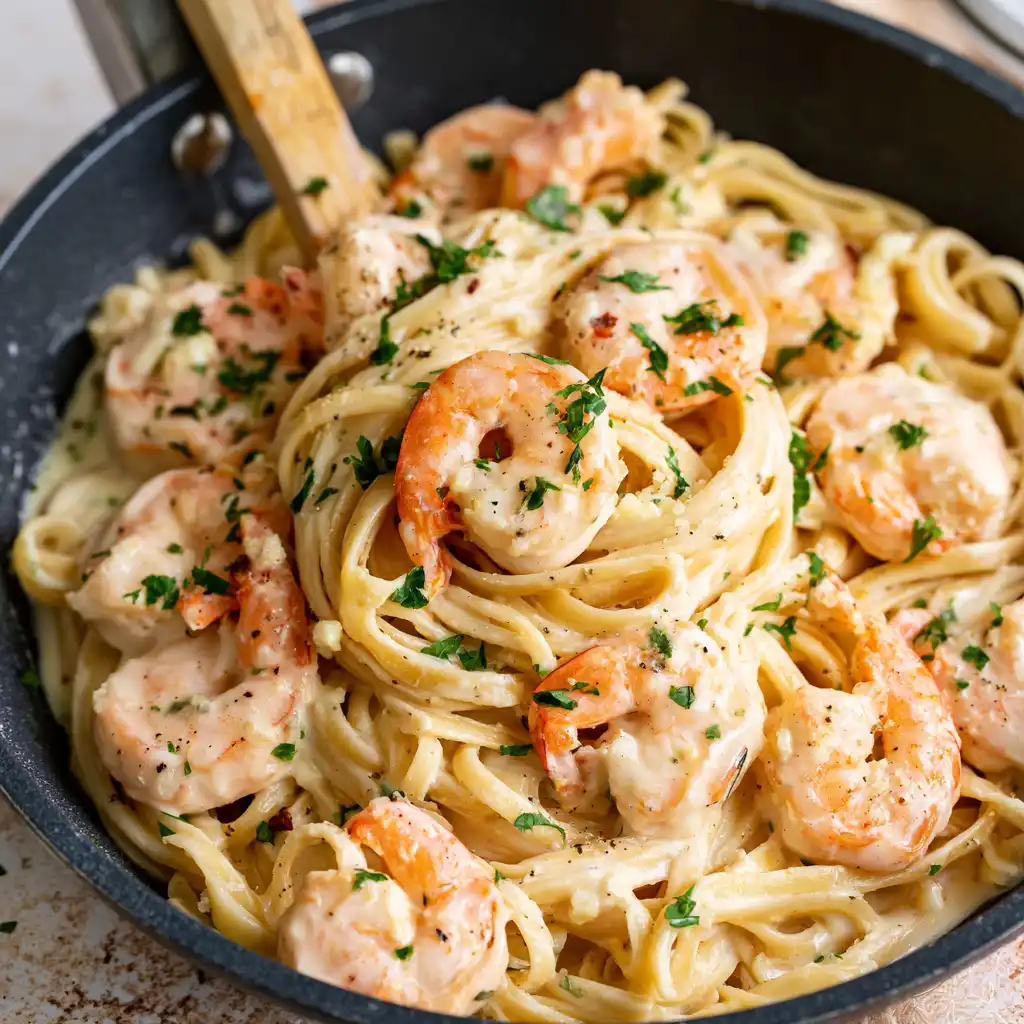
Finally, I add the cooked linguine, the prawns, and the chopped parsley to the pan. I toss everything together until the pasta is fully coated and the prawns are warmed through. If the sauce looks too thick or clumpy, I add a splash more pasta water, a little at a time, until it flows smoothly around the pasta. The sauce will continue to thicken as it sits, so I keep a bit of pasta water nearby to loosen it up again when serving.
Simple Adjustments and Serving Ideas
If you don’t have chilli flakes, you can skip them or add a bit more black pepper for warmth. For a lighter version, you can use half cream and half milk, though the sauce won’t be quite as lush. If you want to stretch it further, a handful of baby spinach stirred in at the end wilts nicely and adds colour.
I like to serve this with a simple green salad on the side, something with a sharp vinaigrette to cut through the richness. Crusty bread is also welcome for mopping up any leftover sauce. Sometimes I add a squeeze of lemon over the top just before eating; the acidity brightens the cream and prawns without overpowering them.
Storing and Reheating
Leftovers keep well in the fridge for up to two days. When reheating, I do it gently in a pan over low heat, adding a splash of water or cream to loosen the sauce again. Microwaving can work, but it tends to tighten the sauce, so I stir in a little liquid halfway through.
This dish doesn’t freeze beautifully because the cream can separate when thawed, so I prefer to make it fresh when I can.
A Few Notes That Help
- Tablespoons: I use a standard Australian 20 ml tablespoon (equal to 4 teaspoons). If your spoons differ, it’s worth checking before measuring.
- Prawn texture: Freezing raw prawns out of their shells can damage the cell structure, leading to a crunchier, less meaty texture. Keeping them in their shells until you’re ready to cook helps preserve that tender bite.
- Pasta water: Heavily seasoning your pasta water (about 1 tablespoon per 3 litres) ensures the pasta itself is seasoned well. The starch also helps emulsify the sauce, giving it that glossy, restaurant-style cling without any fuss.
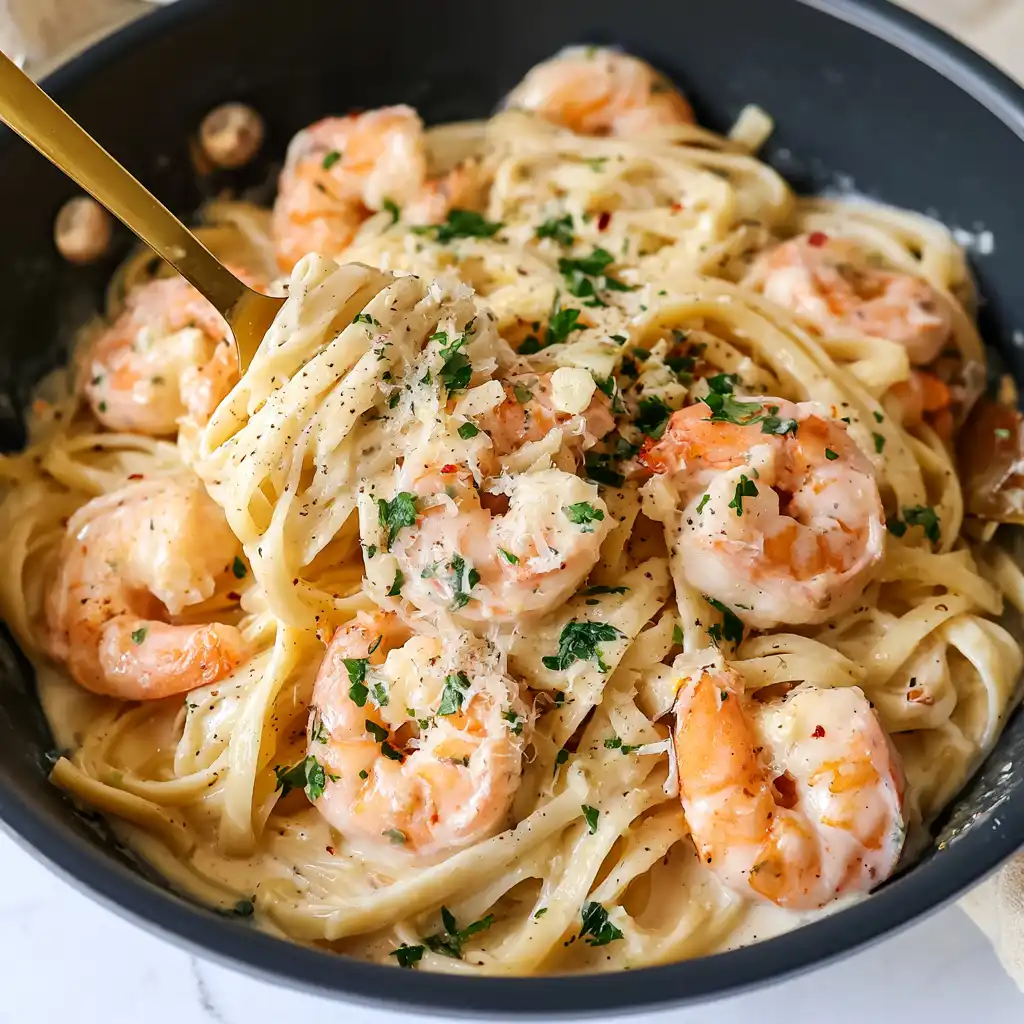
This is the kind of recipe I make when I want something that feels special but doesn’t demand much of me. The prawns cook in minutes, the sauce comes together in the same pan, and the result is a bowl of creamy, savoury comfort that hits every note I’m after.

Creamy Prawn Pasta
Ingredients
Equipment
Method
- Bring a large pot of water to a boil and salt generously. Add the pasta and cook according to packet instructions or until just al dente.
- Place a jug under a strainer in your sink and pour the pasta into the strainer so that the jug collects some of the pasta water. Set both aside.
- Meanwhile, add the olive oil and butter to a large frying pan over medium-high heat. Let the butter melt, then add the prawns and cook for 1-2 minutes each side until opaque and just cooked through. Set aside.
- Reduce the heat to medium. Add the garlic, pepper and chilli flakes to the pan and cook for 1 minute.
- Add the cream and ⅓ cup of the pasta water to the pan, stir and let it come to a simmer. See notes below about pasta water.
- Add the parmesan and give it a good stir to melt in.
- Finally, add the cooked pasta, cooked prawns and parsley. Stir well to coat with the sauce and make sure it’s all hot through.
- Add more pasta water if required to loosen it if required. The sauce will thicken as it starts to cool, so keep some pasta water on hand if you need to loosen it up when serving.
- Please take a moment to leave a comment & rating. It’s appreciated and so helpful.
Notes
- Tablespoons: I use a standard Australian 20ml tablespoon (equal to 4 teaspoons). Check yours before measuring.
- Prawn weight: 500g is the weight of the already peeled prawns. I like to use prawns with the shells on and shell them myself as they have a far better texture than the pre-shelled variety from the local supermarket. In this case, purchase about 1.2kg of prawns in their shells so you have enough.
- Why buy prawns in shells? Freezing raw prawns (as most of them are) out of their shells, tends to ruin the cell structure and instead of being rewarded with a meaty texture, you get a crunchy texture once cooked. If frozen in their shells, this problem is averted.
- Chilli flakes: You can replace the chilli flakes with more pepper or simply leave them out.
- Parmesan with prawns, even in Italy, is a thing. Don’t let anyone tell you otherwise. The same way prawns go beautifully with umami laden meats like chorizo and bacon, then go beautifully with umami laden parmesan.
- Pasta water is a magical ingredient. The starch in it from the pasta adds thickness and silkiness to your pasta sauces. It’s also great for loosening your sauce and, if you’ve seasoned it properly, it adds seasoning to your sauces too.
- How to season pasta water: Pasta water should be heavily seasoned – about 1 tablespoon per 3 litres/quarts and 500g (~1lb) of pasta. The pasta doesn’t absorb all the salt, don’t worry.
- Nutrition details are approximate only – scroll below the recipe to find the full nutritional information.