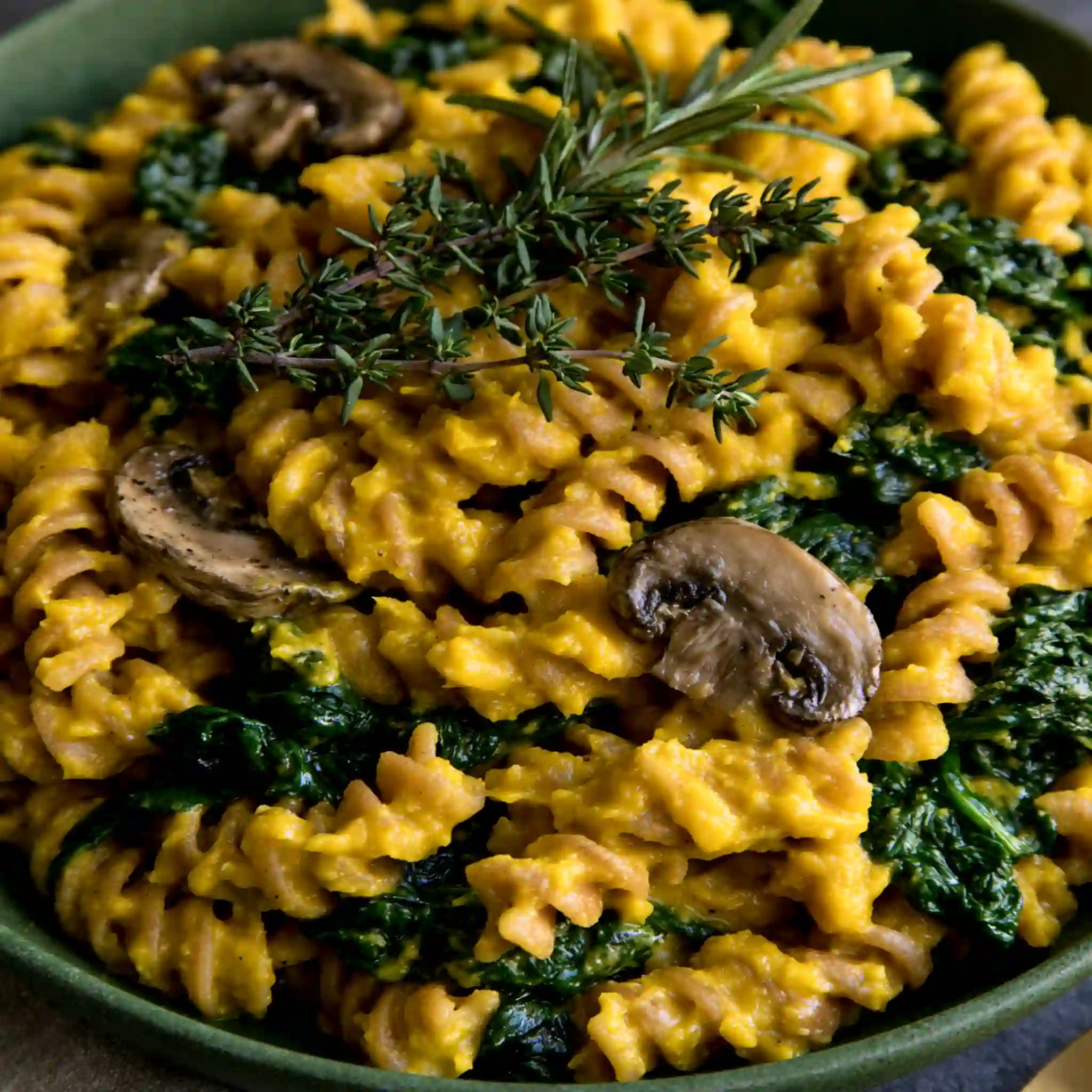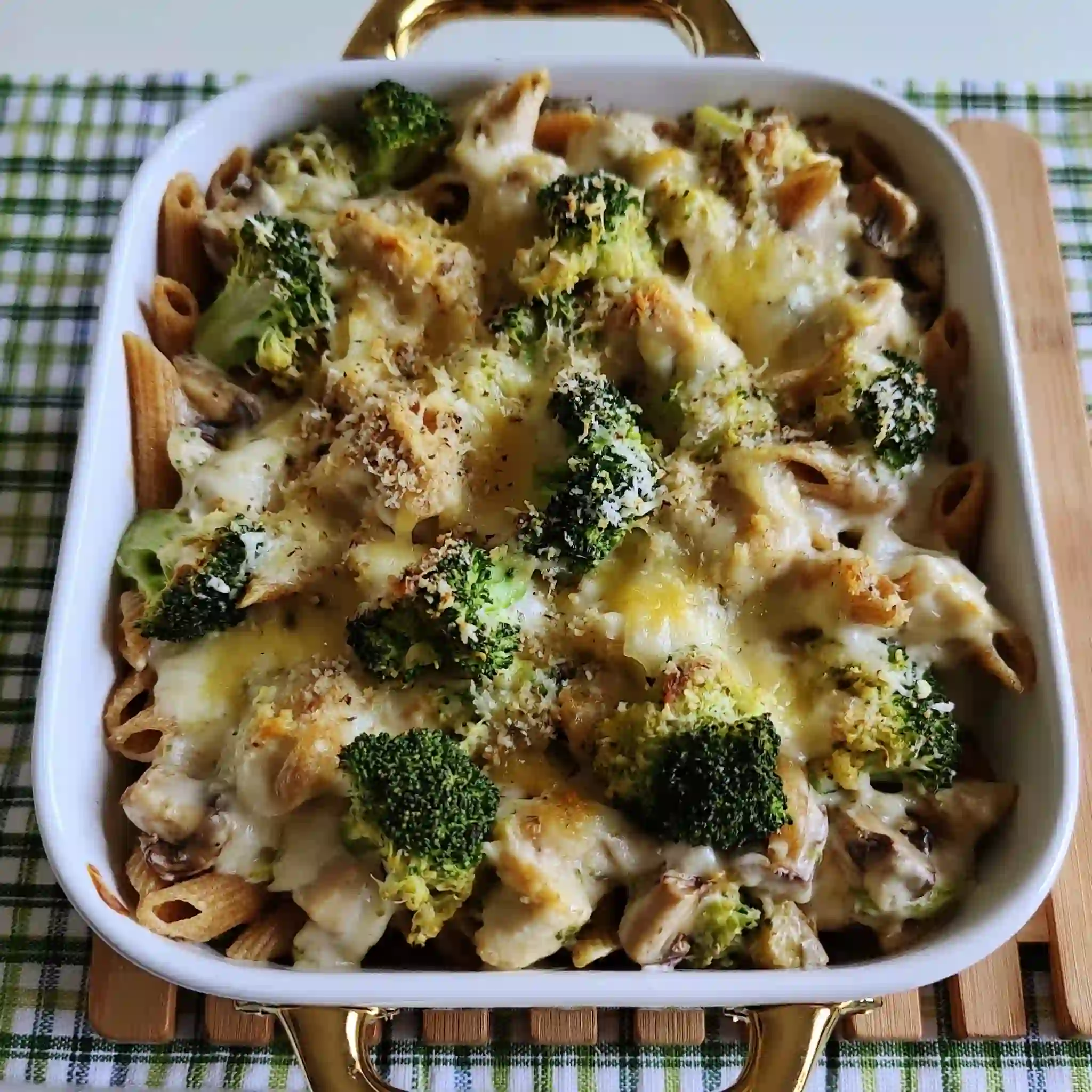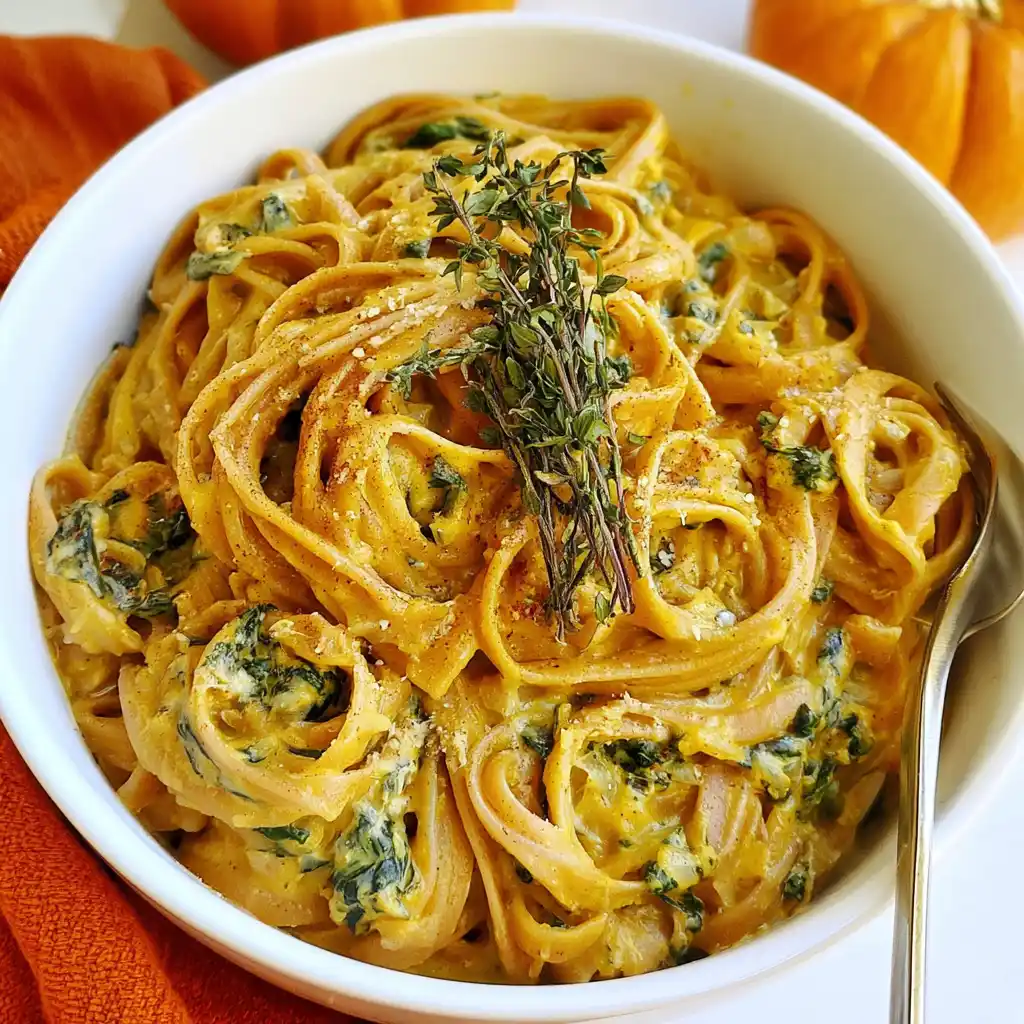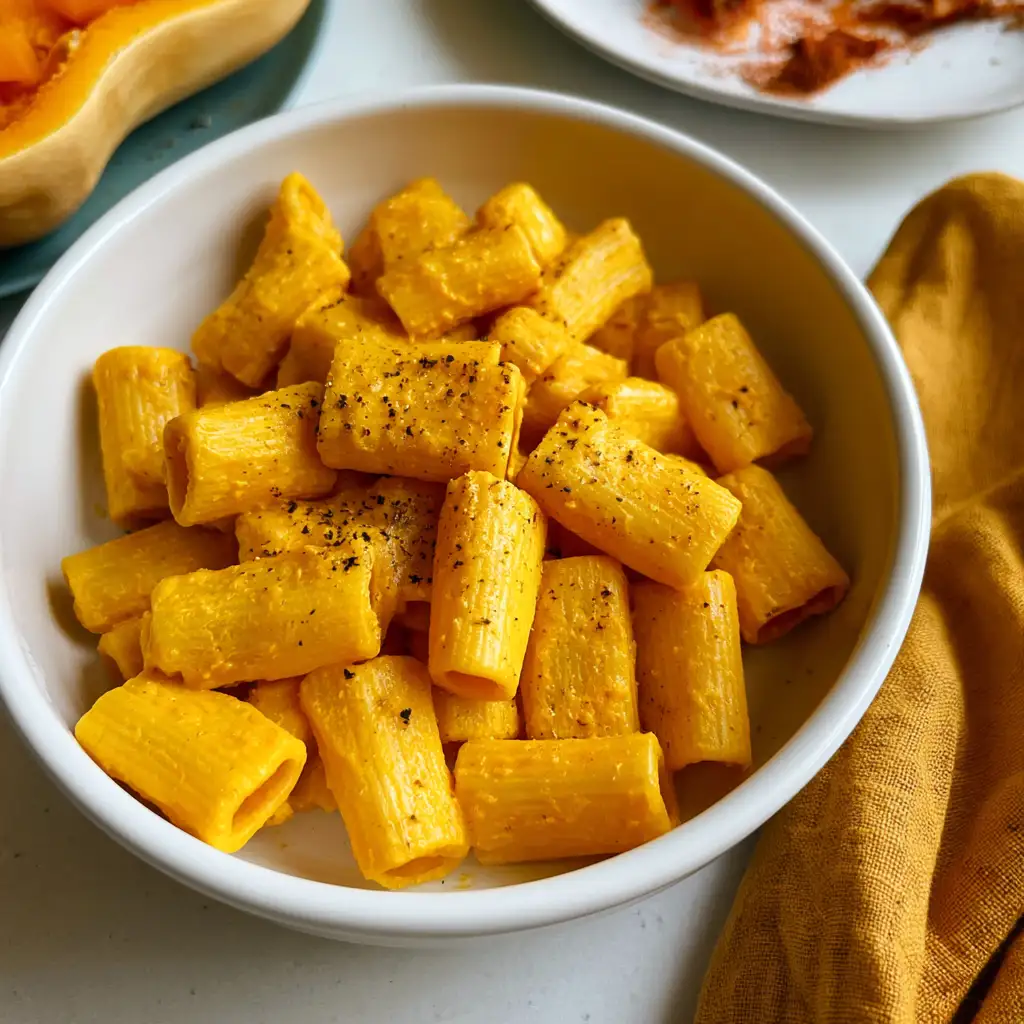
Some nights call for something warm and steady, the kind of meal that comes together quickly but still feels like you put real care into it. This vegan pumpkin pasta is one of those recipes I come back to when I want comfort without a lot of effort. It leans on a short list of ingredients, but each one pulls its weight.
I like this best on evenings when I don’t want to think too hard. The sauce builds in one pan, the pasta cooks alongside, and everything meets at the end in a way that feels balanced and complete.
Why this recipe works
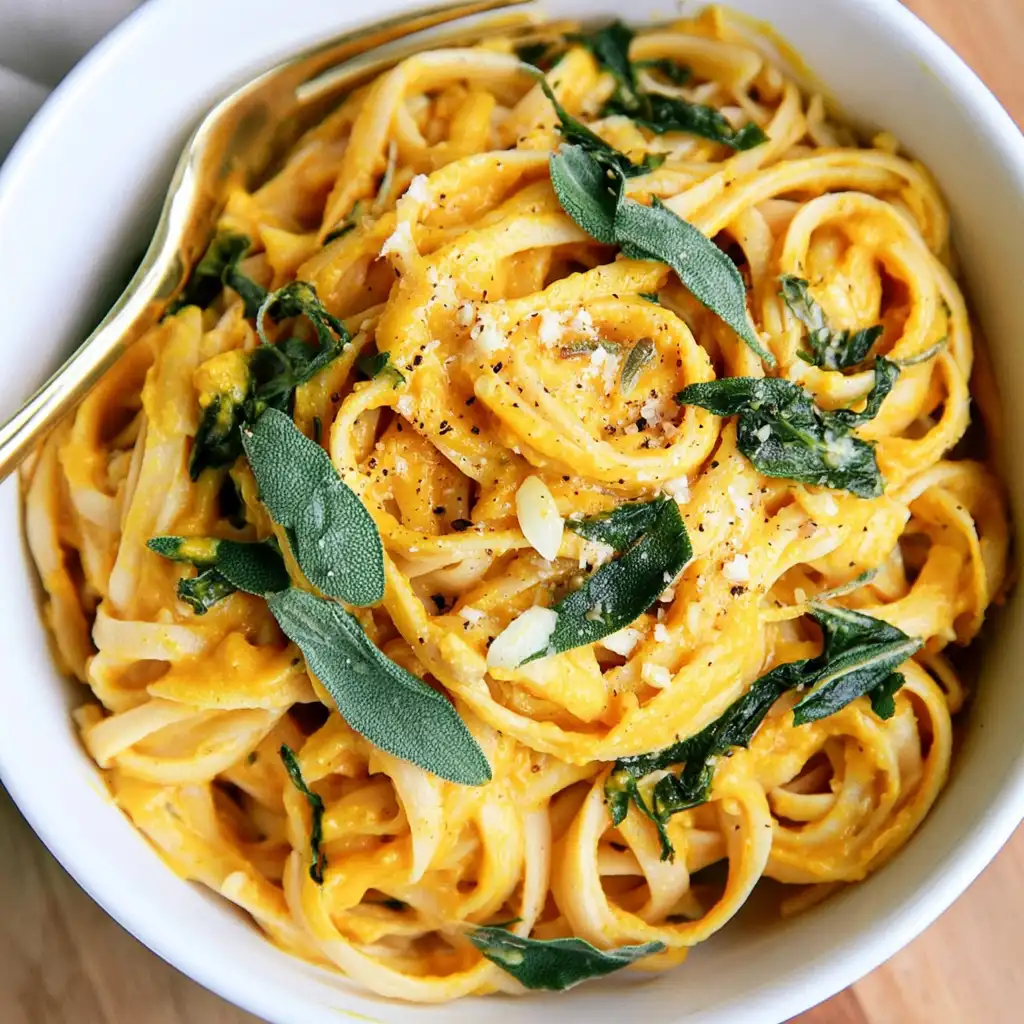
The strength of this dish comes from contrast. Pumpkin puree is naturally smooth and slightly sweet, so it needs something to keep it from feeling flat. Garlic gives it depth, and the sage brings a subtle, savory edge that cuts through the richness.
Coconut cream ties it all together. It adds body without making the sauce heavy in a dairy kind of way. When it simmers with the pumpkin, the texture becomes silky but still light enough to coat pasta without clumping.
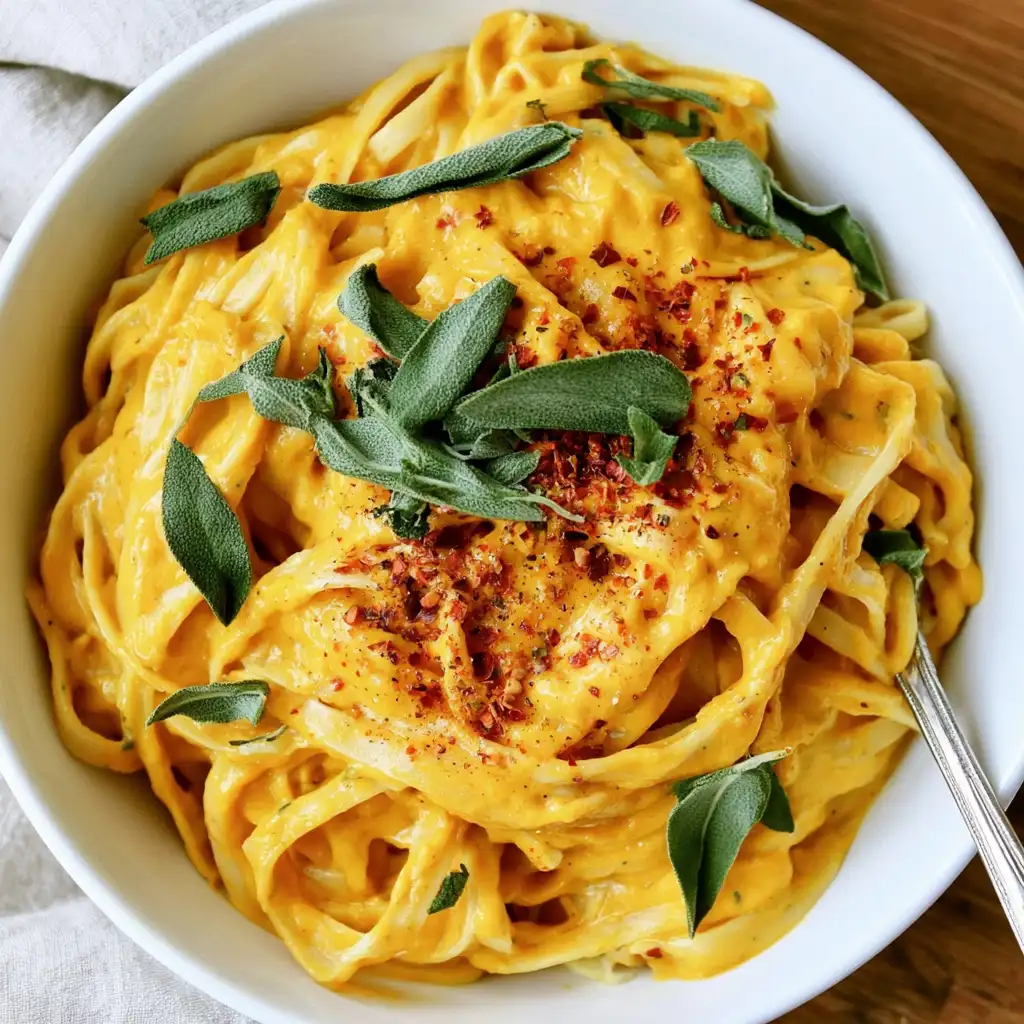
The fried sage leaves aren’t just a garnish. They add a crisp bite and a deeper, almost nutty flavor that changes the whole dish.
Ingredients that matter
This is a short ingredient list, so small choices make a difference.
- 1 cup pumpkin puree
- 1/2 cup coconut cream or milk
- 5 cloves garlic, minced
- 25 sage leaves
- 1 tablespoon olive oil
- 6 oz gluten free linguine
- vegetable broth (optional)
Pumpkin puree should be plain, not spiced or sweetened. That keeps the flavor flexible and savory.
Coconut cream will give you a thicker, richer sauce, while coconut milk keeps things lighter. Both work, but I reach for coconut cream when I want a more substantial texture.
Fresh sage is important here. Dried sage won’t give you the same result, especially since part of the recipe relies on frying the leaves.
How to make vegan pumpkin pasta
Start by cooking the pasta according to the package directions. I usually salt the water lightly so the noodles have some flavor on their own. Once it’s done, drain and set aside.
While the pasta cooks, heat the olive oil in a pan over medium heat. Add the sage leaves in a single layer. They should sizzle gently, not aggressively. Let them cook just until they become fragrant and slightly darker. This happens quickly, so stay close.
Remove the sage leaves and place them on paper towels to drain. They’ll crisp up a bit as they cool.
In the same pan, keep the heat at medium and add the minced garlic. Stir it constantly and cook for about one minute, just until it smells fragrant. If the garlic starts to brown too much, it can turn bitter, so don’t let it sit untouched.
Add the pumpkin puree directly into the pan with the garlic. Stir to combine so the garlic is evenly distributed through the pumpkin.
Pour in the coconut cream and mix again. The sauce will loosen and become smooth. Bring it to a gentle boil, then reduce the heat and let it simmer for a few minutes. Stir occasionally so it doesn’t stick.
If the sauce feels too thick, add a small amount of vegetable broth. Do this gradually. A little goes a long way, and you want the sauce to cling to the pasta, not run off it.
Add the cooked pasta to the pan and toss everything together until the noodles are well coated. Take your time here so the sauce gets into all the strands.
Serve the pasta topped with the fried sage leaves.
What to look for as it cooks
The sauce should move slowly when you stir it, not sit stiff in the pan. If it looks pasty, it needs a splash of broth. If it looks watery, let it simmer a bit longer to tighten up.
When the garlic is ready, it should smell warm and mellow, not sharp. That’s your cue to move on to the next step.
The sage leaves will tell you when they’re done. They darken slightly and become crisp at the edges. If they turn deep brown, they’ve gone too far and will taste bitter.
Common mistakes and how to fix them
One of the most common issues is a sauce that feels too thick. This usually happens if the pumpkin cooks down too much or if coconut cream is used without adjusting the consistency. Adding vegetable broth a little at a time fixes this quickly.
Another issue is bland flavor. Pumpkin is mild, so it depends on the garlic and sage to carry the dish. Make sure the garlic is properly cooked and the sage is fragrant before removing it from the oil.
Overcooking the pasta can also throw things off. Gluten free linguine can go from firm to soft quickly, so check it a minute before the suggested time.
Substitutions and adjustments
You can swap coconut cream for coconut milk if you want a lighter sauce. The flavor stays similar, but the texture will be thinner.
If you don’t have gluten free linguine, any pasta shape works here. Long noodles hold the sauce well, but short pasta can make the dish easier to serve.
Vegetable broth is optional, but useful. It helps adjust the sauce without diluting flavor too much. Water can work in a pinch, but broth adds more depth.
Serving ideas
This pasta stands well on its own, but a few simple additions can round it out.
- A side of roasted vegetables like broccoli or carrots adds texture and balance.
- A small green salad with a sharp vinaigrette cuts through the richness.
- Toasted bread works well if you want something to scoop up extra sauce.
Storage and reheating
Leftovers keep well in the fridge for a couple of days. The sauce will thicken as it sits, which is normal.
To reheat, add a splash of vegetable broth or water before warming it in a pan. Stir gently over medium heat until it loosens back into a sauce.
Microwaving works too, but pause and stir halfway through so it heats evenly.
Freezer notes
This dish is best fresh, but you can freeze the sauce on its own. Let it cool completely, then store it in an airtight container.
When ready to use, thaw in the fridge and reheat slowly, adding a bit of liquid if needed. Cook fresh pasta to go with it for the best texture.
FAQ
Can I use canned pumpkin for this?
Yes, as long as it’s plain pumpkin puree and not pumpkin pie filling.
What if I don’t have fresh sage?
The dish will still work, but it will lose a key layer of flavor. If possible, try to find fresh sage for this recipe.
How do I keep the sauce from tasting too sweet?
Make sure the garlic is well cooked and the sage is properly fried. Those savory elements balance the natural sweetness of the pumpkin.
Can I make this ahead of time?
You can make the sauce ahead and store it in the fridge. Cook the pasta fresh and combine just before serving for the best texture.
This is the kind of meal that doesn’t ask much from you but still delivers something steady and satisfying. Once you’ve made it once, it’s easy to remember and even easier to repeat.

Ingredients
Method
- Cook pasta according to package directions.
- Heat oil in a pan over medium heat and lightly pan fry the sage leaves until aromatic and just starting to get darker. Remove sage leaves and drain on paper towels.
- To the same oil add the minced garlic and cook until fragrant, 1 minute.
- Add pumpkin puree and mix with the garlic.
- Add coconut cream and mix. Bring to a boil, reduce heat and simmer for a few minutes, stirring occasionally. If sauce is too thick add a bit of vegetable broth to thin it out a bit (optional)
- Add pasta to the pan and mix. Serve topped with sage leaves.
Notes
Calories 632Calories from Fat 261
% Daily Value*
Fat 29g45%
Saturated Fat 19g119%
Sodium 15mg1%
Potassium 667mg19%
Carbohydrates 80g27%
Fiber 8g33%
Sugar 6g7%
Protein 15g30%
Vitamin A 19140IU383%
Vitamin C 9.2mg11%
Calcium 91mg9%
Iron 4.7mg26%
* Percent Daily Values are based on a 2000 calorie diet.