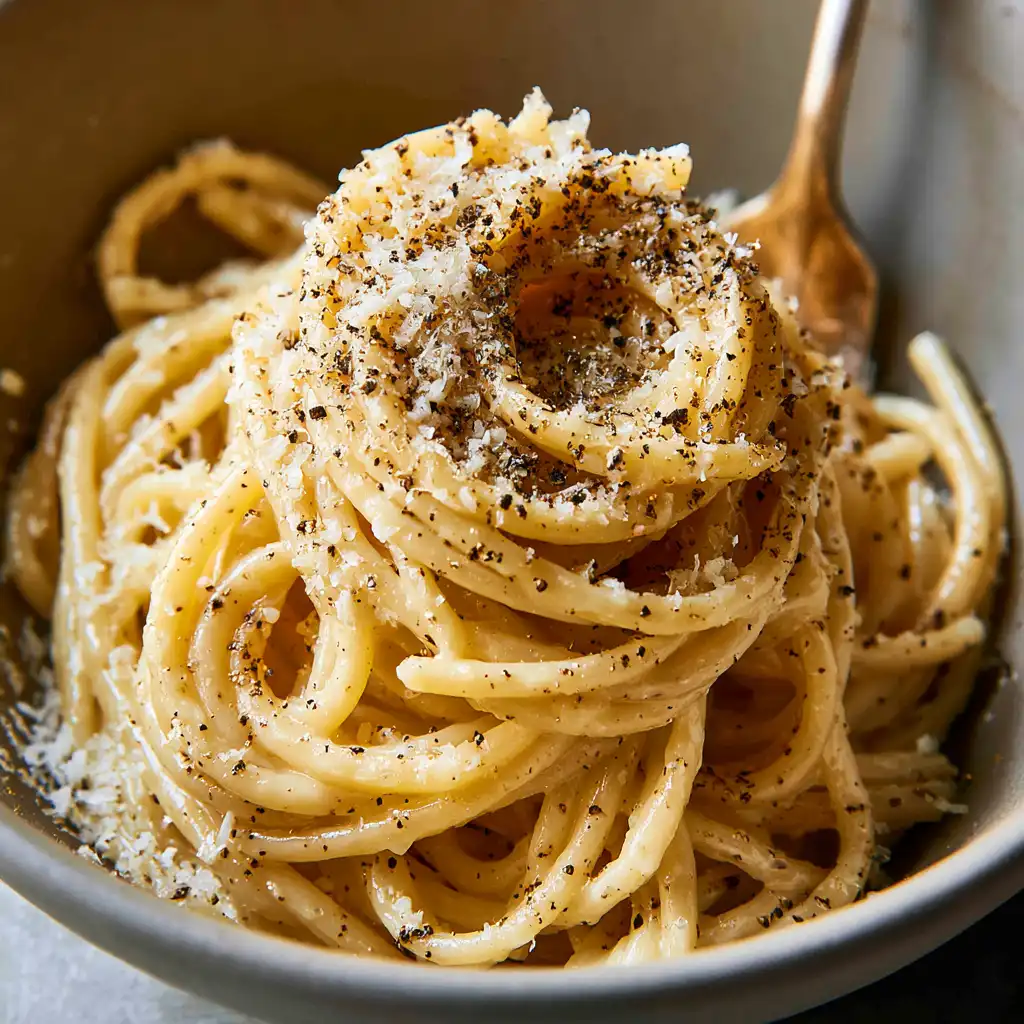
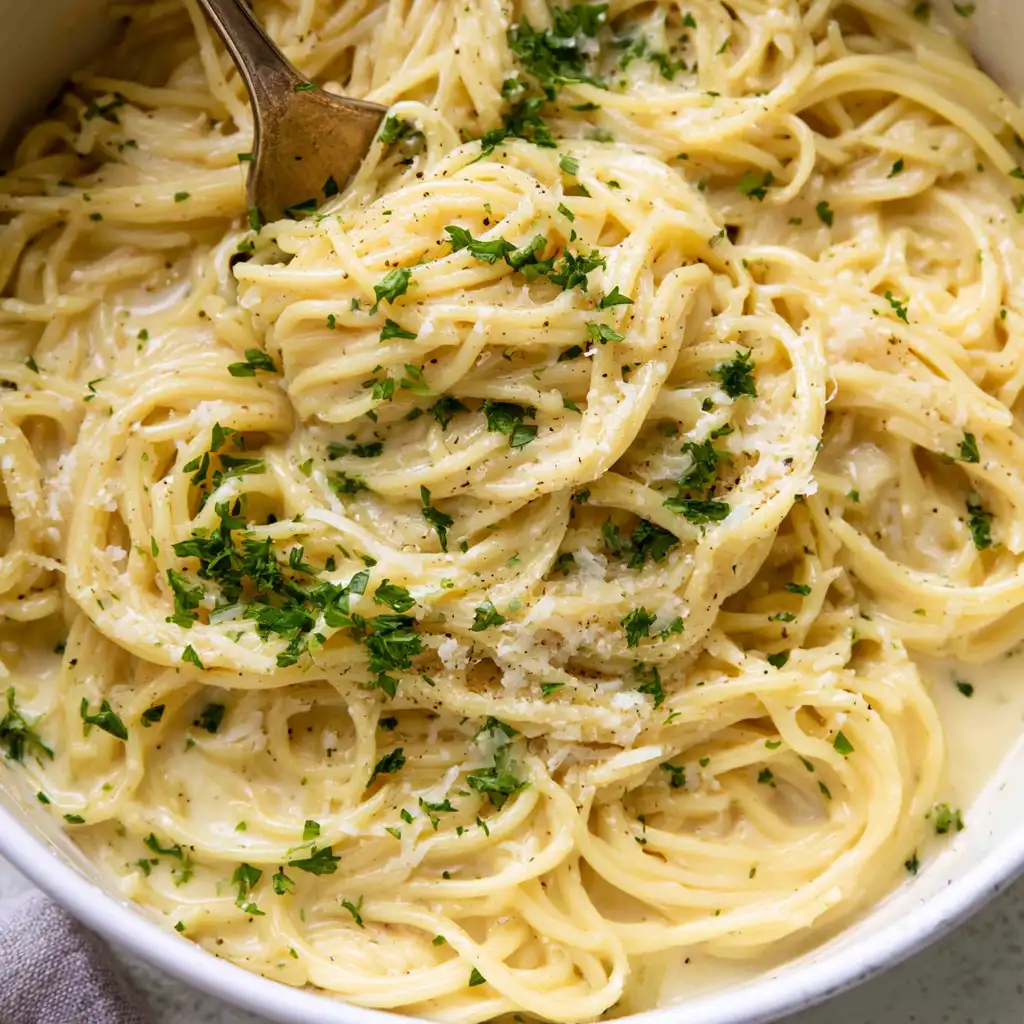
Some nights call for a pasta that comes together fast but still feels complete. Garlic Parmesan pasta fits right into that space. It cooks in one pan, builds its own sauce as the noodles soften, and lands somewhere between creamy and light without needing anything complicated.
I make this when I want something warm and reliable without juggling multiple pots. The key is timing and heat control, especially once the cheese goes in.
Why this recipe works
This method cooks the pasta directly in a mix of chicken broth and milk, which means the starch from the noodles thickens the sauce as it cooks. You don’t drain anything, so all that flavor stays right in the pan.
Butter and garlic create the base, and Parmesan brings everything together at the end. The sauce may look thin at first, but it settles and thickens as it stands and as the pasta absorbs more liquid.
Angel hair pasta is used here because it cooks quickly and softens directly in the sauce without needing much time. That speed is helpful, but it also means you need to pay attention to avoid overcooking.
Ingredients
- ½ cup Parmesan cheese, finely grated
- 3 tablespoons butter, divided
- 4 cloves fresh garlic, minced
- 2 cups chicken broth
- 1 cup milk
- 8 oz. angel hair pasta
- Fresh parsley, for garnish
Optional seasonings:
- ¼ teaspoon onion powder
- ¼ teaspoon oregano
- ¼ teaspoon thyme
- ¼ teaspoon parsley
- ¼ teaspoon pepper
Step-by-step method
Start by grating the Parmesan cheese and setting it aside. Letting it come to room temperature helps it melt more smoothly later.
In a large skillet, melt 2 tablespoons of butter over medium heat. Once melted, add the minced garlic and cook for 1 to 2 minutes, stirring occasionally. You’re looking for the garlic to soften and become fragrant, not brown.
Pour in the chicken broth. If you’re using the optional seasonings, add them now. Slowly add the milk while stirring to keep everything evenly combined. Bring the mixture to a boil. This step matters because the pasta needs that initial heat to cook properly and release starch.
Add the angel hair pasta. At first, it won’t fit neatly into the skillet. Let it sit for a moment as the ends soften, then use tongs to gently twist and guide the strands into the liquid.
Let the pasta cook for 4 to 5 minutes, stirring occasionally so the noodles don’t clump together. Keep an eye on it here. Angel hair cooks quickly, and if it goes too far, it becomes sticky and heavy. Once the pasta is just tender, reduce the heat to low.
Add the remaining 1 tablespoon of butter and toss it through the pasta until it melts. This adds a bit of richness and helps the sauce come together.
Now gradually sprinkle in the Parmesan cheese, stirring continuously as you go. Don’t rush this step. Adding it slowly keeps the sauce smooth. The heat should be low at this point; if the pan is too hot, the cheese can separate and turn grainy.
At first, the sauce will look a little loose. Give it a minute. As it sits, it thickens naturally, and the pasta absorbs more of it.
Finish with fresh parsley and serve right away.
Doneness and texture cues
The pasta should be tender but still hold its shape. If it feels too soft or starts to clump, it’s likely overcooked.
The sauce should lightly coat the noodles rather than pool heavily at the bottom. If it looks too thin, let it sit off the heat for a minute or two. If it becomes too thick, a small splash of milk can loosen it back up.
Ingredient notes that matter
Parmesan is the backbone of this dish, so quality makes a difference. Use a block of cheese and grate it yourself. Pre-grated varieties often don’t melt as smoothly and can leave the sauce slightly grainy.
Milk creates a lighter sauce than half and half. While both work, milk keeps the texture from becoming too thick as the pasta continues to absorb liquid.
Garlic should be cooked gently. If it browns too much, it can add a bitter edge that carries through the whole dish.
Common mistakes and how to avoid them
One of the most common issues is overcooking the pasta. Angel hair moves fast, so setting a timer based on the package instructions helps keep it in check.
Adding cheese while the sauce is too hot is another problem. High heat can cause the dairy to separate, leading to a rough texture instead of a smooth one. Lower the heat before adding it.
Dumping all the cheese in at once can also make it clump. Gradual addition with steady stirring gives a better result.
Substitutions and adjustments
If you only have spaghetti, you can still make this, but it will take longer to soften and cook. You may need to adjust the liquid slightly and extend the cooking time.
Half and half can replace milk if you want a richer result, but the sauce will thicken more as it sits. If you go this route, keep an eye on the consistency and add a splash of broth or milk if needed.
The optional seasoning mix adds depth, but the dish works well even with just garlic, butter, and Parmesan.
Serving ideas
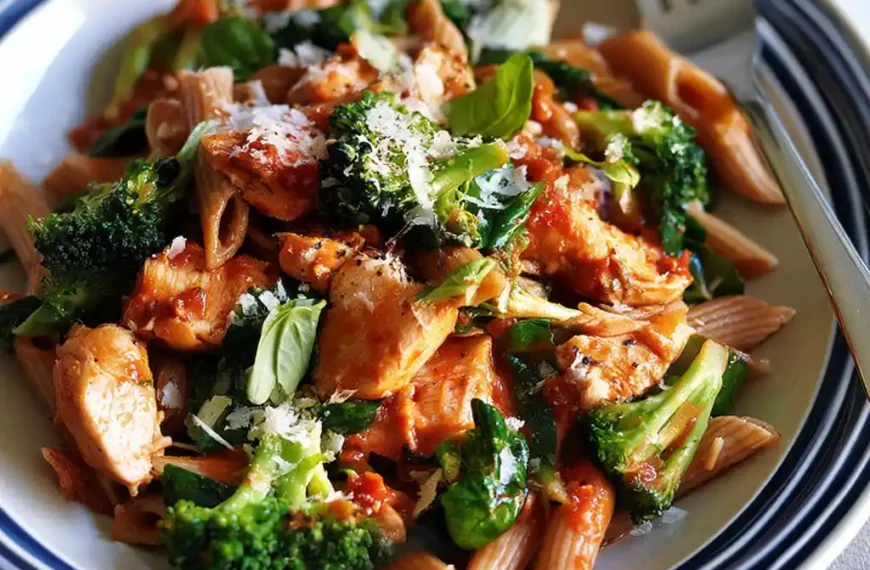
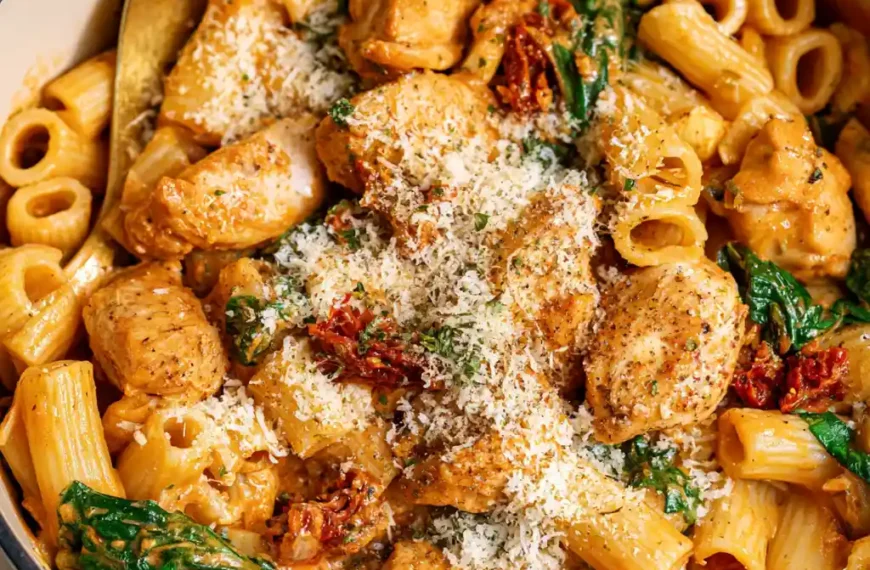
This pasta pairs well with simple proteins like lemon pepper chicken or creamy garlic shrimp.
It also works as a base for something like chicken piccata or chicken florentine.
On the side, garlic bread with cheese or roasted broccoli fits naturally without adding extra work.
Storage and reheating
Store leftovers in an airtight container in the refrigerator for up to 4 days. The pasta will continue to absorb the sauce, so it may thicken as it sits.
To reheat, add a splash of milk or broth and warm it gently on the stove or in the microwave, stirring occasionally to bring the sauce back together.
Freezer notes
Freezing is not ideal for this dish. The dairy-based sauce can separate when thawed, which affects the texture. It’s best made fresh or enjoyed within a few days.
FAQ
Q: Can I use pre-grated Parmesan cheese?
You can, but it won’t melt as smoothly. Freshly grated cheese gives a better texture and flavor.
Q: Why is my sauce grainy?
The heat was likely too high when the cheese was added, or it was added too quickly. Lower heat and gradual mixing help prevent this.
Q: The sauce seems too thin. Did I do something wrong?
No. It thickens as it sits and as the pasta absorbs liquid. Give it a minute before adjusting.
Q: Can I make this ahead of time?
It’s best served fresh, but you can reheat it with a little added liquid to loosen the sauce.
Once you’ve made this a couple of times, it becomes second nature. The steps are quick, but the small details—like heat control and timing—are what turn it into a smooth, balanced garlic Parmesan pasta.
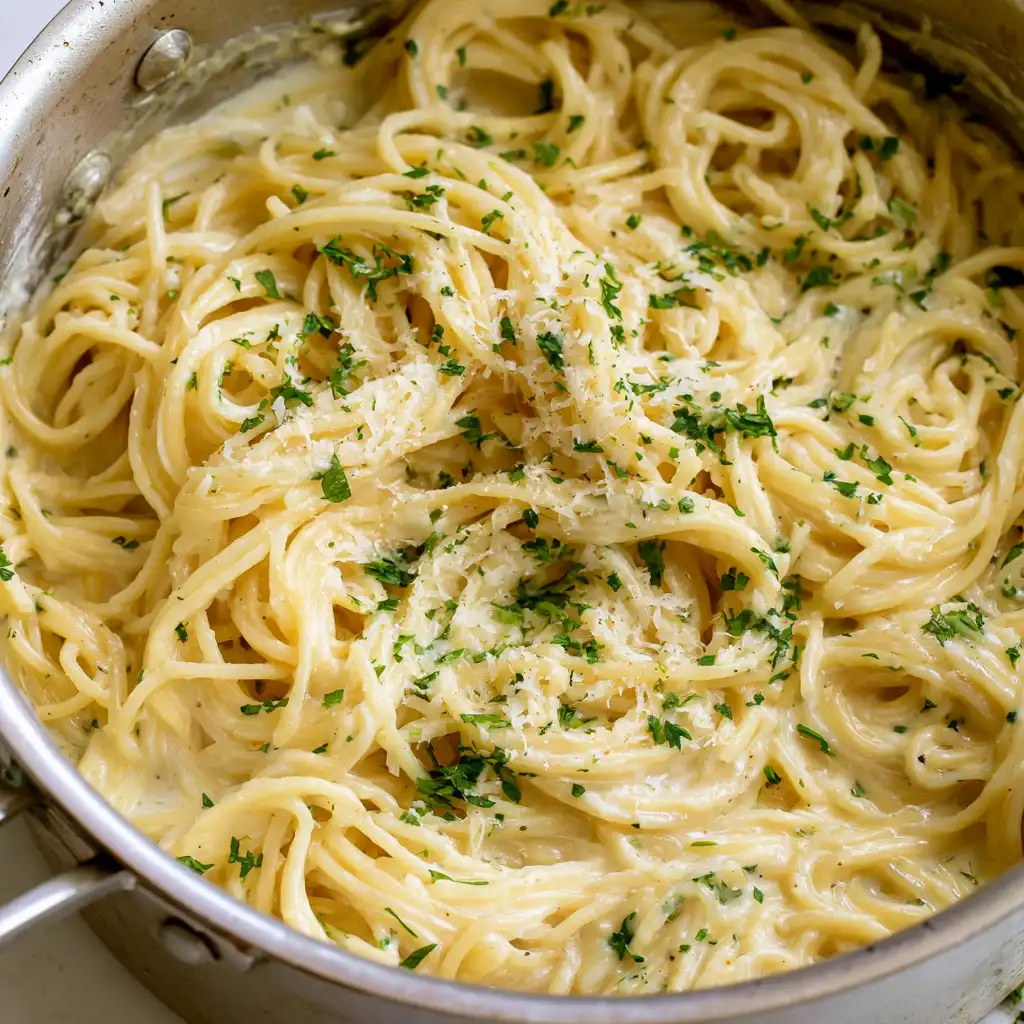

Garlic Parmesan Pasta
Ingredients
Method
- Note: Angel hair cooks very quickly. Refer to the time on package and set a timer to avoid overcooking it in the sauce in step 6, as overcooked noodles become clumpy.
- Grate the Parmesan cheese and set it aside to allow it to get to room temperature.
- Melt 2 tablespoons of butter over medium heat in a large skillet.
- Add the minced garlic and cook for 1-2 minutes, stirring occasionally.
- Add the chicken broth and optional seasoning mix. Slowly add the milk, stirring as you do so. Bring to a boil.
- Add the pasta noodles. Allow them to heat and use kitchen tongs to twist them into the skillet as they soften.
- Let the pasta cook for 4-5 minutes, stirring occasionally to ensure the noodles don’t stick together. Reduce heat to low.
- Add 1 tablespoon of butter to the warm pasta and toss to coat.
- Gradually sprinkle in the Parmesan cheese, stirring as you do so, until smooth and well-combined. Note: The sauce will be thin at first but will thicken nicely upon standing. The pasta will continue to absorb more of the sauce as well.
- Sprinkle with fresh parsley and serve with Garlic Bread with Cheese!
Notes
- Make sure the liquid is boiling when the pasta is added for the right consistency.
- The video shows this being made with half and half. I tend to use milk now, as the sauce ends up thickening up just a tad more than I would like with half and half, but I have successfully made it with either one! 🙂
- Purchase a block of high-quality Parmesan cheese. Always shred the cheese yourself, it will taste and melt much better. I use Belgioioso Parmesan cheese. Note that cheese that is very aged will not melt as well.
- Turn off the heat before adding the cheese, if the base is too hot, the dairy will separate and you’ll have a grainy consistency instead of creamy.
- Add the cheese gradually as opposed to all at once. Stir it continuously as it’s added.
- Only have spaghetti? Try my Garlic Parmesan Chicken Pasta recipe with spaghetti and chicken!
- Lemon Pepper Chicken
- Creamy Garlic Shrimp
- Chicken Piccata
- Creamy Lemon Chicken
- Chicken Florentine
- Garlic Bread with Cheese
- Roasted Broccoli
Calories: 382kcal | Carbohydrates: 47g | Protein: 15g | Fat: 15g | Saturated Fat: 9g | Polyunsaturated Fat: 1g | Monounsaturated Fat: 4g | Trans Fat: 1g | Cholesterol: 37mg | Sodium: 735mg | Potassium: 327mg | Fiber: 2g | Sugar: 5g | Vitamin A: 461IU | Vitamin C: 9mg | Calcium: 244mg | Iron: 1mg