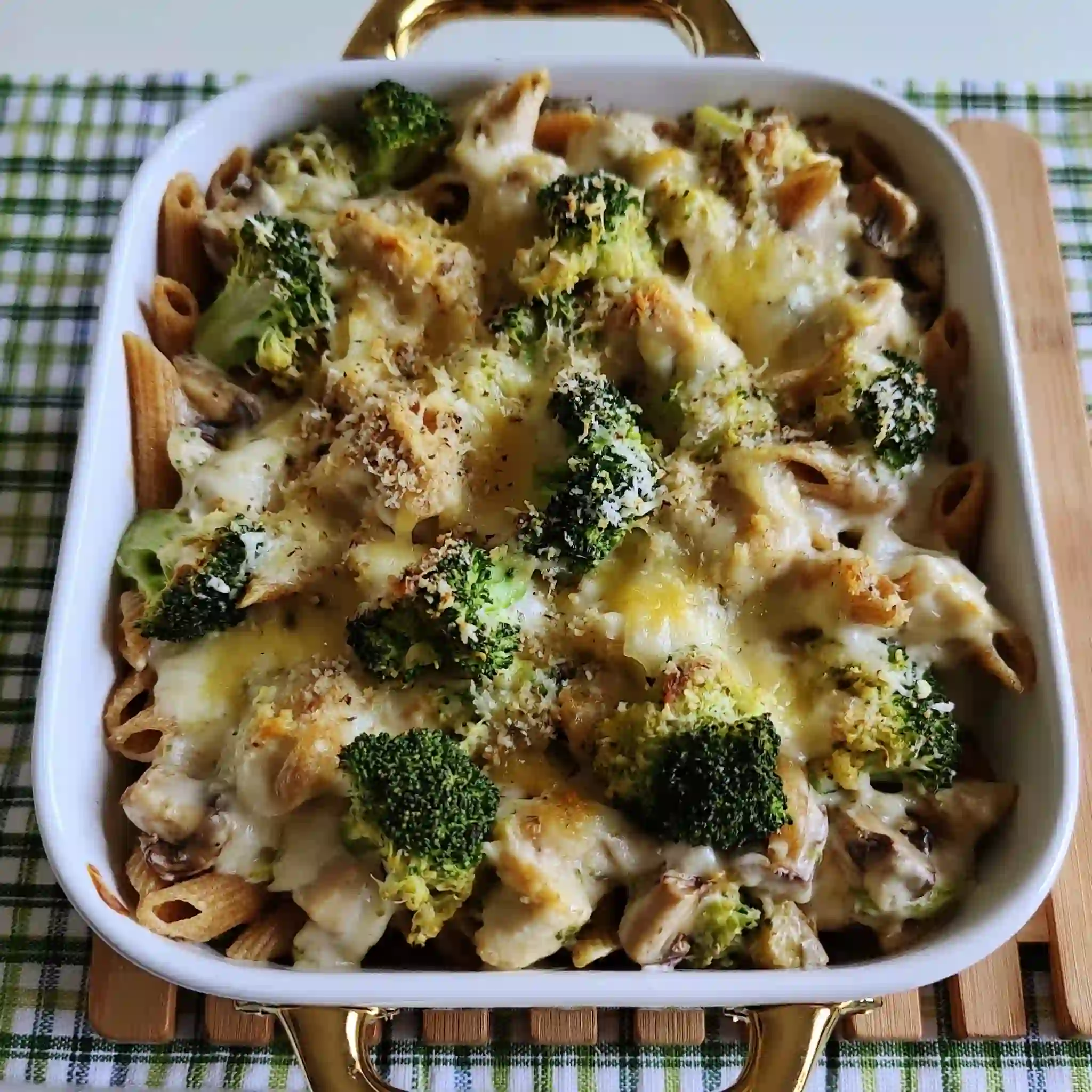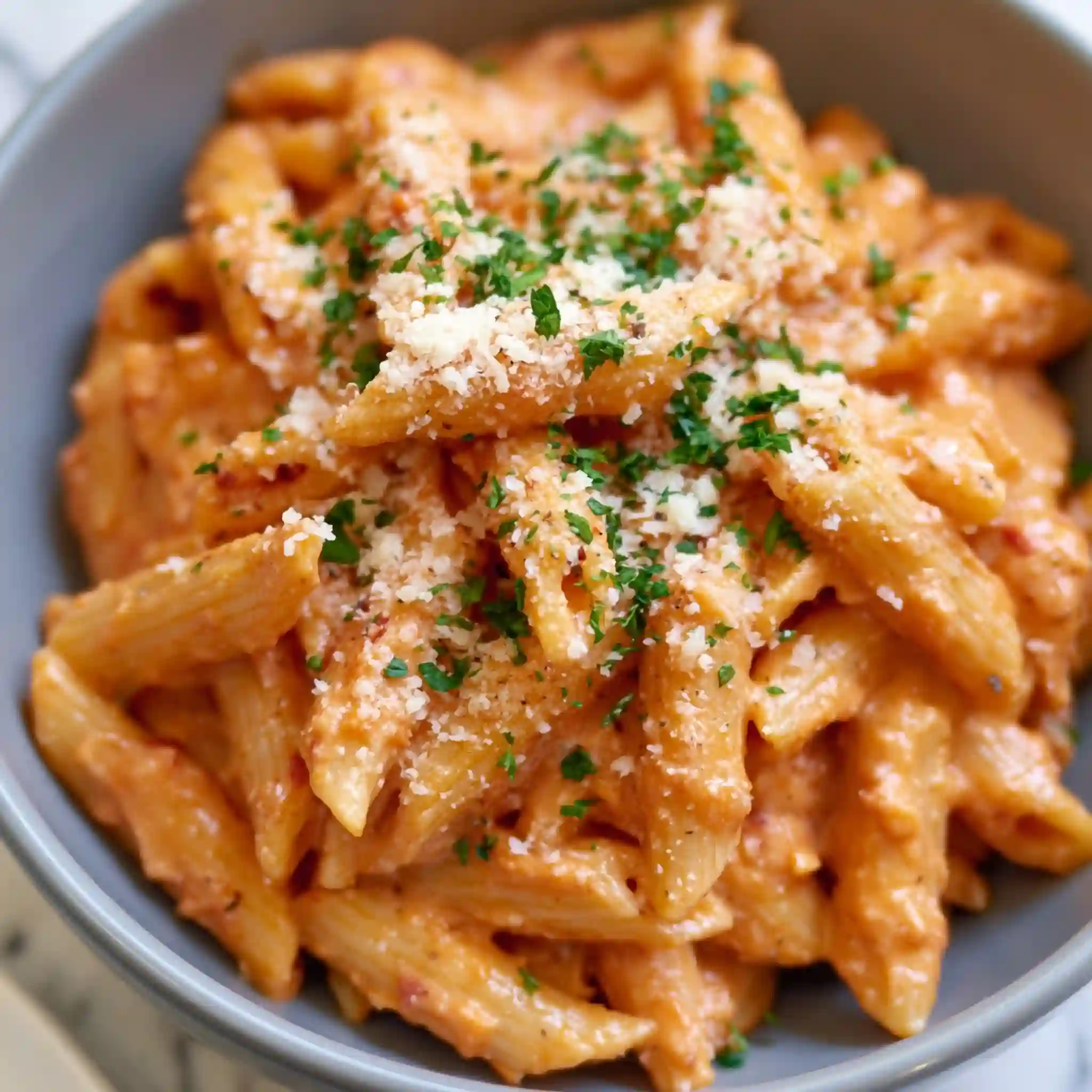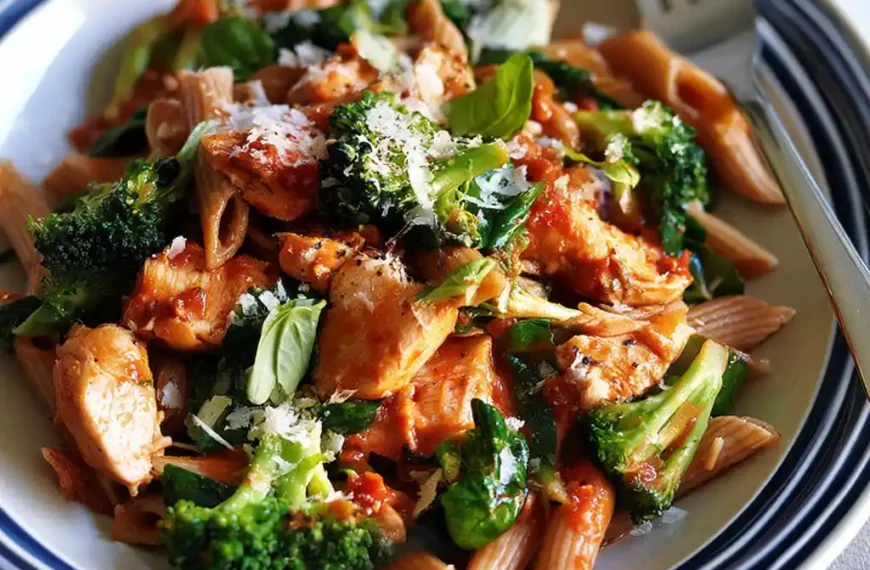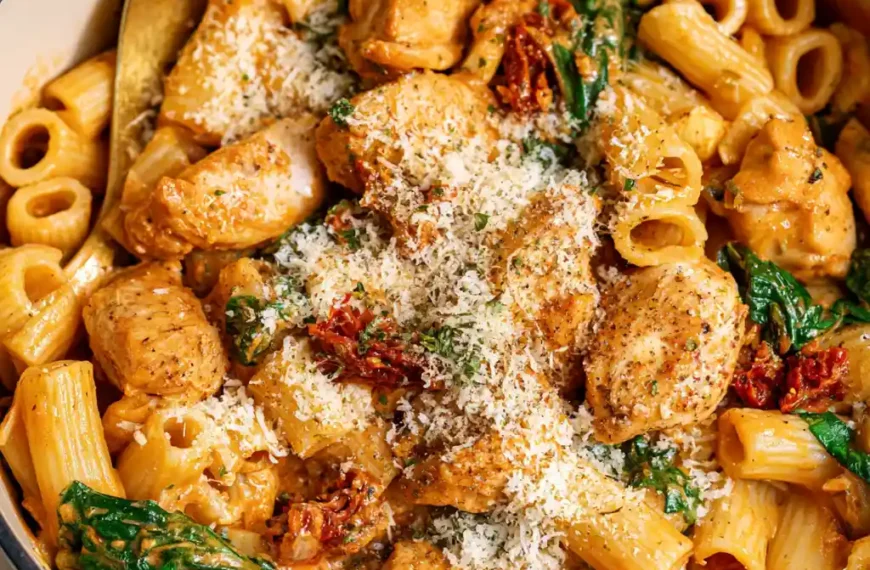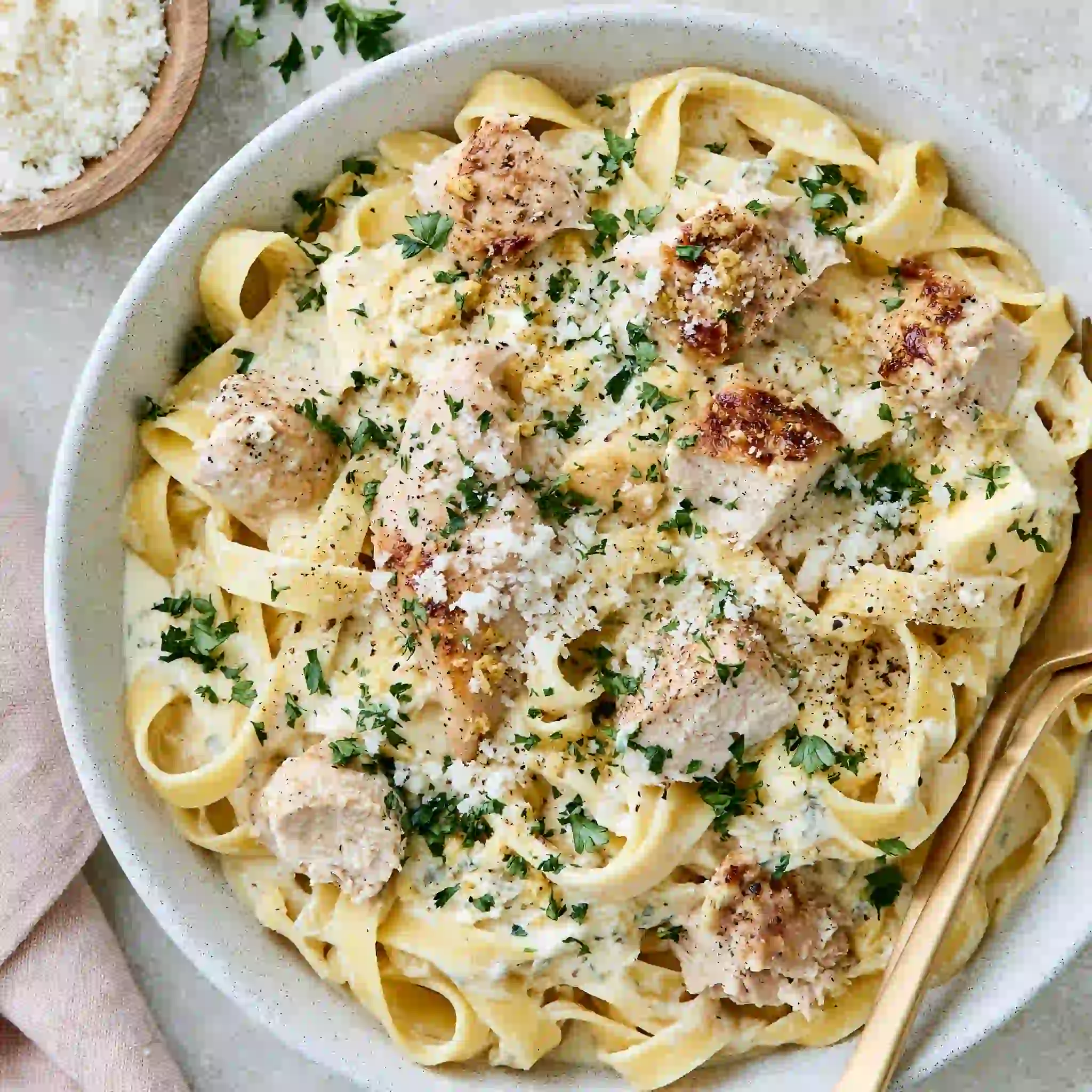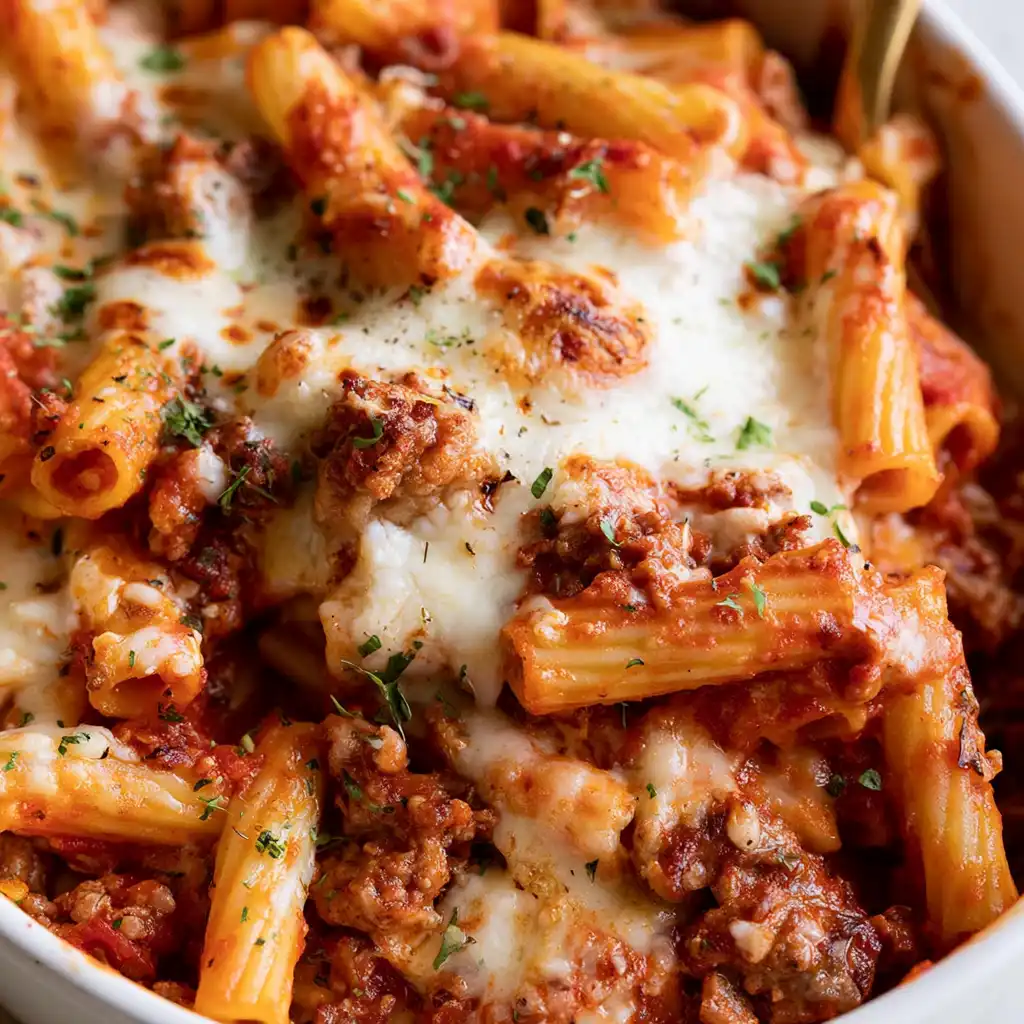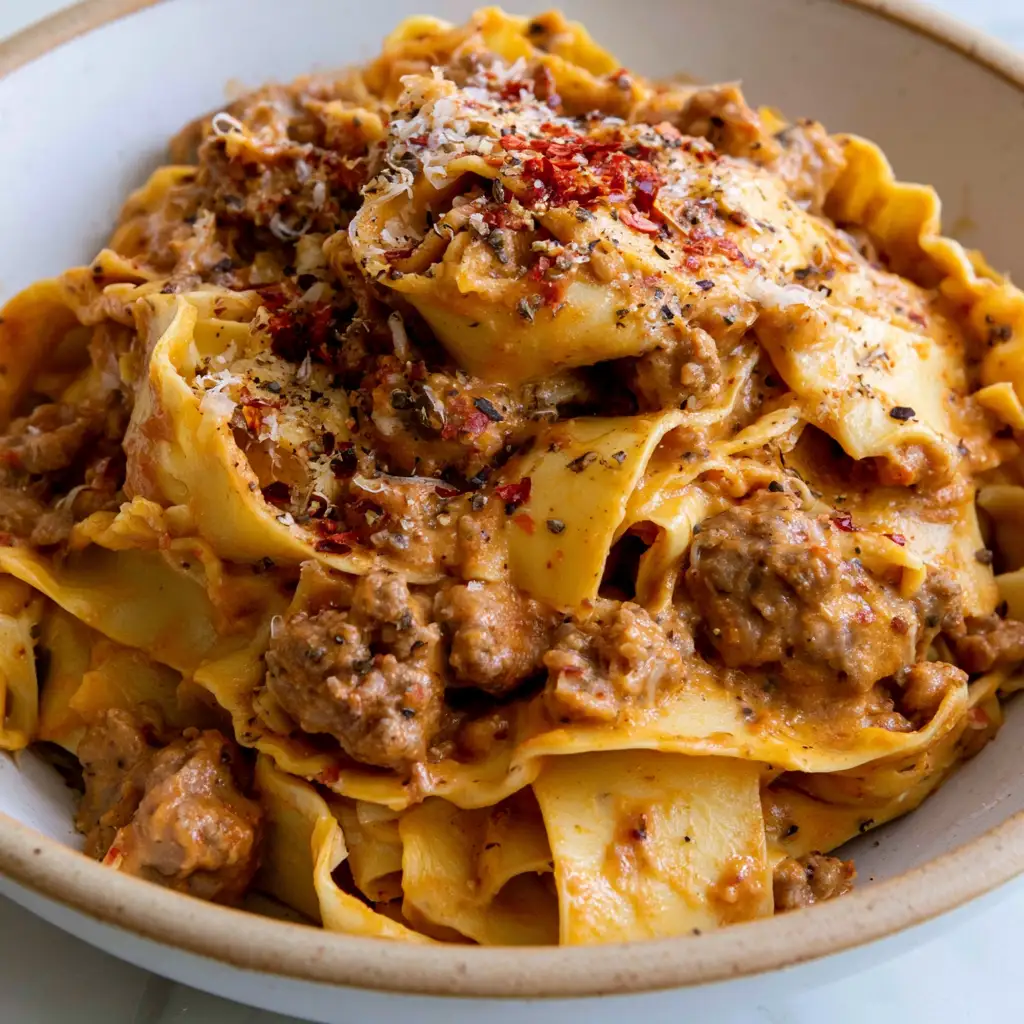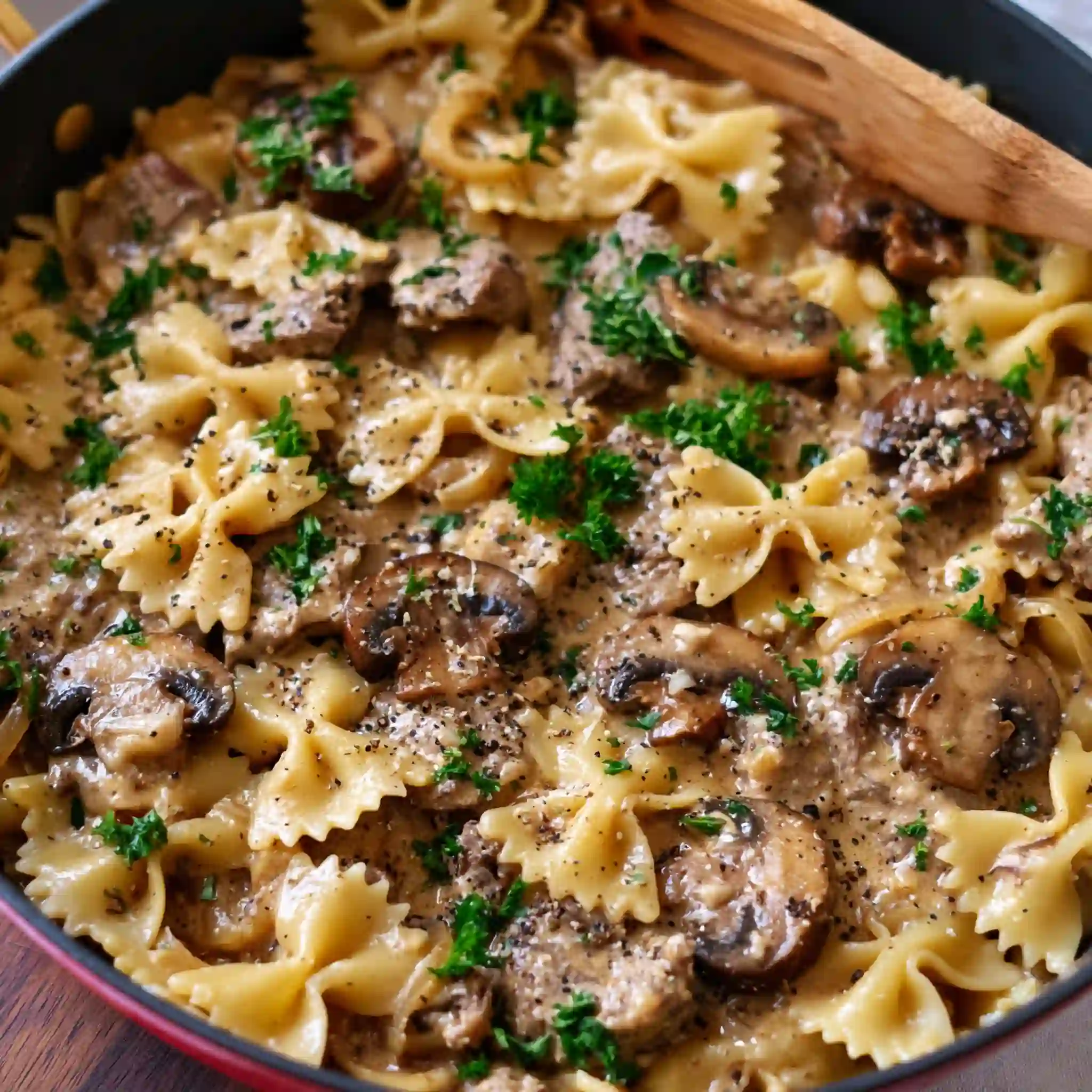
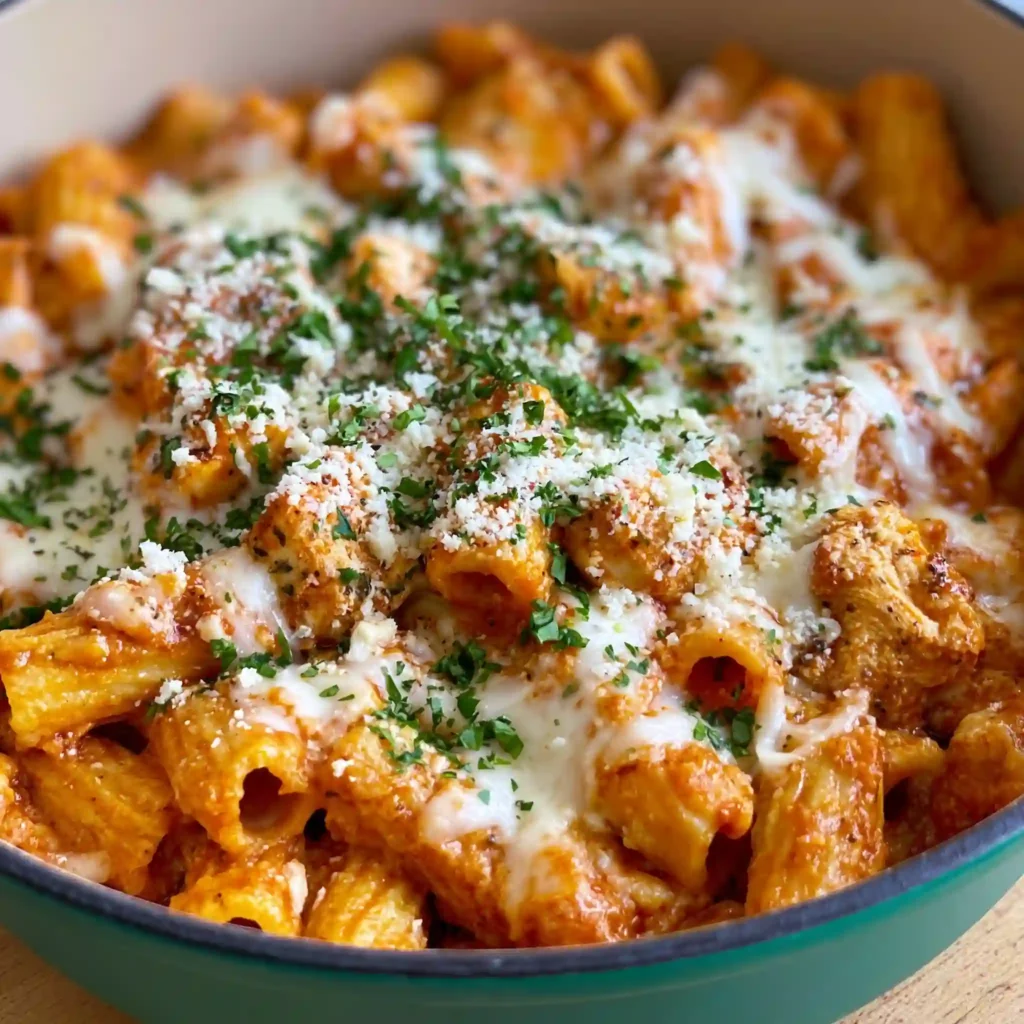
Dinner like this comes together in one pot and doesn’t ask much from you, which is exactly why I keep it in rotation. Chicken Parmesan Pasta gives you the comfort of a classic without the extra steps of breading and frying. Everything cooks together, so the pasta absorbs the sauce and the chicken stays tender instead of drying out.
Why this recipe works
I rely on this method because it builds flavor in layers without extra effort. The chicken gets seasoned and lightly browned first, which gives it a head start and keeps it from overcooking later. Cooking the pasta directly in the marinara thins the sauce just enough while letting the starch bring everything together into a cohesive, slightly creamy base. Finishing with two cheeses—parmesan stirred in and mozzarella melted on top—creates that familiar chicken parmesan feel without needing the oven.
Ingredients that matter
Here’s exactly what you’ll need:
- 2–3 boneless skinless chicken breasts, diced into bite sized pieces
- 1 tsp Italian seasoning
- 1/2 tsp garlic powder
- 1 medium yellow onion, minced
- 3 cloves garlic, minced
- 16 oz dried short-cut pasta (I used rigatoni)
- 24 oz jar of your favorite marinara sauce (I used Newman’s Own)
- water to fill empty marinara sauce jar
- 1 cup mozzarella cheese
- 1/2 cup parmesan cheese
- salt and pepper, to taste
- additional dried Italian seasoning, optional
- fresh parsley and/or basil, minced for garnish
A couple of notes from experience: short pasta like rigatoni or penne works best because it holds sauce well and cooks evenly in this setup. Also, don’t skip filling the empty marinara jar with water—that measured addition loosens the sauce just enough for the pasta to cook through without sticking.
How I cook it
I use a large pot or a Dutch oven so everything has room to move. Crowding leads to uneven cooking, especially once the pasta goes in.
- I start by adding a drizzle of olive oil over medium-high heat. Once it’s hot, I add the chicken and season it with salt, pepper, Italian seasoning, and garlic powder. I cook it for about 5 minutes, just until it’s mostly cooked through. It doesn’t need to be fully done yet—it’ll finish later in the sauce. I remove it to a plate to keep it from overcooking.
- In the same pot, I add the minced onion and garlic. They cook for about 2–3 minutes, just until softened. This step builds the base flavor, so I keep the heat steady and avoid browning the garlic too much.
- I pour in the marinara sauce, then fill the empty jar with water and add that too. I bring it to a boil, then lower it to a strong simmer. At this stage, the sauce should look a bit thinner than usual—that’s exactly what you want.
- I return the chicken to the pot and add the dried pasta. After a good stir, I cover it and let it cook until the pasta reaches the texture I like. I stir occasionally so nothing sticks to the bottom.
- Once the pasta is cooked, I stir in the parmesan cheese and 1/4 cup of the mozzarella. This step thickens the sauce slightly and adds depth.
- I sprinkle the remaining 3/4 cup mozzarella over the top, cover again briefly, and let it melt until soft and gooey. The residual heat does most of the work here.
- I finish with a sprinkle of additional Italian seasoning if I want a bit more herb flavor, then add fresh parsley or basil for brightness.
What to look for as it cooks
You don’t need a timer as much as you need visual cues. The pasta should be tender but still hold its shape, not mushy. If the pot starts looking dry before the pasta is done, add a small splash of water and keep going.
The sauce should cling lightly to the pasta, not pool at the bottom. When you stir in the cheese, it should melt smoothly and make the sauce feel slightly thicker.
Common mistakes and how to fix them
One issue I see often is overcooking the chicken at the start. If it’s fully cooked before it goes back into the pot, it can turn dry by the end. Pull it off the heat when it’s just mostly done.
Another is not stirring the pasta occasionally. Since everything cooks in one pot, the pasta can stick to the bottom if left alone too long. A quick stir every few minutes keeps things moving.
If the sauce becomes too thick before the pasta is ready, add a bit more water. On the other hand, if it’s too loose at the end, let it sit uncovered for a minute or two—the starch will naturally tighten it.
Adjustments and substitutions
You can make small changes without affecting the overall result too much. If you don’t have rigatoni, any short pasta will work. Just avoid very thin shapes, which can overcook quickly.
For the cheese, pre-shredded mozzarella works fine here since it’s melting into a hot dish. If you prefer a stronger flavor, you can slightly increase the parmesan, but keep the balance so it doesn’t overpower the sauce.
If you like a bit of heat, a pinch of red pepper flakes can be added with the garlic.
Serving ideas
This dish is filling on its own, but I usually pair it with something light:
- A simple green salad with a sharp vinaigrette cuts through the richness
- Steamed or sautéed vegetables like zucchini or green beans work well
- A piece of crusty bread is useful for scooping up the extra sauce
Storage and reheating
Leftovers keep well in the refrigerator for a couple of days. The pasta will absorb more sauce as it sits, so when reheating, I add a splash of water before warming it gently on the stove or in the microwave.
Stir halfway through reheating to keep the texture even.
Freezer notes
You can freeze this, but the pasta will soften slightly after thawing. I let it cool completely, portion it, and freeze in airtight containers. When reheating, I add a little water and warm it slowly so the sauce loosens back up.
FAQ
Can I use pre-cooked chicken?
Yes, but add it later in the process—right before the pasta finishes cooking—so it doesn’t dry out.
What if my pasta isn’t fully cooked but the sauce is thick?
Add a bit of water, stir, and continue cooking covered. The extra liquid will help the pasta finish.
Can I make this without onion?
You can skip it, but the flavor will be slightly less rounded. If you do, consider adding a small pinch of extra seasoning.
Why cook pasta in the sauce instead of separately?
It saves a step and gives better flavor. The pasta absorbs the sauce as it cooks, which makes the final dish more cohesive.
A dish like this earns its place by being dependable. It’s the kind of meal you can make without overthinking, and it still delivers that familiar, comforting flavor every time.
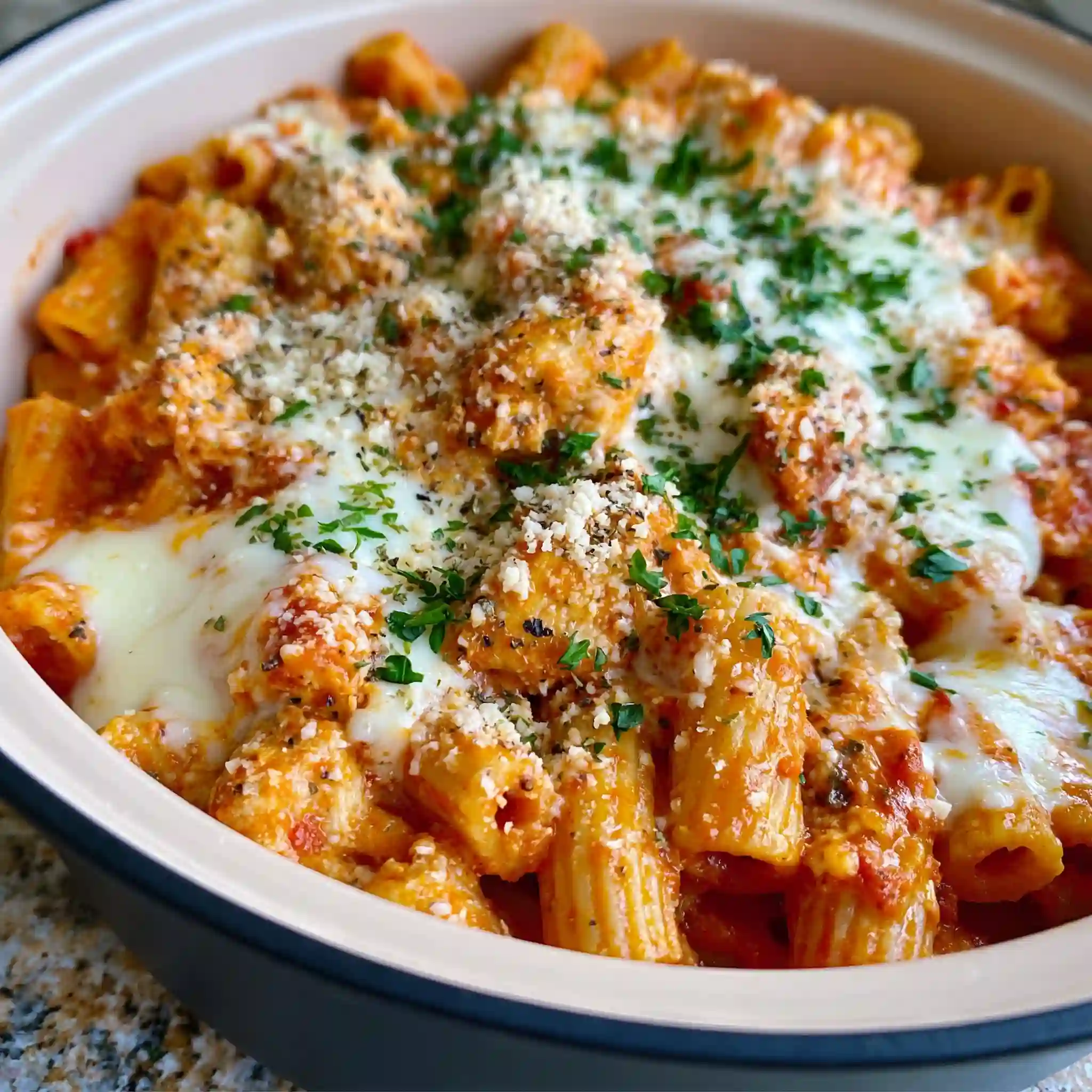

Chicken Parmesan Pasta
Ingredients
Method
- To a large pot or skillet (I used my dutch oven), add a drizzle of olive oil and heat over MED-HIGH heat. Add chicken, season with salt, pepper, Italian seasoning and garlic powder. Cook about 5 minutes, until chicken is most of the way cooked through. Remove to a plate.
- Add onion and garlic to the pot and cook about 2-3 minutes, until soft. Pour in marinara sauce, fill up empty sauce jar with water and add to the pot. Bring to a boil, then reduce to a strong simmer.
- Add chicken and pasta, stir, then cover and cook for 10-15 minutes, until pasta is cooked to your liking. Stir in parmesan cheese and 1/4 cup of the mozzarella cheese.
- Sprinkle remaining 3/4 cup mozzarella cheese on top of the dish and cook another 2-3 minutes, until cheese is melted and gooey.
- Sprinkle with additional Italian seasoning if desired, and garnish with parsley or basil.
Notes
Calories: 450kcal | Carbohydrates: 65g | Protein: 26g | Fat: 8g | Saturated Fat: 4g | Cholesterol: 44mg | Sodium: 894mg | Potassium: 737mg | Fiber: 4g | Sugar: 7g | Vitamin A: 695IU | Vitamin C: 10.2mg | Calcium: 237mg | Iron: 2.6mg