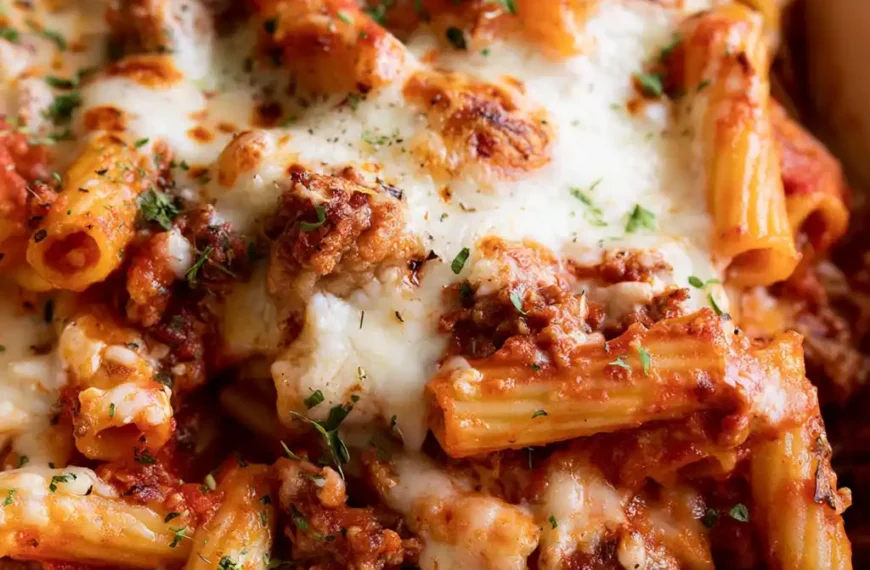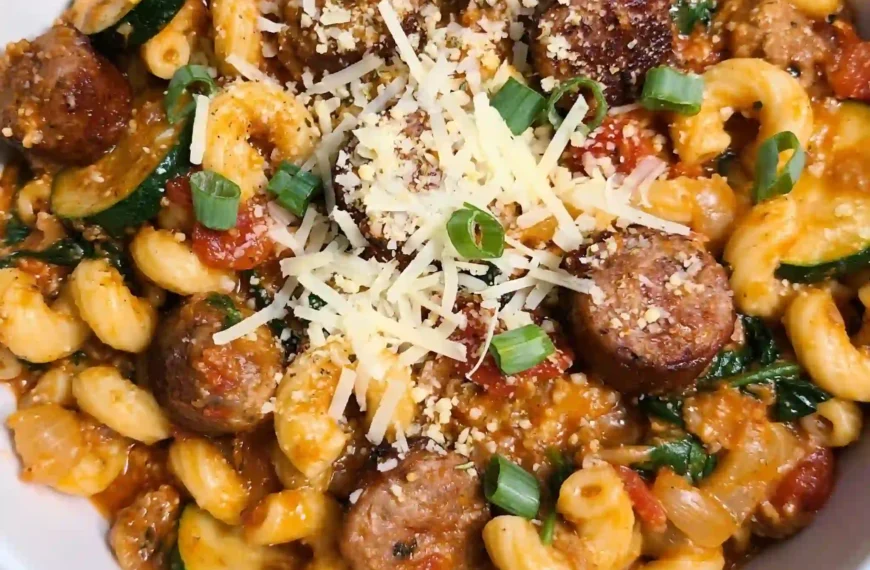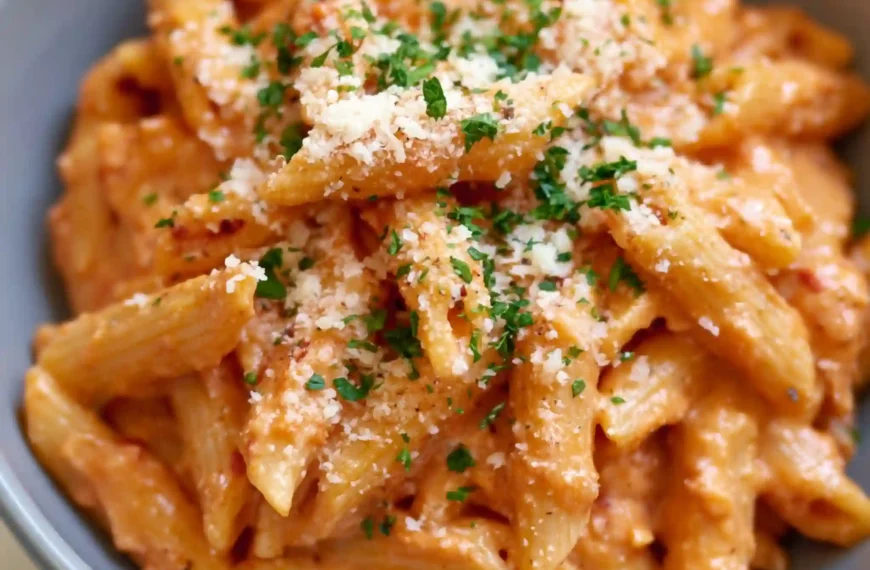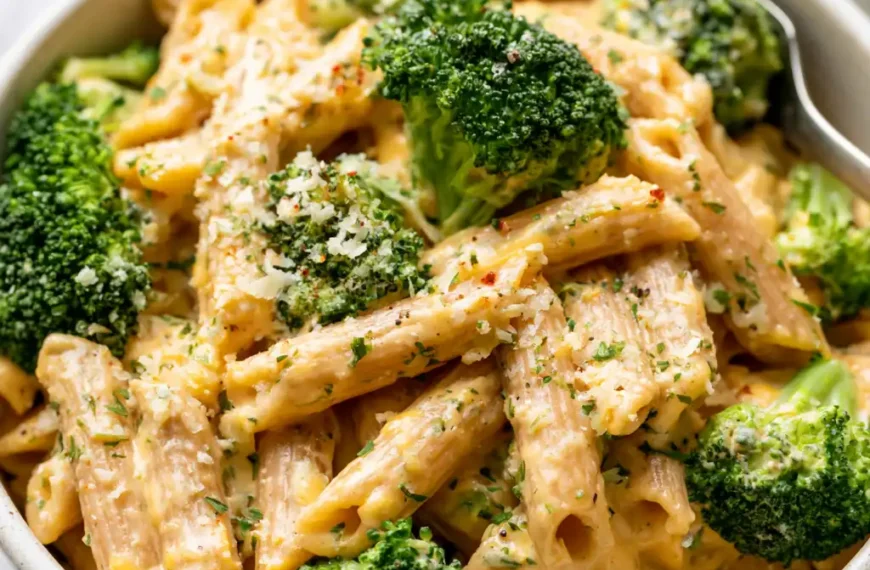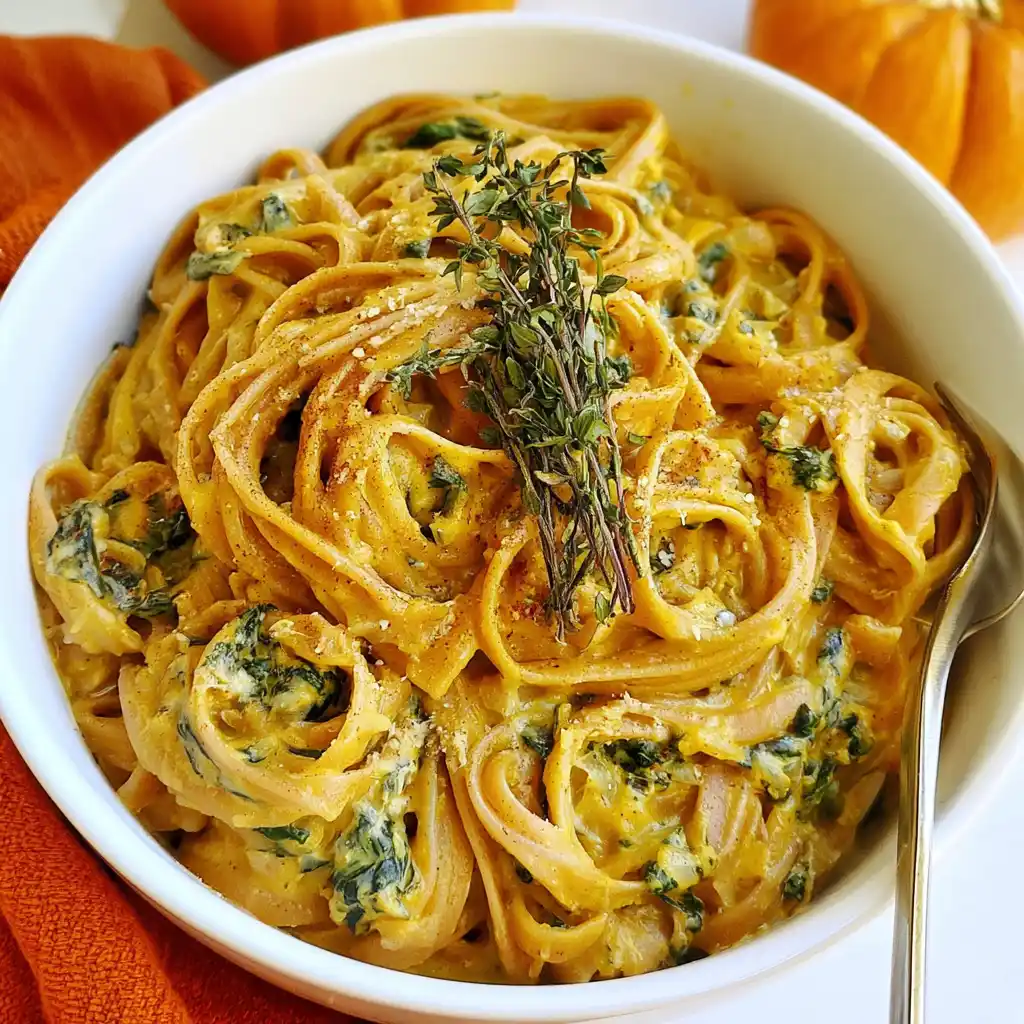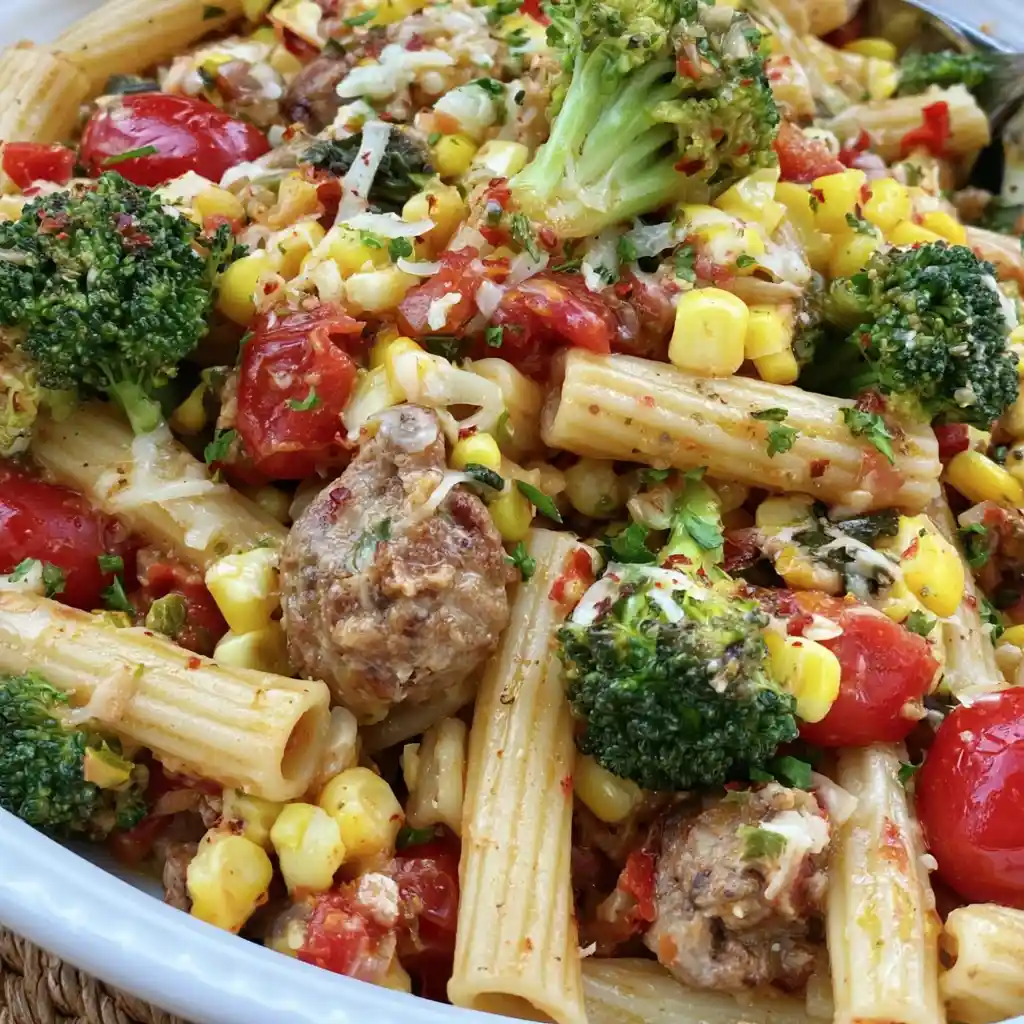
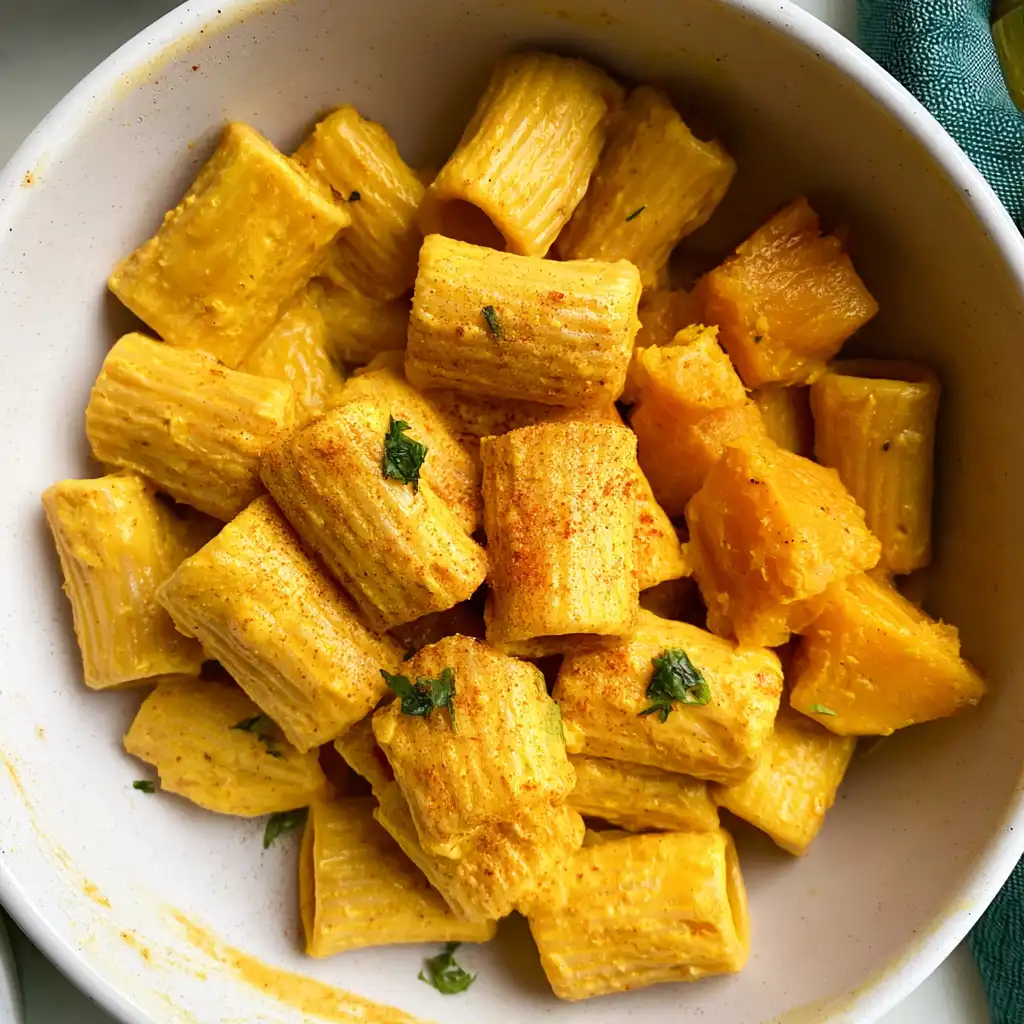
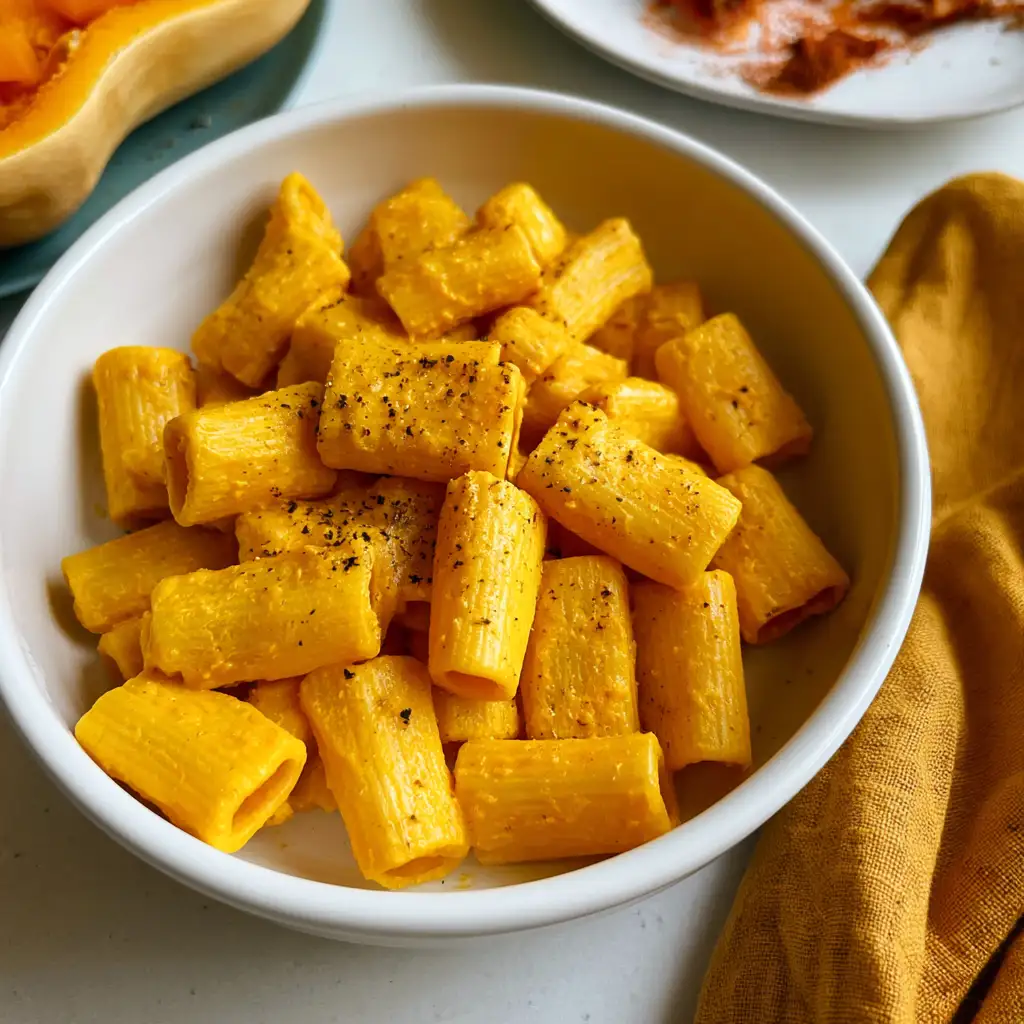
There’s something deeply satisfying about a bowl of pasta coated in a rich, velvety sauce—especially when that creaminess comes entirely from vegetables. This vegan butternut squash pasta delivers exactly that: a luxuriously smooth sauce made from blended squash, nutritional yeast, and a few pantry staples, all tossed with perfectly cooked rigatoni.
I make this recipe often during the cooler months when I want comfort food that feels indulgent but doesn’t weigh me down. The frozen squash cubes steam quickly, blend into an impossibly creamy texture, and carry the warm, slightly sweet flavor of butternut squash beautifully. With just fifteen minutes from start to finish, it’s one of those weeknight dinners that proves plant-based eating doesn’t have to be complicated or time-consuming.
Why This Recipe Works
The magic here lies in the simplicity. Frozen butternut squash cubes steam until tender, then blend with almond milk, olive oil, and nutritional yeast into a sauce that clings to every ridge of the pasta. The reserved starchy pasta water is key—it loosens the sauce just enough so it coats the noodles evenly without becoming gloppy.
Nutritional yeast brings a subtle cheesy depth without any dairy, while smoked paprika adds a whisper of warmth that keeps the flavor profile interesting. Onion and garlic powder distribute evenly throughout the sauce, ensuring every bite tastes balanced.
Ingredients
- 8 oz rigatoni (or other short pasta like penne, fusilli, or shells)
- 1 cup pasta water, reserved before draining
- 1 lb frozen cubed butternut squash (fresh works too—see notes below)
- 1/2 cup almond milk (or any neutral non-dairy milk like oat, soy, or cashew milk)
- 2 tablespoons olive oil
- 1/2 cup nutritional yeast
- 1 teaspoon onion powder
- 3/4 teaspoon garlic powder
- 1 teaspoon smoked paprika
- 1 teaspoon salt
- 1/2 teaspoon ground black pepper
Instructions
Cook the pasta. Bring a large pot of salted water to a boil. Add the rigatoni and cook according to package directions until al dente. Just before draining, scoop out 1 cup of the cloudy, starchy pasta water and set it aside. Drain the pasta and return it to the pot.
Steam the squash. While the pasta cooks, steam the frozen butternut squash cubes according to the package instructions until they’re very soft and easily pierced with a fork. This usually takes about 8 to 10 minutes. If you’re using fresh butternut squash instead, peel and cube it into 1-inch pieces, then steam for 12 to 15 minutes until tender.
Blend the sauce. Transfer the steamed squash to a high-speed blender. Add the olive oil, almond milk, nutritional yeast, onion powder, garlic powder, smoked paprika, salt, and black pepper. Pour in 1/2 cup of the reserved pasta water to start.
Blend on high until completely smooth and creamy, about 1 to 2 minutes. The sauce should be thick but pourable. If it looks too thick, add more pasta water, a few tablespoons at a time, blending between additions until you reach your desired consistency. I usually end up using about 3/4 to 1 cup total, depending on how creamy I want the final dish.
Toss and serve. Pour the warm butternut squash sauce over the drained pasta in the pot. Toss gently with tongs or a large spoon until every piece is evenly coated. The residual heat from the pasta will warm the sauce through if it’s cooled slightly during blending.
Serve immediately while hot. If you want an extra boost of cheesy flavor, sprinkle additional nutritional yeast on top of each bowl.
Common Mistakes and How to Avoid Them
Sauce is too thick. This happens if you don’t add enough pasta water. Start with 1/2 cup, then keep adding more until the sauce reaches a creamy, pourable consistency that coats the pasta without clumping.
Sauce tastes bland. Nutritional yeast varies in saltiness between brands. If your sauce needs more depth, add an extra pinch of salt or a splash more nutritional yeast. A tiny squeeze of lemon juice at the end can also brighten the flavor.
Squash isn’t soft enough. Undercooked squash won’t blend smoothly and will leave your sauce grainy. Steam until the cubes are falling-apart tender. If you accidentally undercook them, just steam for a few more minutes before blending.
Sauce separates or looks oily. This can happen if you add too much olive oil or if the blender doesn’t run long enough. Make sure to blend for a full 1 to 2 minutes until the emulsion is stable and the sauce looks uniform.
Substitutions and Adjustments
Fresh butternut squash. If you don’t have frozen cubes, use about 3 to 4 cups of peeled, cubed fresh squash. Steam or roast until very tender before blending.
Different pasta shapes. Rigatoni works beautifully because the ridges catch the sauce, but penne, fusilli, shells, or even spaghetti work well too. Just adjust cooking time according to the package.
Nut-free option. This recipe is already nut-free since it uses almond milk (which is technically a seed milk) and no cashews. If you need to avoid all tree nuts, use oat milk or soy milk instead.
Add protein. Toss in some white beans, chickpeas, or sautéed tempeh for extra protein. Stir them in after blending the sauce, just before tossing with the pasta.
Make it spicier. Add a pinch of red pepper flakes, cayenne, or a dash of hot sauce to the blender for heat.
Add greens. Stir in a handful of chopped spinach, kale, or arugula right after tossing the pasta with the sauce. The residual heat will wilt them perfectly.
Serving Suggestions
This pasta stands well on its own, but a few simple additions can round out the meal:
- A side of garlicky sautéed greens like spinach, kale, or broccoli rabe
- A crisp green salad with lemon vinaigrette to cut through the richness
- Crusty bread or garlic bread for soaking up any extra sauce
- Roasted Brussels sprouts or a simple vegetable medley
Storage and Reheating
Store leftover pasta in an airtight container in the refrigerator for up to 4 days. The sauce will thicken as it cools, so when reheating, add a splash of water or non-dairy milk to loosen it back up.
Reheat gently on the stovetop over medium-low heat, stirring frequently, or microwave in 30-second intervals, stirring between each, until warmed through. Add a little liquid as needed to restore the creamy texture.
Freezer Instructions
This pasta freezes well for up to 3 months. Cool completely, then transfer to a freezer-safe container or resealable bag. Thaw overnight in the refrigerator before reheating.
When reheating from frozen, add extra liquid (water or non-dairy milk) since the sauce will thicken considerably during freezing. Reheat gently on the stovetop, stirring often, until warmed through and creamy again.
FAQ
Can I use a different non-dairy milk?
Yes. Oat milk, soy milk, or cashew milk all work well. Avoid strongly flavored milks like coconut, which will overpower the butternut squash.
Can I make this ahead of time?
You can make the sauce up to 3 days in advance and store it separately from the pasta. Reheat the sauce gently, adding a splash of water or non-dairy milk to loosen it, then toss with freshly cooked pasta.
Why is my sauce grainy?
The squash wasn’t soft enough before blending. Make sure it’s steamed until falling-apart tender. A high-speed blender also helps achieve the smoothest texture.
Can I add vegetables?
Absolutely. Sautéed mushrooms, spinach, kale, peas, or roasted broccoli all pair beautifully with this sauce. Stir them in after blending, just before tossing with the pasta.
There you have it—a creamy, comforting bowl of vegan butternut squash pasta that comes together in minutes and tastes like you spent all afternoon in the kitchen. It’s the kind of recipe I turn to when I need something nourishing, satisfying, and genuinely delicious without the fuss.

Vegan Butternut Squash Pasta
Ingredients
Method
- Cook the pasta according to package directions, reserving 1 cup of pasta water before draining the pasta.
- Steam the squash according to the package directions until the squash is very soft.
- Transfer to a blender and add the olive oil, onion powder, garlic powder, smoked paprika, almond milk, nutritional yeast, salt and pepper.
- Add the reserved pasta water, starting with 1/2 cup of water, and blend. For a thinner sauce, continue to add pasta water until you reach your desired consistency.
- Toss with the pasta and serve immediately. For extra cheesy flavor sprinkle additional nutritional yeast on top.
Notes
Serving Size 1 cup
Serves 4
Amount Per Serving
Calories 333
% Daily Value*
Total Fat 4.9g 6%
Cholesterol 0mg 0%
Sodium 628.7mg 27%
Total Carbohydrate 59.7g 22%
Dietary Fiber 6g 21%
Sugars 4.1g
Protein 13g 26%
Vitamin A70%Vitamin C27%