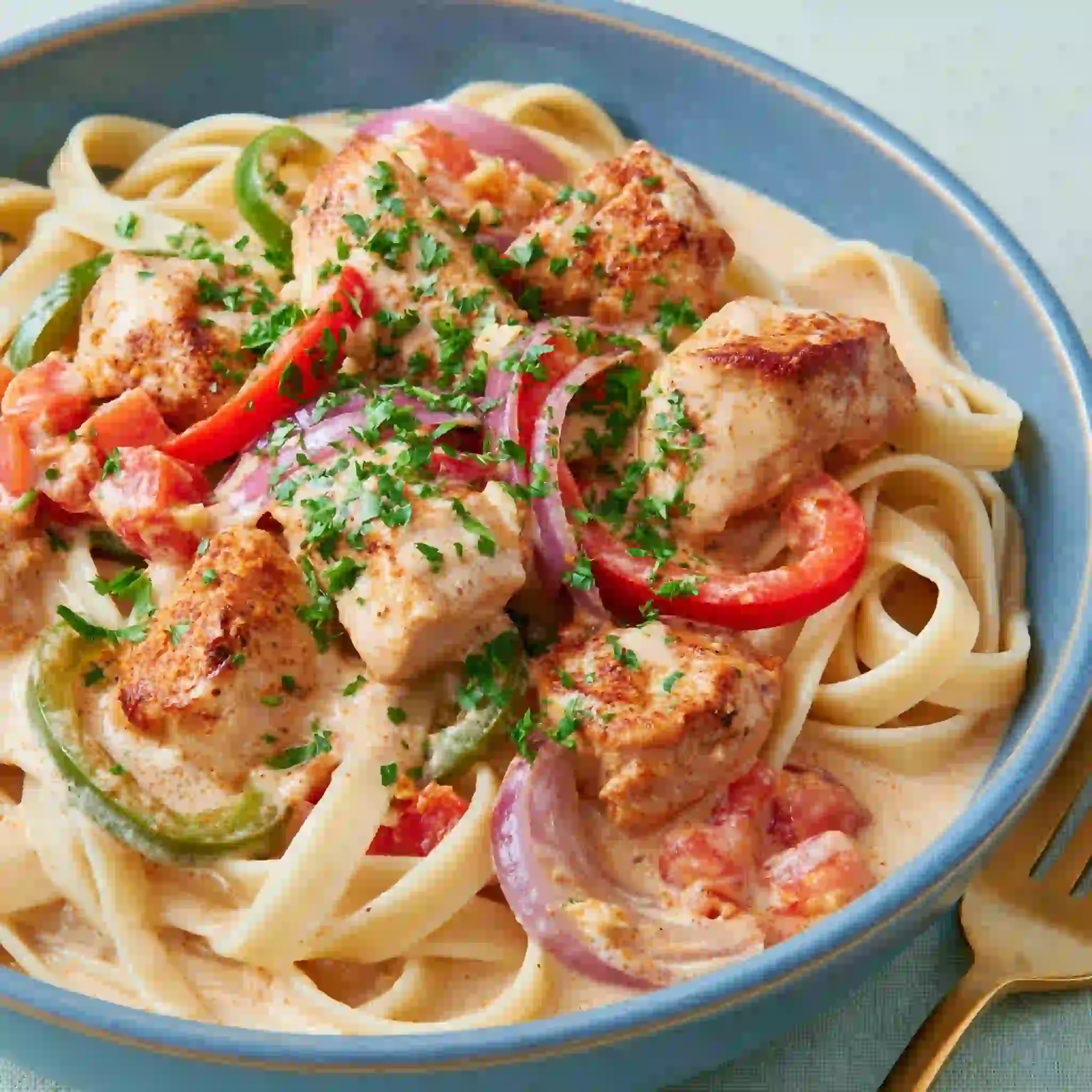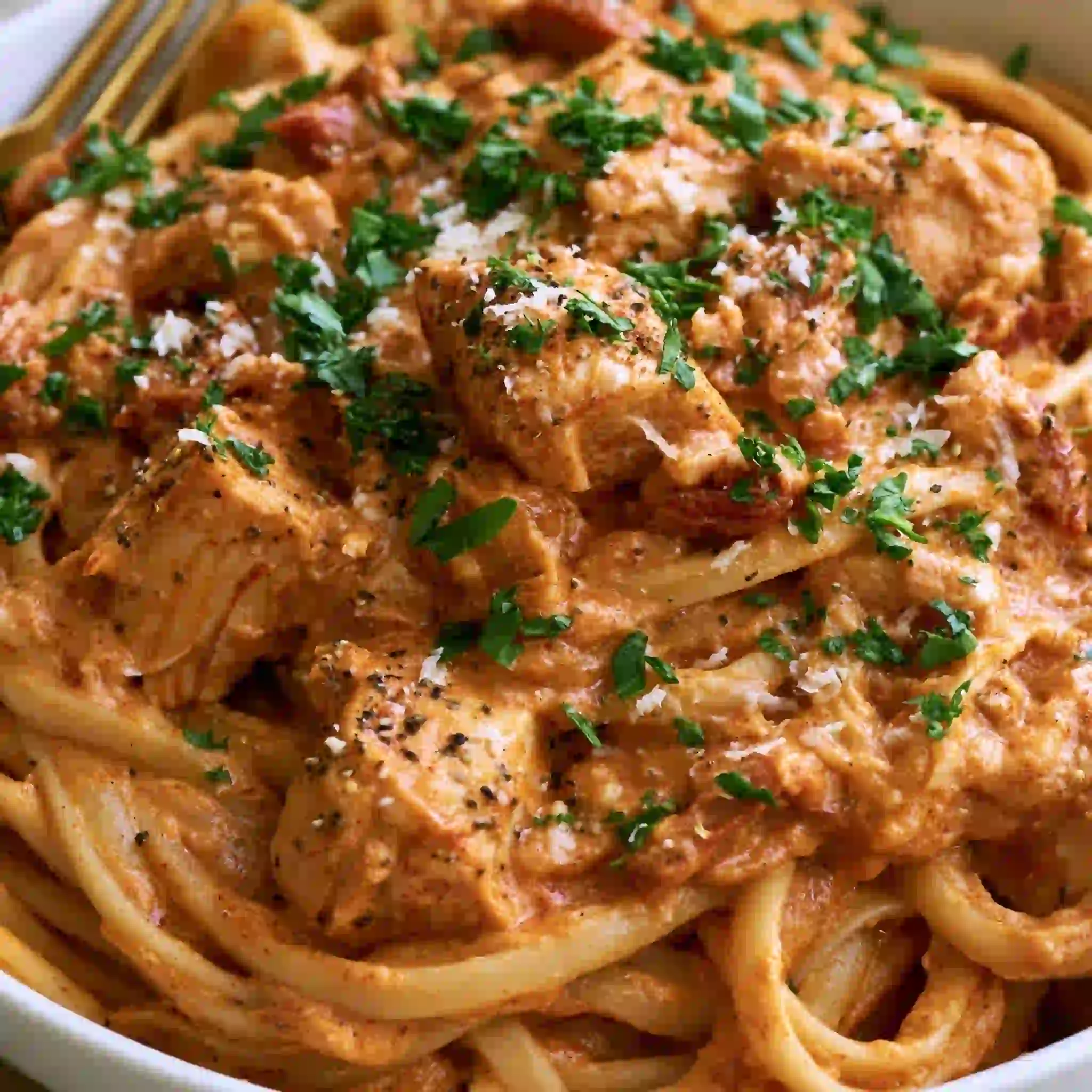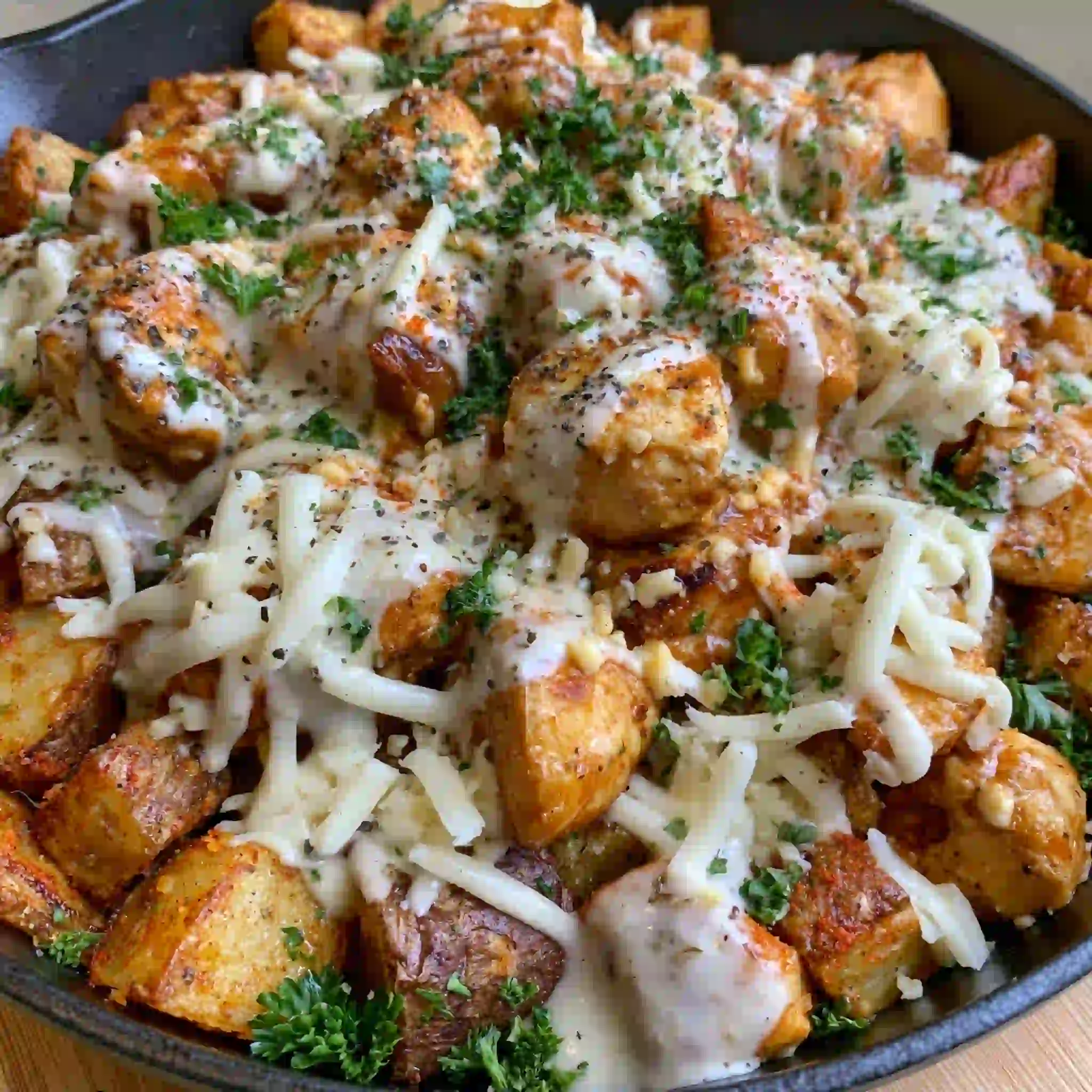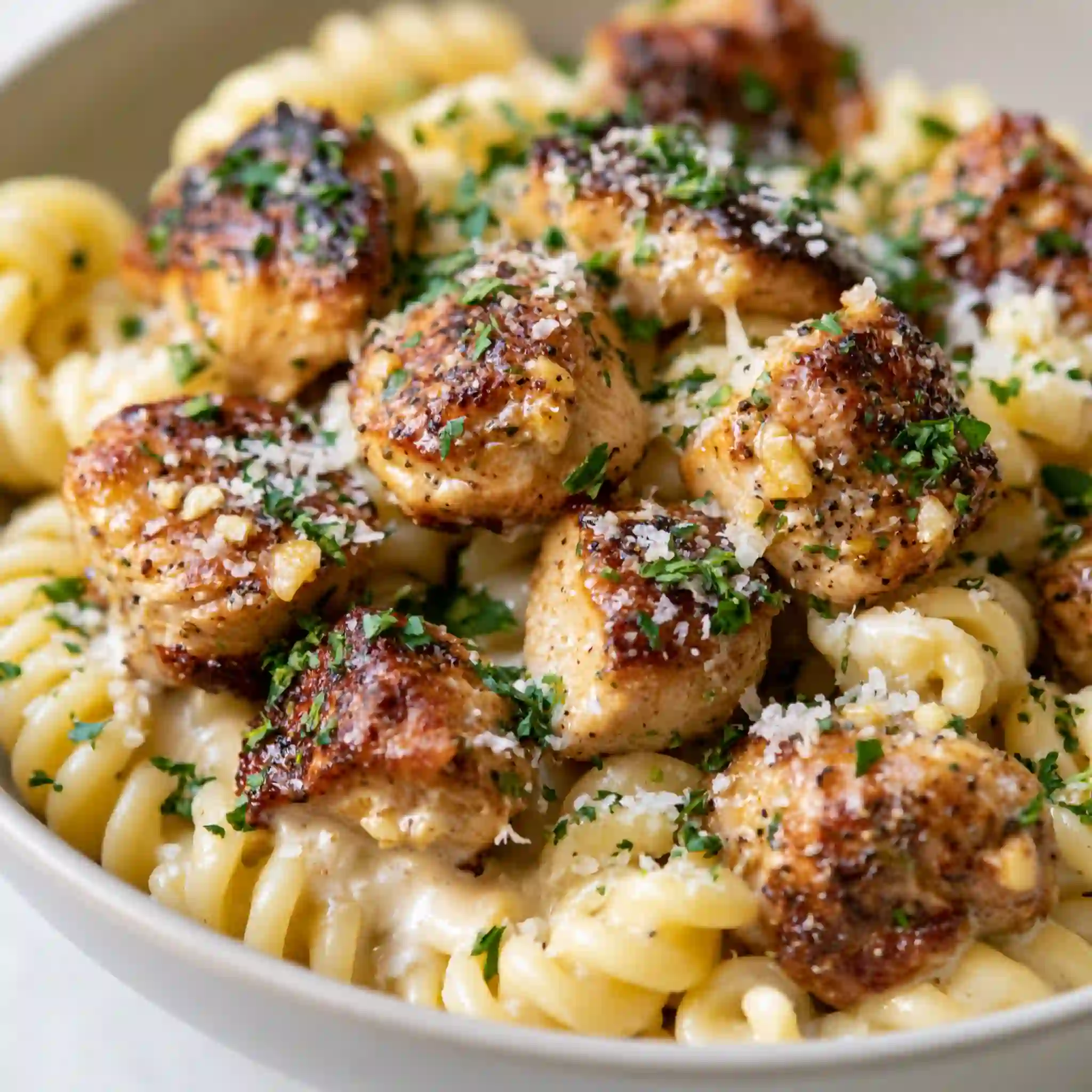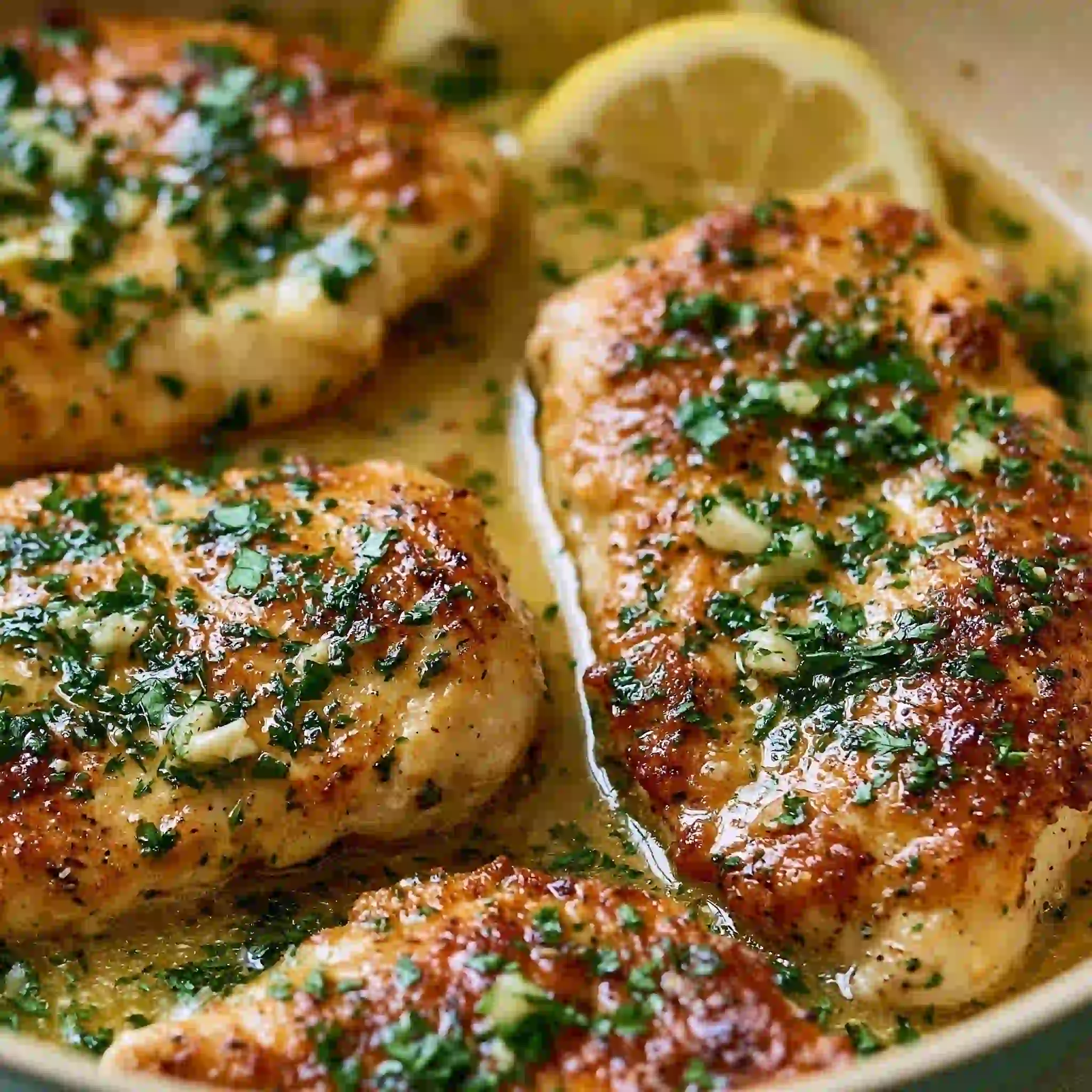
Cajun shrimp pasta has a way of feeling like a restaurant-worthy dinner while actually coming together in the time it takes to boil water. That’s not a small thing on a Tuesday night.
This version is built around a handful of real ingredients — shrimp, heavy cream, parmesan, and a good Cajun seasoning blend — and the technique is straightforward enough that you won’t need to babysit it. What matters most here is timing. The shrimp cook fast, the sauce comes together in the same pan, and if you’ve got everything ready before you turn on the heat, the whole thing flows without stress.
This makes about 2 generous servings.
Before You Start
Get everything prepped and measured before anything hits the heat. This recipe moves quickly, and you’ll be managing the pasta and the skillet at the same time. Having the shrimp seasoned, the cream measured, and the cheese grated ahead of time makes the difference between a smooth cook and a scrambled one.
One thing worth saying upfront: if you’re using a store-bought Cajun seasoning, use less than the recipe calls for. Most commercial blends are much saltier than a homemade mix. Start with a smaller amount, taste as you go, and build from there. A homemade Cajun blend gives you full control over the salt and heat, and I’d encourage that route if you have the time.
Also, pat the shrimp dry before seasoning them. Moisture on the surface of the shrimp creates steam in the pan, which works against the browning you’re after.
Ingredients
For the pasta:
- 1 tablespoon kosher salt
- 8 ounces penne pasta
For the shrimp and sauce:
- 1 pound raw shrimp, deveined, cleaned, tail removed, patted dry
- 2 tablespoons Cajun seasoning (reduce if using store-bought)
- 1 tablespoon olive oil
- 1 tablespoon butter
- 1 cup heavy cream
- ½ cup parmesan cheese, finely grated from a block
How to Make It
Season the shrimp. In a bowl, toss the shrimp with the Cajun seasoning and olive oil until everything is evenly coated. Set aside.
Get the pasta water going. Add the kosher salt to a pot of water and bring it to a boil. Salt the water generously — this is the only chance you get to season the pasta itself.
Add the pasta and start the shrimp at the same time. Once the water is boiling, add the penne and cook it to al dente. Before you drain it, scoop out at least half a cup of the pasta cooking water and set it aside. You may not need it, but it’s there if the sauce needs loosening later.
Cook the shrimp. Heat a 12-inch cast iron skillet over medium-high heat. Add the butter and let it melt. Add the seasoned shrimp in a single layer — don’t crowd them. Cook without touching them until they’re golden on the bottom, then flip once and finish the other side. If your pan isn’t big enough to hold them all without overlapping, cook them in two batches. Crowded shrimp steam instead of sear, and you’ll lose that crust. Once they’re done, move them to a clean plate and turn the heat down to medium.
Build the sauce. Pour the heavy cream directly into the hot skillet. Use a flat wooden spoon to scrape up any browned bits and seasoning stuck to the bottom — that’s flavor. Let the cream bubble gently around the edges, then reduce the heat to low and stir in the parmesan. It should melt quickly and smoothly if it’s been freshly grated.
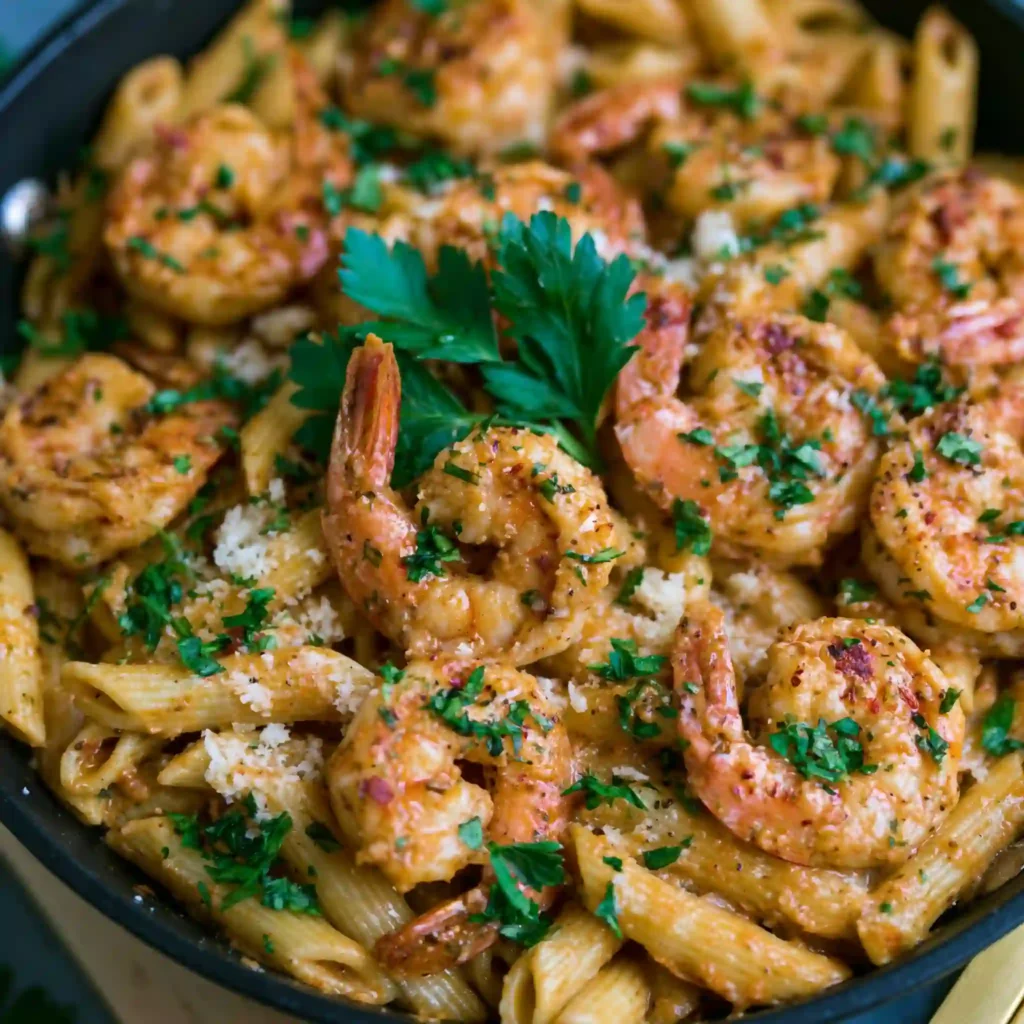
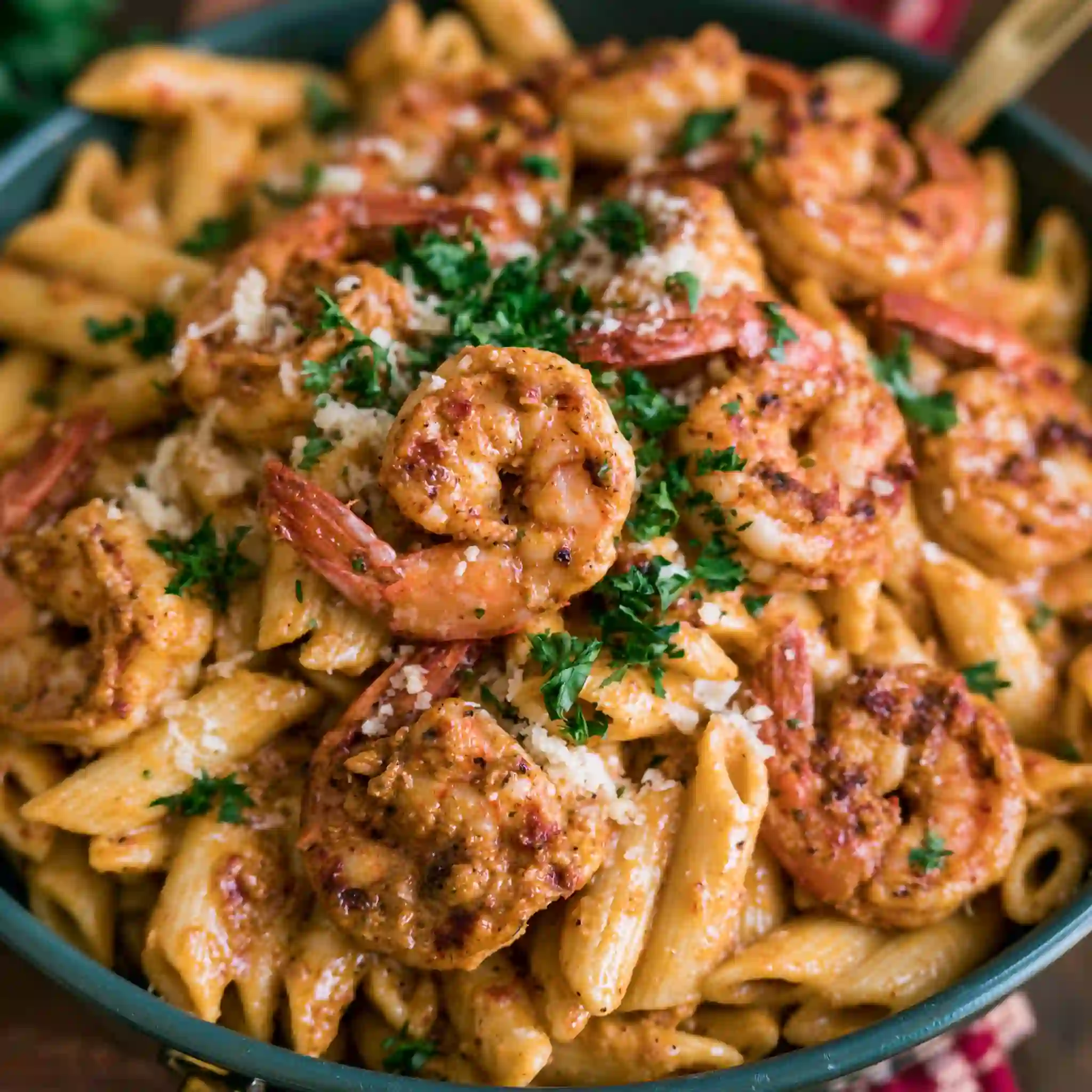
Bring it all together. Add the drained pasta and cooked shrimp back into the pan and stir to coat everything in the sauce. If it feels too thick, add the reserved pasta water a tablespoon at a time until the consistency is where you want it. Taste, then adjust salt if needed.
A Few Things That Can Go Wrong
The sauce breaks or turns grainy. This usually happens when the heat is too high when you add the parmesan. Keep it low and stir steadily as the cheese goes in.
The shrimp are rubbery. Overcooked shrimp happen fast. As soon as they curl into a loose C-shape and turn opaque, they’re done. A tight curl usually means they’ve gone too far.
The seasoning tastes flat. If you’re using a homemade Cajun blend with less salt than commercial versions, you may need to add a pinch of salt at the end. Taste before serving.
Swaps and Adjustments
The seasoning level is easy to dial back. If you want less heat, reduce the cayenne in your Cajun blend and skip or cut the red pepper flakes. You won’t lose the flavor, just the fire.
For protein, this same recipe works well with thin, pounded chicken breasts or scallops. Both cook in roughly the same time frame and carry the Cajun seasoning just as well.
For the parmesan, always grate it fresh from a block. Pre-grated cheese has anti-caking agents that prevent it from melting smoothly into the cream. If that’s all you have, mince it as fine as you can before adding it to the pan.
Storing and Reheating
Leftovers keep in the fridge for up to three days in a sealed container. When reheating, do it low and slow on the stovetop with a splash of water or cream to loosen the sauce back up. High heat will make the shrimp tough and can cause the sauce to separate.
This one doesn’t freeze particularly well — the cream sauce tends to break on thawing, and the shrimp texture suffers. It’s best eaten fresh or within a couple of days.
FAQ
Can I use a different pasta shape?
Yes. Penne works well because the sauce gets trapped inside, but rigatoni, rotini, or even fettuccine all hold up fine. Avoid very thin pasta — it can get lost in a sauce this rich.
What if I only have pre-grated parmesan?
It’ll work in a pinch, but the sauce may be slightly grainy. Mince the cheese as finely as possible before adding it, and keep the heat low when stirring it in.
Can I make this ahead of time?
The components can be prepped ahead — shrimp seasoned, cheese grated, pasta cooked and tossed with a little oil to prevent sticking. But I’d finish the sauce and combine everything right before serving. The sauce doesn’t hold well once it cools.
How do I know when the shrimp are done?
Look at the shape. A loose C means done. A tight O means overcooked. Color helps too — they should be pink and opaque all the way through with no grey or translucent spots.
There’s a certain satisfaction in a dish this quick that still tastes like you put real effort into it. Once you’ve made it once, the timing clicks, and it becomes the kind of recipe you can pull off without thinking too hard about it.

Cajun Shrimp Pasta
Ingredients
Equipment
Method
- Prior to cooking, prep all of your ingredients. You will want to add the pasta to the water around the same time you start cooking the shrimp.
- Combine the 1 pound raw shrimp with the 2 tablespoons Cajun seasoning and the 1 tablespoon olive oil in bowl. Toss to combine.
- Add 1 tablespoon kosher salt to pot of water and bring to a boil. At the same time, heat a large skillet over medium high heat.
- Add the 8 ounces penne pasta to the salted boiling water and cook to al dente doneness. Before draining, scoop out at least 1/2 cup of the cooking water. This will be reserved to thin the sauce, if needed. Drain pasta and set aside.
- As soon as you add the pasta to the water, add the 1 tablespoon butter to the skillet and melt. Add the seasoned shrimp in a single layer and cook until golden brown on each side, turning only once. You may have to cook shrimp in two batches to allow enough room. Once they are done cooking, transfer the cooked shrimp to a clean plate and reduce the heat to medium.
- Add the 1 cup heavy cream to the pan and scrape the bottom with a flat shaped wooden spoon to release any seasoning that stuck to the skillet. Allow the cream to bubble around the edges. Reduce the heat to low and stir in the 1/2 cup parmesan cheese to melt.
- Add the cooked pasta and shrimp and stir to coat. If the sauce needs to be thinned, add the reserved pasta water, one tablespoon at a time, until the desired consistency is achieved. Taste and add additional salt, if desired depending on your tastes.
Notes
- Salt level: I highly recommend making my homemade Cajun Seasoning Mix. If you use a store bought Cajun seasoning blend, which most likely contains much more salt than I use in my blend, you should start with a small amount, taste, and continue to add to your liking. Note: because my seasoning blend is purposely less-salty, you may need to add additional salt to your serving depending on your tastes.
- Cajun Seasoning: You can decrease the amount of spice by lowering the amount of Cayenne Pepper and/or red pepper flakes.
- Protein variations: I often like to make this exact same recipe but with a flattened tenderized chicken breast or wild caught scallops. Both are delicious.
- Parmesan cheese: It is highly recommended that you grate the cheese from a block using a microplane. It will melt instantly in the cream. If you have pre-grated, I recommend mincing it as fine as you can.
- Double the recipe! You can click the 2x button and it will scale the ingredients to double the recipe. I always double it to feed my hungry family of four with leftovers to spare. My homemade Cajun mix will make 4 Tablespoons of seasoning which is the exact amount needed if you choose to double this Cajun Shrimp Pasta Recipe.
Calories: 429kcal | Carbohydrates: 30g | Protein: 24g | Fat: 22g | Saturated Fat: 12g | Cholesterol: 255mg | Sodium: 1919mg | Potassium: 235mg | Fiber: 2g | Sugar: 1g | Vitamin A: 1855IU | Vitamin C: 3.3mg | Calcium: 247mg | Iron: 2.7mg