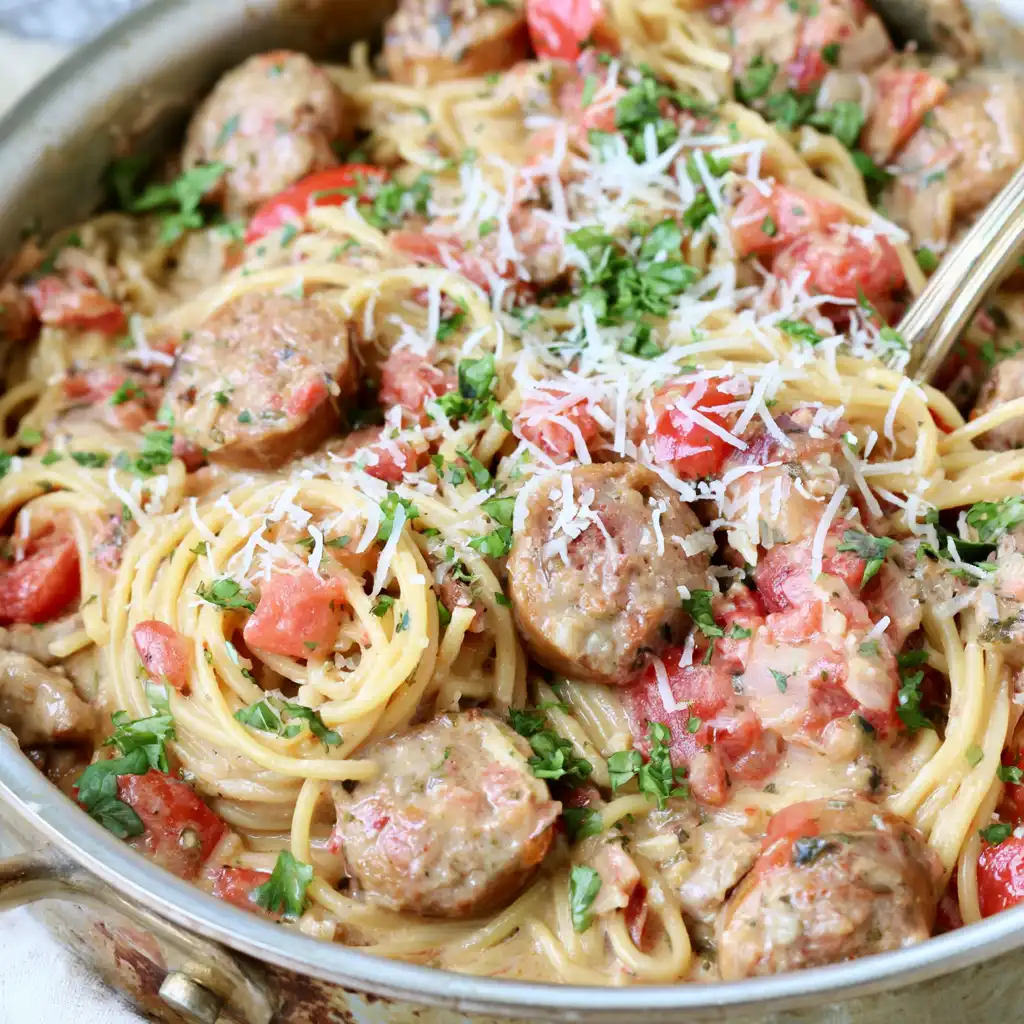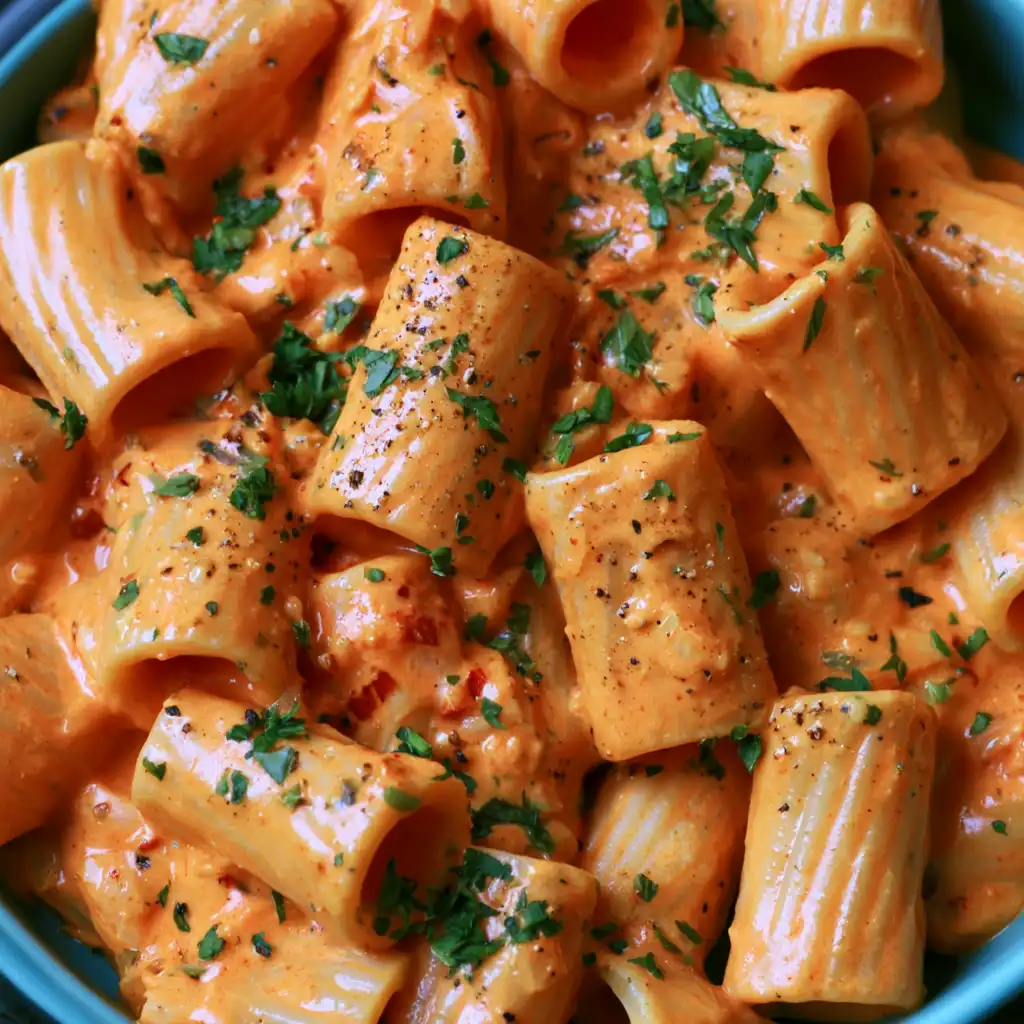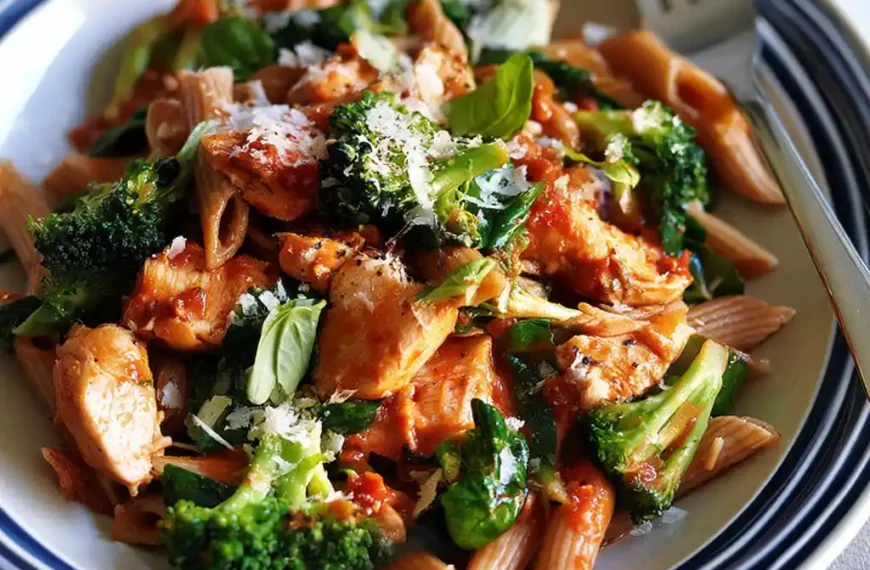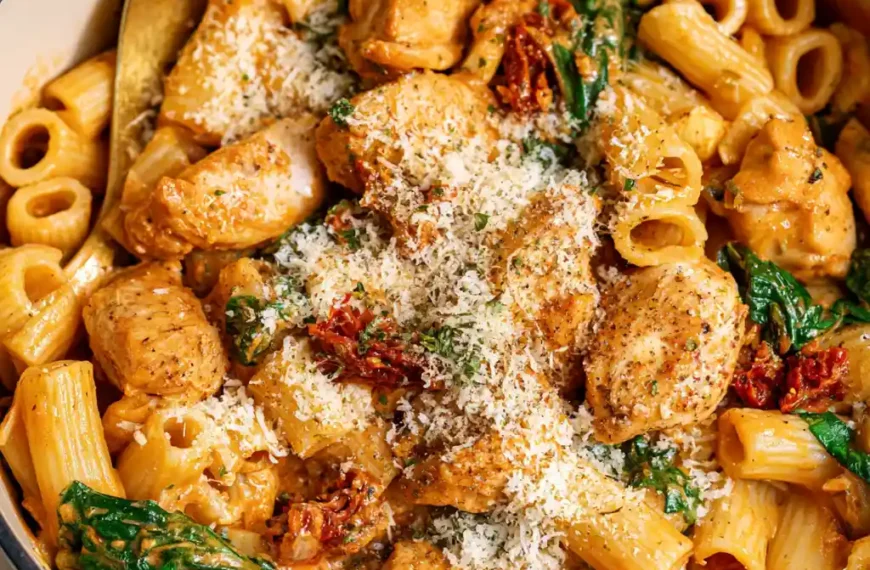
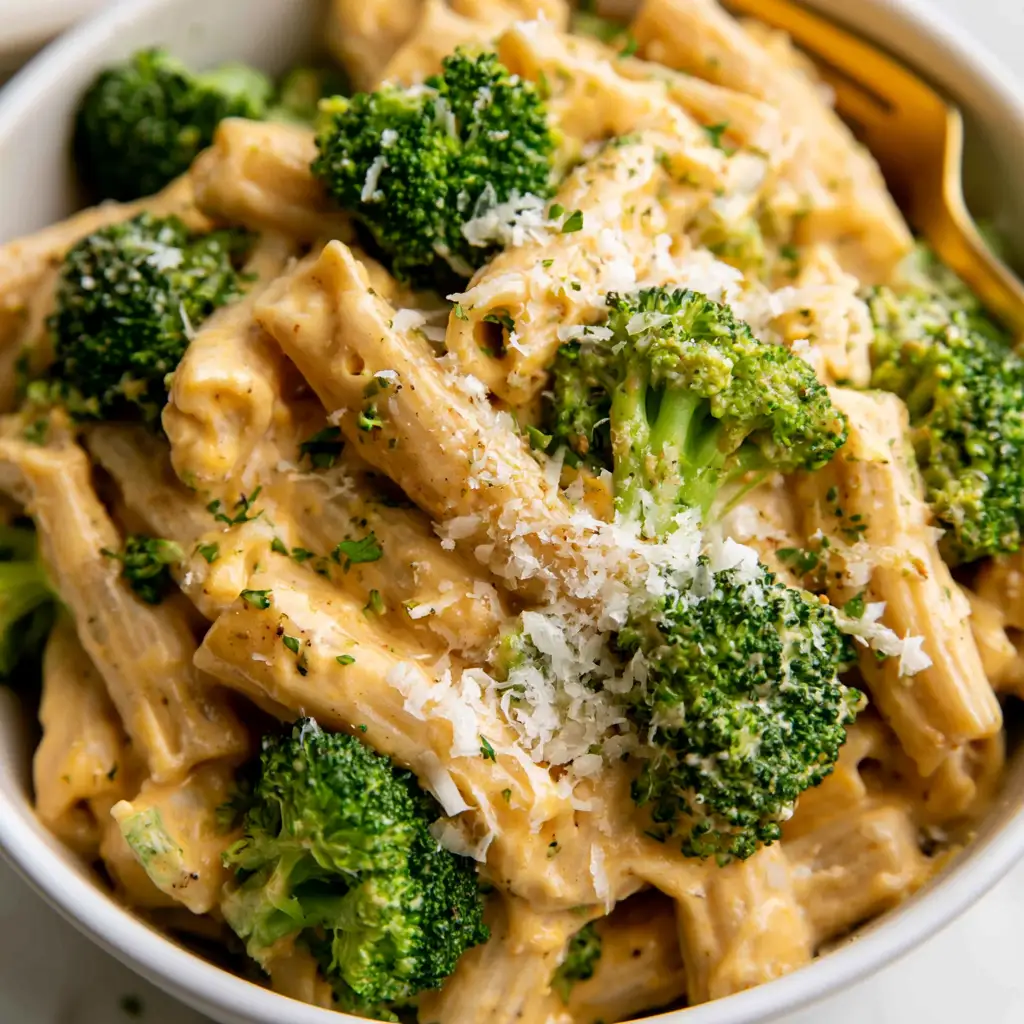
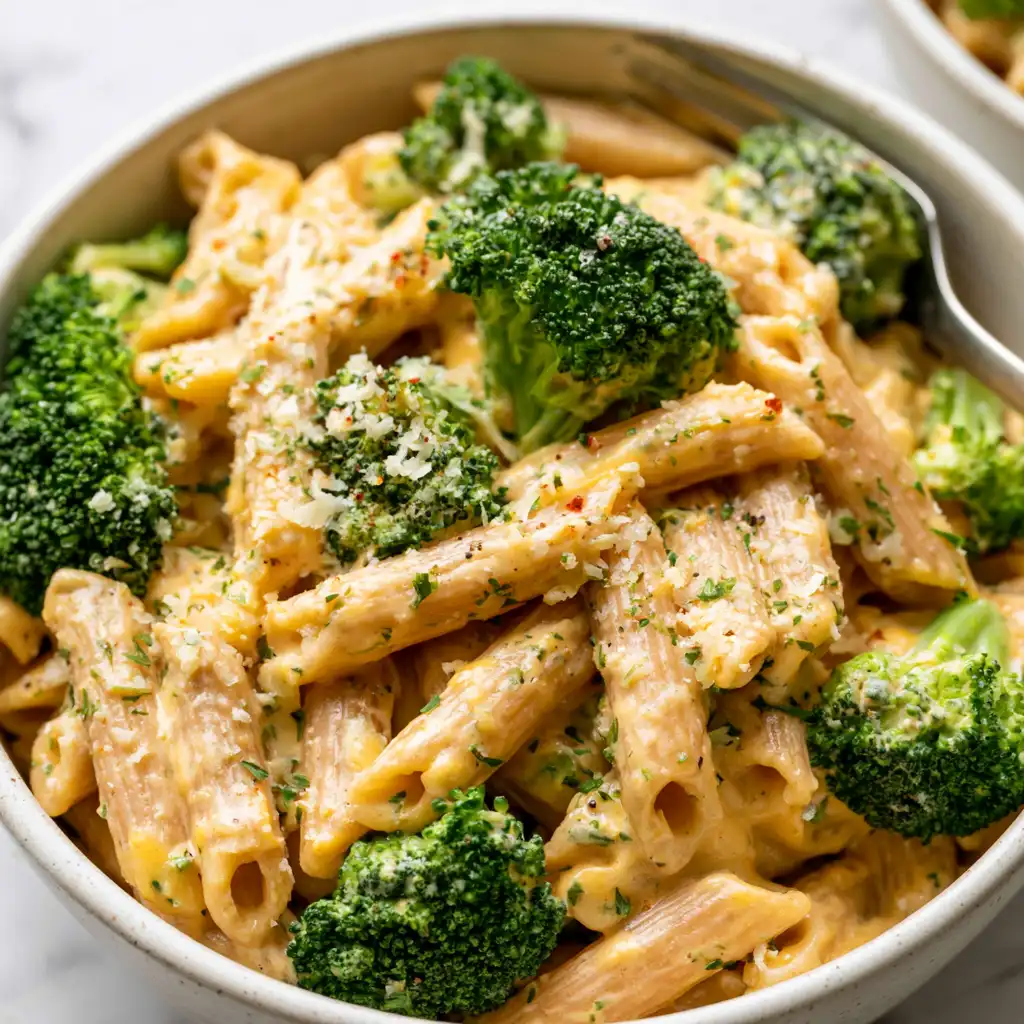
Broccoli cheddar pasta is one of those dinners I come back to when I want something filling, warm, and dependable without spending all evening at the stove. It comes together in one steady flow, and the timing works in your favor so nothing sits too long or overcooks. The sauce is creamy but not heavy, and the broccoli keeps it from feeling one-note.
Why this recipe works
This recipe balances three things: tender pasta, lightly cooked broccoli, and a cheese sauce that stays smooth instead of clumping. Blanching the broccoli right in the pasta water saves a step and keeps the texture just right—soft enough to eat easily, but not mushy.
The sauce builds in layers. Butter and garlic start it off, flour gives it body, and the broth plus half and half create a base that holds the cheese without breaking. I keep the heat low once the liquid goes in because that’s what keeps the cheese from turning grainy.
Ingredients
- 10 ounces gluten free pasta
- 4 cups chopped broccoli
- 2 tablespoons butter
- 1 tablespoon minced garlic
- 2 ½ tablespoons gluten free all purpose flour
- ½ teaspoon onion powder
- ¼ teaspoon paprika
- ½ teaspoon salt
- ½ teaspoon black pepper
- 1 cup chicken or veggie broth
- 1 cup half and half
- 1 ½ cups shredded sharp cheddar cheese
- ¼ cup grated parmesan cheese
Ingredient notes that matter
The broccoli size makes a difference. I like to chop it unevenly—some small bits that almost melt into the sauce, and some larger pieces that hold their shape. That mix gives better texture in each bite.
For the cheese, shredding it yourself is worth the extra minute. Pre-shredded cheese often has a coating that keeps it from melting smoothly, which can leave the sauce slightly gritty instead of silky.
How to make broccoli cheddar pasta
Start with a large pot of salted water and bring it to a boil. Cook the gluten free pasta according to the package instructions. Stay nearby toward the end, because timing matters here.
During the last 90 seconds of cooking, add the chopped broccoli directly into the same pot. This quick blanch softens it just enough while keeping the color bright. Drain everything together and set it aside. If it sits for a few minutes, that’s fine—it will warm back up in the sauce.
In a separate pot, melt the butter over medium heat. Once it’s fully melted, add the minced garlic. Cook it for 1 to 2 minutes, just until it turns lightly golden. If it browns too much, it can taste bitter, so keep an eye on it.
Add the gluten free flour and whisk right away. You’re looking for a smooth paste with no dry spots. This step builds the base of the sauce, so take a few seconds to get it evenly combined.
Mix in the onion powder, paprika, salt, black pepper, and broth. Stir until everything is fully blended, then reduce the heat to low. Slowly pour in the half and half while whisking. Adding it gradually helps the sauce stay smooth and prevents lumps.
Now add the cheddar and parmesan cheese. Keep the heat low and whisk steadily until the cheese melts completely and the sauce thickens. If the heat is too high, the cheese can separate, so patience here pays off.
Once the sauce is smooth, remove the pot from heat. Add the drained pasta and broccoli, then stir until everything is evenly coated. The sauce should cling to the pasta without pooling at the bottom.
Finish with a little extra black pepper if you like a bit more bite.
Doneness and texture cues
The pasta should be tender but still hold its shape. Gluten free pasta can go from perfect to too soft quickly, so it’s worth checking a minute early.
The broccoli should be easy to bite through but not falling apart. If it turns dull green, it stayed in the water too long.
The sauce should look glossy and thick enough to coat the back of a spoon. If it feels too thick after mixing, a small splash of broth can loosen it without changing the flavor much.
Common mistakes and how to avoid them
One of the most common issues is grainy cheese sauce. This usually happens when the heat is too high or the cheese is added too quickly. Keep the heat low and stir steadily as it melts.
Another issue is clumpy sauce. That often comes from not fully whisking the flour into the butter at the start. Take an extra moment there so the base is smooth before adding liquid.
Overcooked broccoli can make the whole dish feel soft and flat. Adding it only at the end of the pasta cooking time keeps it from going too far.
Substitutions and adjustments
You can use chicken or veggie broth depending on what you have. Both work well, though chicken broth adds a slightly deeper flavor.
Sharp cheddar is important here because it brings enough flavor to carry the sauce. Mild cheddar will work, but the overall taste will be less pronounced.
If you want a slightly lighter sauce, you can reduce the cheese just a bit, but keep the ratio close so the texture stays balanced.
Serving ideas
This makes about 4 servings and stands well on its own.
- Add grilled chicken or rotisserie chicken if you want more protein.
- Stir in a handful of peas for extra vegetables without changing the flavor much.
- Serve alongside a simple green salad for contrast.
Storage and reheating
Leftovers keep well in the fridge for a couple of days. The sauce will thicken as it sits, which is normal.
To reheat, add a splash of broth or milk and warm it gently on the stove or in the microwave. Stir partway through so the sauce loosens evenly.
FAQ
Can I use regular pasta instead of gluten free?
Yes, regular pasta works the same way. Just follow the package instructions and keep the broccoli timing the same.
Why did my cheese sauce turn grainy?
This usually means the heat was too high or the cheese was added too fast. Lower heat and slower mixing help keep it smooth.
Can I make this ahead of time?
You can, but it’s best fresh. If making ahead, reheat gently with added liquid to bring the sauce back to the right consistency.
Can I freeze it?
Cream-based sauces don’t always freeze well. The texture can change when thawed, so I prefer making it fresh or storing it in the fridge for short-term use.
This is the kind of meal that fits easily into a weeknight without feeling rushed. Once you’ve made it a couple of times, the rhythm becomes second nature, and it’s one you can rely on when you want something steady and satisfying.

Broccoli Cheddar Pasta
Ingredients
Method
- Bring a large pot of salted water to a boil and cook pasta according to package instructions.
- During the final 90 or so seconds of cooking, add in the broccoli to the pot and let blanch with the pasta. I like to chop the broccoli in various sizes- some very small, some a bit larger. Drain and set aside.
- In another pot, melt the butter over medium heat and add the garlic. Saute for 1-2 minutes or until just golden.
- Add in the flour and whisk until well combined.
- Mix in the spices, salt, pepper and broth. Reduce heat to low and slowly add in the half and half.
- Whisk in the cheddar and parmesan cheese and remove from heat. Continue whisking until the cheese has melted and the sauce is thick.
- Stir in the pasta and broccoli until well coated. Garnish with extra black pepper and enjoy!
Notes
Serving: 1bowl / Calories: 608kcal / Carbohydrates: 68g / Protein: 20g / Fat: 28g / Sodium: 809mg / Fiber: 5g / Sugar: 4g