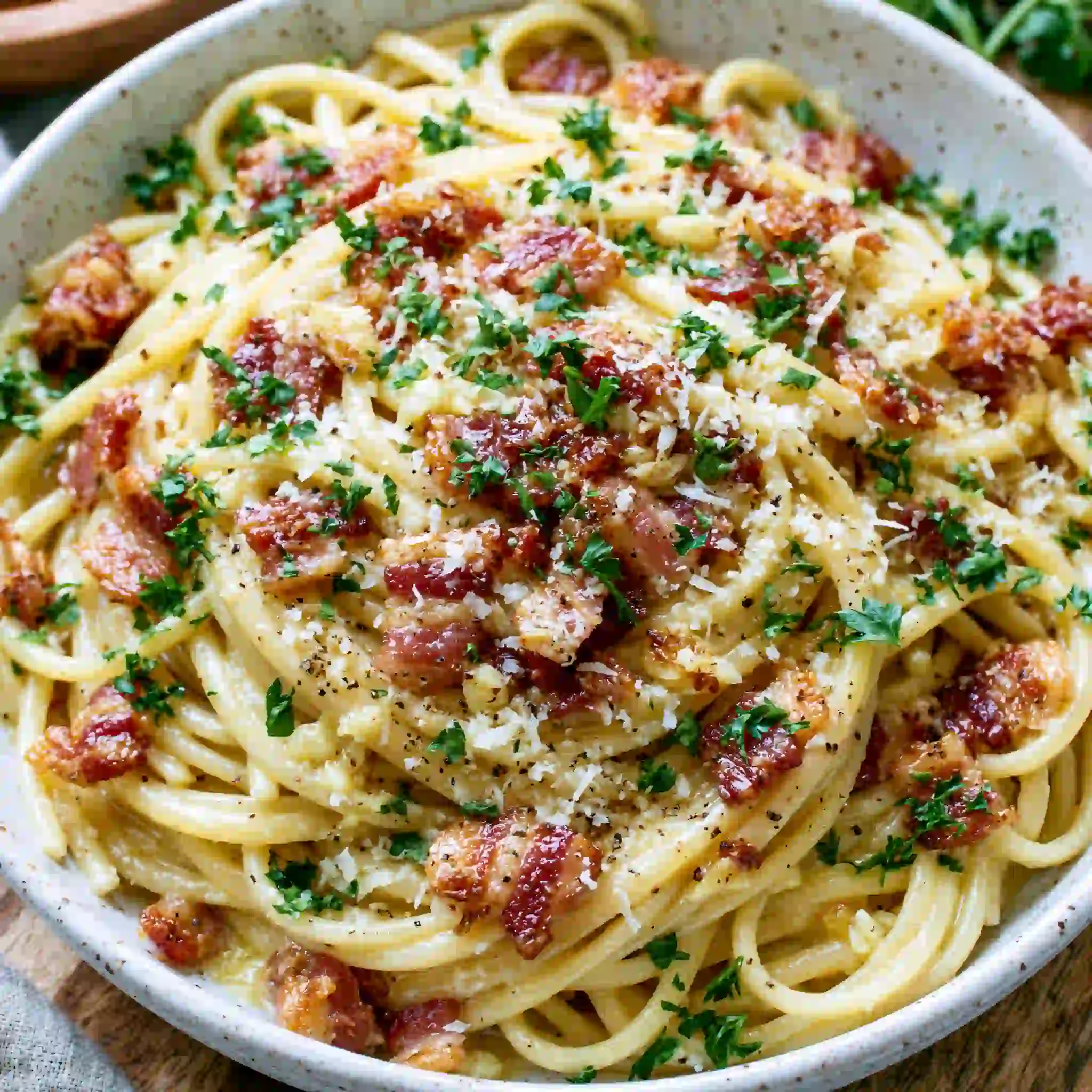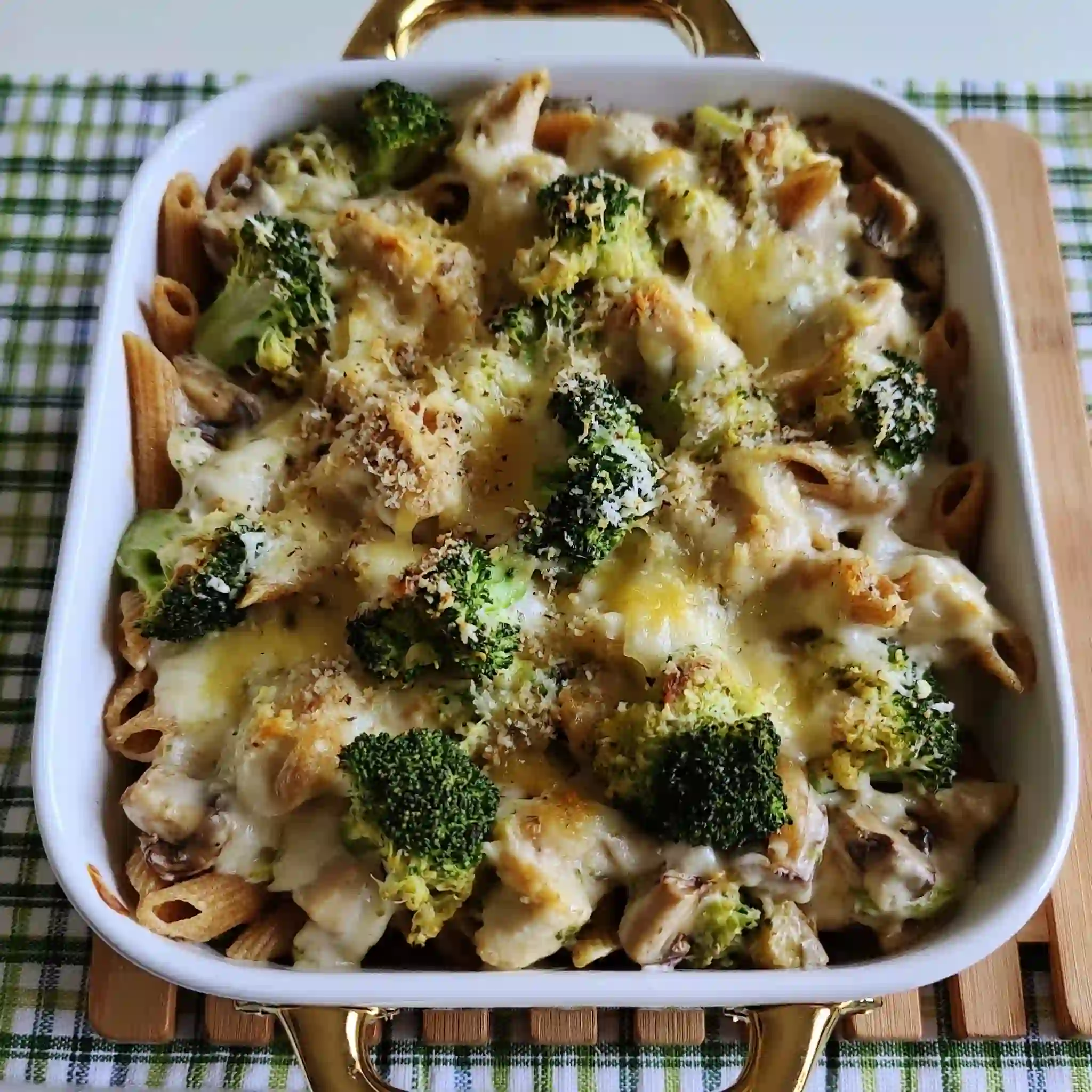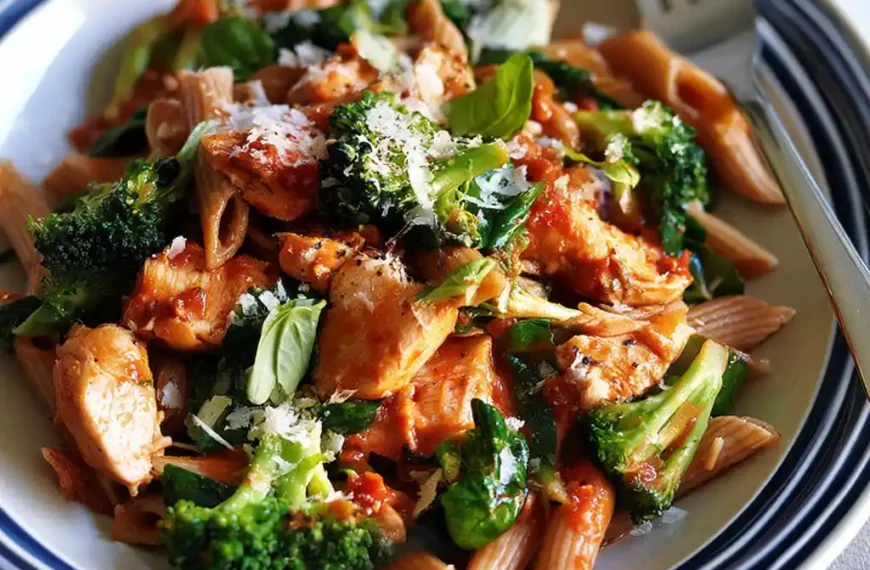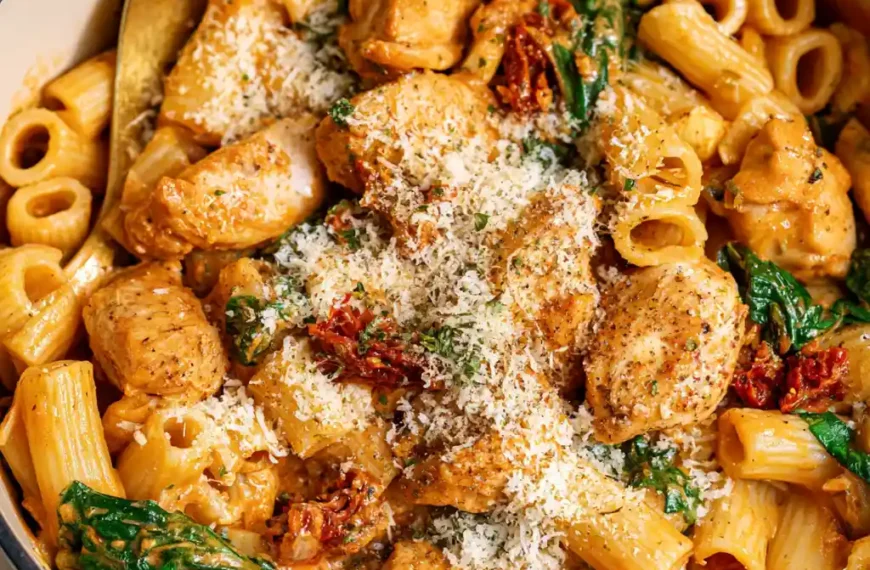
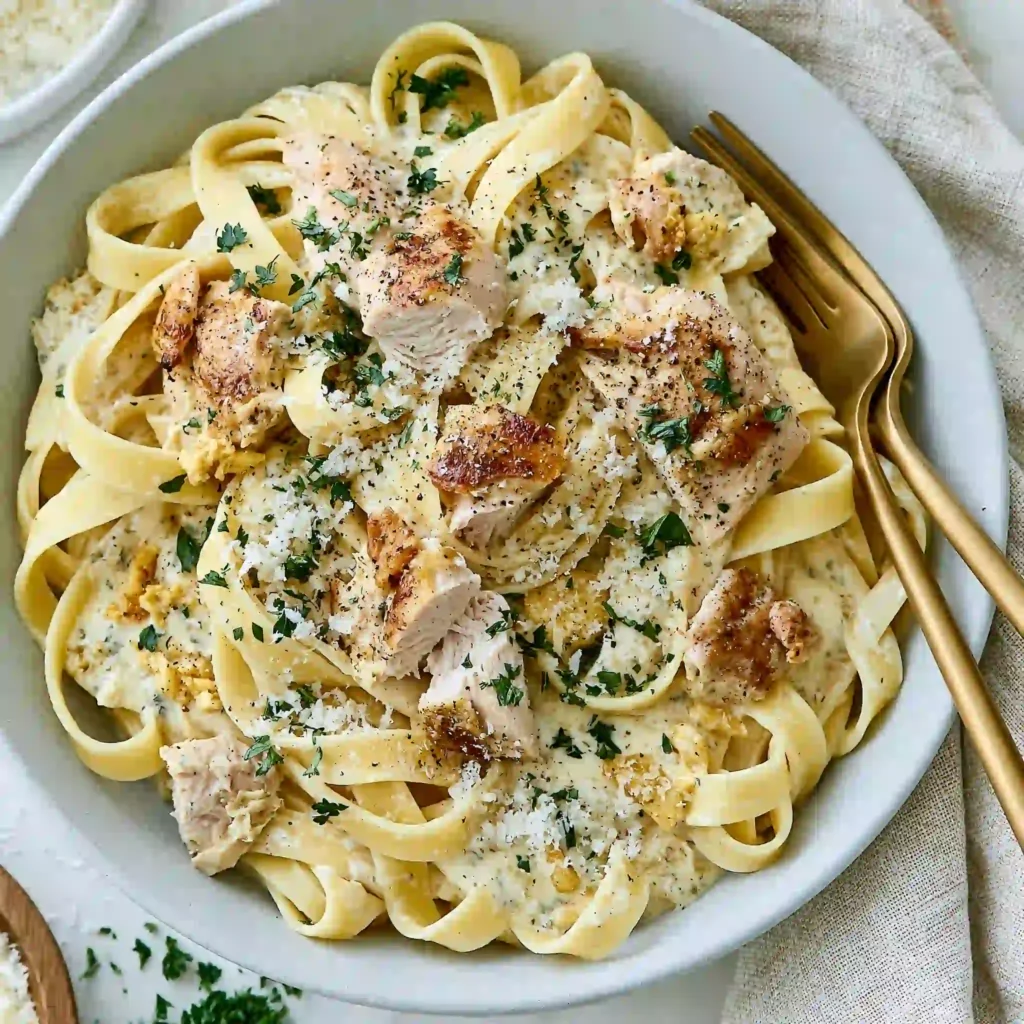
There’s a point where a creamy pasta stops being comforting and starts feeling heavy. Chicken Alfredo Pasta sits right on that edge, so the way you build the sauce matters. When it’s done right, the sauce stays smooth and coats the pasta without turning thick or sticky, and the chicken stays tender instead of dry.
I come back to this version when I want something rich but still balanced. The chicken is seasoned simply, the sauce is built in the same pan, and everything comes together quickly while the pasta is still hot. This makes about 6 servings.
Why This Recipe Holds Together
The chicken cooks first, which gives you flavorful browned bits and a base for the sauce. But those bits can turn bitter if they burn, so wiping the pan before starting the sauce keeps the flavor clean.
The Alfredo sauce relies on butter, cream, and Parmesan, but timing is what keeps it smooth. The cream reduces slightly before the cheese goes in, so the sauce thickens without needing flour. Taking the pan off the heat before adding the cheese helps it melt evenly instead of clumping.
Cooking the pasta separately and tossing it directly into the sauce while hot makes a difference. The heat helps everything bind together, and the pasta absorbs just enough of the sauce to feel cohesive rather than coated.
Ingredients You’ll Need
Chicken:
- 21 teaspoon garlic powder
- 21 teaspoon onion powder
- Salt and freshly ground black pepper
- 1 pound (450 g) boneless, skinless chicken breasts (about 2 breast halves)
- Extra virgin olive oil
Alfredo sauce:
- 8 tablespoons (113 g) butter, cut into cubes
- 2 cups (475 ml) heavy whipping cream
- 1 finely chopped garlic clove
- 41 teaspoon salt
- 43 cup grated Parmesan cheese
Serving:
- 8 ounces (225 g) fettuccine pasta or other long pasta shape such as linguine, pappardelle, or tagliatelle
- 41 cup grated Parmesan cheese
- 2 tablespoons chopped parsley
Season and Cook the Chicken
Bring a large pot of water to a boil and salt it generously, about 1 tablespoon of salt per quart of water. This is your only chance to season the pasta itself, so don’t skip it.
In a small bowl, stir together the garlic powder, onion powder, 21 teaspoon salt, and about 41 teaspoon black pepper. Sprinkle the seasoning evenly over both sides of the chicken breasts. If you want to get ahead, you can season the chicken and refrigerate it for up to 8 hours.
Heat a large 10- to 12-inch skillet over medium-high heat until a drop of water sizzles when it hits the surface. Add about 1 tablespoon of olive oil and swirl to coat the pan. Place the chicken in the skillet and cook until the first side turns golden brown, about 2 to 3 minutes.
Flip the chicken and cook the second side for another 2 minutes. Then lower the heat to medium, cover the pan, and cook for 3 to 5 more minutes. The chicken should feel firm when pressed and be cooked through. Transfer it to a cutting board to rest.
Take a quick look at the skillet. If there are dark or burned bits, wipe them out before moving on. This keeps the sauce from picking up any bitterness.
Cook the Pasta
While the chicken cooks, add the fettuccine to the boiling water and cook until al dente, about 8 to 10 minutes. Stir occasionally so the strands don’t stick together.
Drain the pasta in a colander and give it a quick shake to remove excess water. Don’t let it sit too long, because you want it hot when it meets the sauce.
Build the Alfredo Sauce
Return the skillet to medium-high heat. Add the cubed butter and let it melt completely. Once the butter stops bubbling, pour in the heavy cream. Add the finely chopped garlic clove and 41 teaspoon salt.
Bring the cream to a low boil, then let it cook, stirring occasionally, until it begins to reduce and thicken slightly. This usually takes about 5 minutes. You’re looking for a gentle change in texture, not a heavy reduction.
Remove the skillet from the heat and stir in 43 cup grated Parmesan cheese. Stir until the sauce looks smooth. If the cheese goes in while the pan is too hot, it can turn grainy, so giving it a moment off heat helps.
Bring Everything Together
Add the drained pasta directly to the skillet. Use tongs to toss it through the sauce until every strand is coated. The pasta should move easily and look glossy rather than thick or clumped.
Slice the rested chicken into 21-inch pieces. Arrange it over the pasta and pour in any juices that collected on the cutting board. Those juices carry flavor and help keep the chicken moist.
Sprinkle the remaining 41 cup Parmesan cheese and chopped parsley over the top. Serve right away while the sauce is still smooth and warm.
Getting the Texture Right
If the sauce feels too thick when tossing the pasta, a small splash of warm cream or even a bit of pasta water can loosen it. Add liquid gradually and toss as you go.
If the sauce looks thin, let the pasta sit in the skillet for a minute and toss again. The pasta absorbs some of the liquid, and the sauce tightens slightly as it cools.
If the chicken turns out dry, it likely stayed on the heat too long. Pull it as soon as it feels firm, then let it rest. That short resting time helps the juices redistribute.
Ingredient Notes and Adjustments
Fettuccine is the traditional choice because its wide shape holds the sauce well, but linguine, pappardelle, or tagliatelle all work. Choose what you have, just keep the amount the same.
Use freshly grated Parmesan if possible. It melts more smoothly into the sauce than pre-grated cheese and gives a cleaner flavor.
If you prefer a stronger garlic presence, you can add an extra clove, but keep it balanced. Too much garlic can overpower the cream and cheese.
Serving Ideas
This pasta is rich, so I usually pair it with something crisp or lightly cooked. A simple green salad with a sharp dressing works well, or steamed vegetables like broccoli or green beans.
If you want something warm on the side, a slice of plain bread is enough to catch any extra sauce without competing with the dish.
Storage and Reheating
Refrigerate leftovers for up to 3 days. The pasta will absorb some of the sauce as it sits, so it may look thicker the next day.
Reheat in a skillet over low heat. Add a splash of chicken stock or more cream to loosen the sauce, and stir gently until warmed through. Avoid high heat, which can cause the sauce to separate.
Questions About Chicken Alfredo Pasta
Can I cook the chicken ahead of time?
Yes. Cook and slice it, then store it in the refrigerator. Reheat it gently and add it to the pasta just before serving.
Why is my Alfredo sauce grainy?
This usually happens if the cheese is added while the sauce is too hot or if the cheese isn’t finely grated. Remove the pan from heat before adding the cheese and stir until smooth.
Can I use a different pasta shape?
Yes. Any long pasta like linguine, tagliatelle, or pappardelle works well. Short pasta can work too, but it won’t hold the sauce the same way.
How do I keep the sauce from getting too thick?
Add a small amount of warm cream or pasta water while tossing the pasta. The sauce should stay smooth and coat the noodles without clumping.
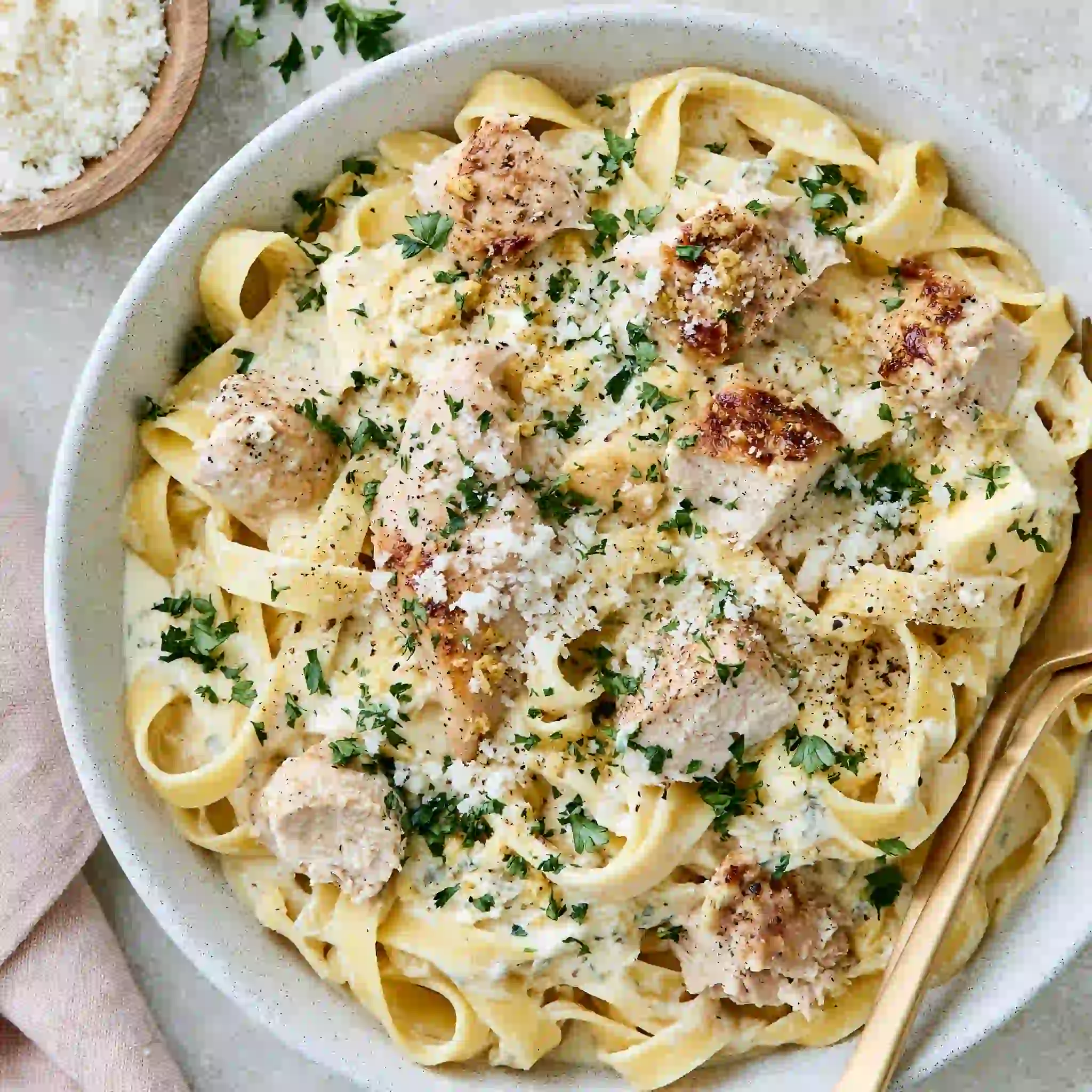

Chicken Alfredo Pasta
Ingredients
Method
- Bring a large pot of water to a boil for the pasta, and salt it generously (1 tablespoon salt per quart of water)
- Season and cook the chicken
- Stir together ½ teaspon garlic powder, ½ teaspoon onion powder, ½ teaspoon salt and about ¼ teaspoon of fresh black pepper in a small bowl until combined. Sprinkle the mixture evenly on both sides of 1 pound boneless, skinless chicken breasts. (The chicken can be seasoned and refrigerated up to 8 hours ahead).
- Place a large (10-12-inch) skillet over medium-high heat until a drop of water sizzles on contact. Drizzle in a layer of oil (about 1 tablespoon) and swirl it around to coat the bottom of the pan. Add the chicken breasts and cook until the first side is golden brown, 2-3 minutes. Flip the chicken over and cook on the second side another 2 minutes.
- Turn the heat down to medium and cover the pan. Cook 3-5 minutes, or until the chicken feels firm to the touch and is cooked through. Remove the chicken to a cutting board to rest while you cook the sauce. Wipe out the pan if it has any burned or dark bits in it.
- While the chicken is cooking, add 8 ounces fettuccine pasta to the boiling water and cook until al dente, 8-10 minutes. Pour into a colander and shake to drain excess water.
- Make the Alfredo sauce
- Wipe out any browned bits from the skillet, if needed. Turn the heat up back up to medium-high. Add 8 tablespoons butter cut into cubes to the skillet. When the butter is melted and no longer bubbling, add 2 cups heavy whipping cream, 1 finely chopped garlic clove¼ teaspoon salt. Bring the cream to a low boil and cook, stirring occasionally, until it begins to reduce and thicken — it should take about 5 minutes. Remove the pan from the heat and stir in ¼ cup grated Parmesan cheese until the sauce looks smooth.
- Serving
- Add the cooked, drained pasta to the skillet, using tongs to toss it around in the sauce until it’s coated. Transfer to a serving bowl, or keep it in the skillet for serving, if you like.
- Slice the chicken into ½-inch pieces and arrange over the pasta, adding in any juices that might have exuded while it was resting. Sprinkle the Parmesan and parsley over and serve right away.
Notes
- Refrigerate any leftovers up to 3 days. Keep in mind that the sauce will be absorbed by the pasta as it sits. Reheat in a skillet until warm, with enough chicken stock or more cream to loosen the sauce.
Calories: 879kcal
Carbohydrates: 49g
Protein: 44g
Fat: 56g
Sodium: 791mg
Fiber: 2g
Sugar: 6g