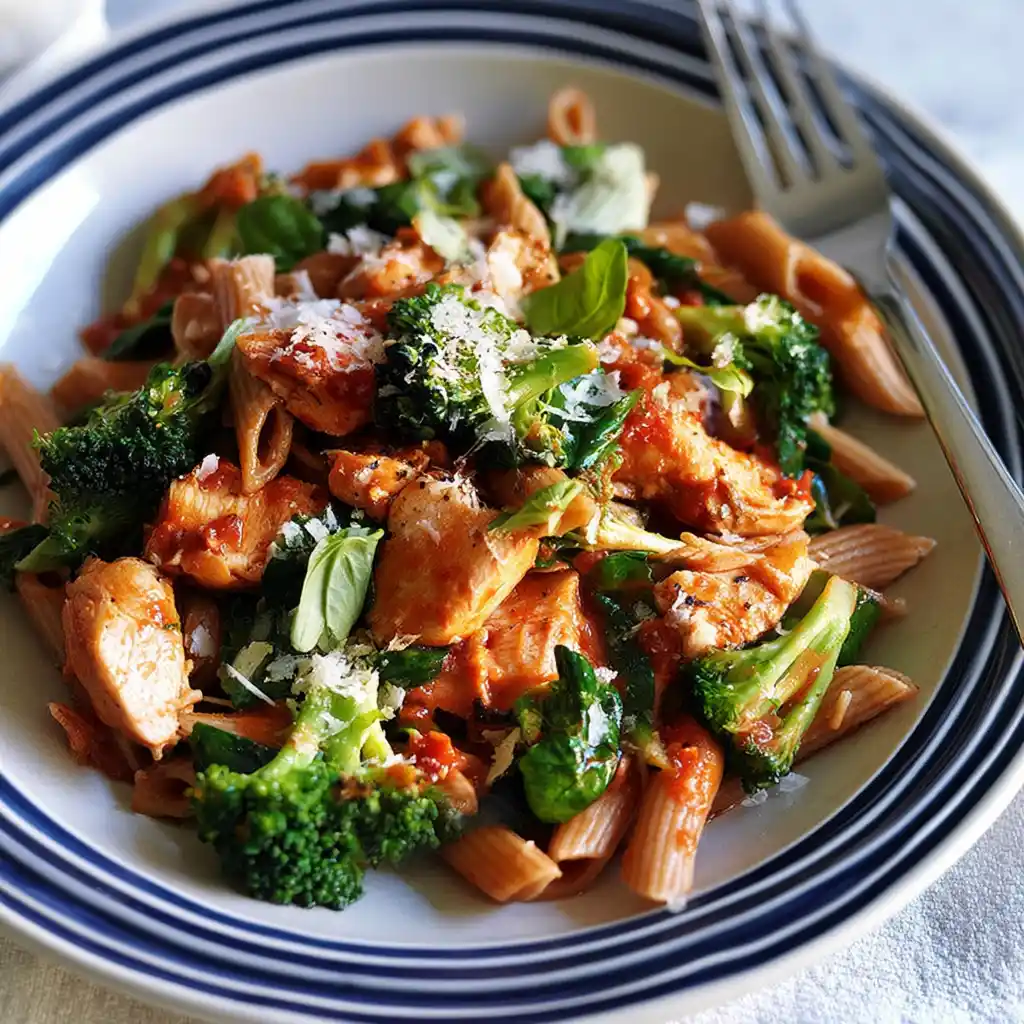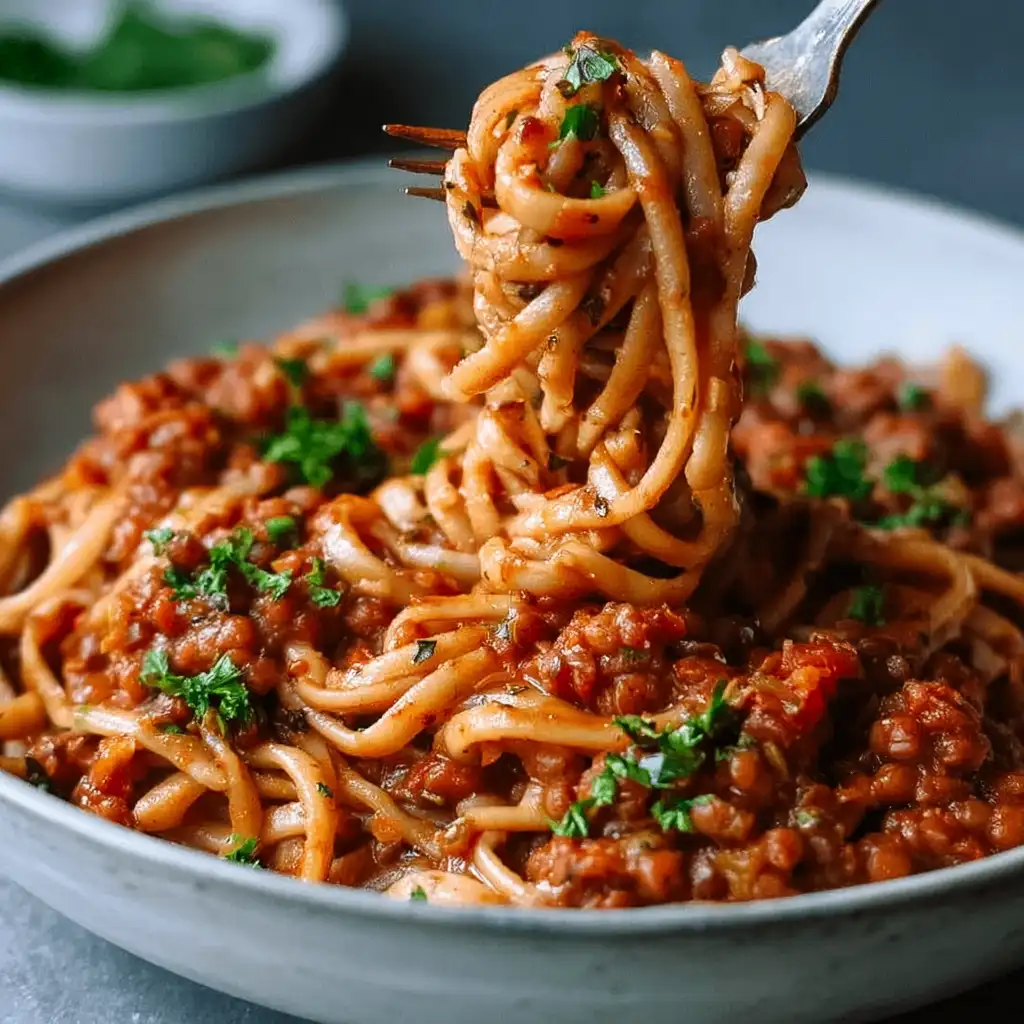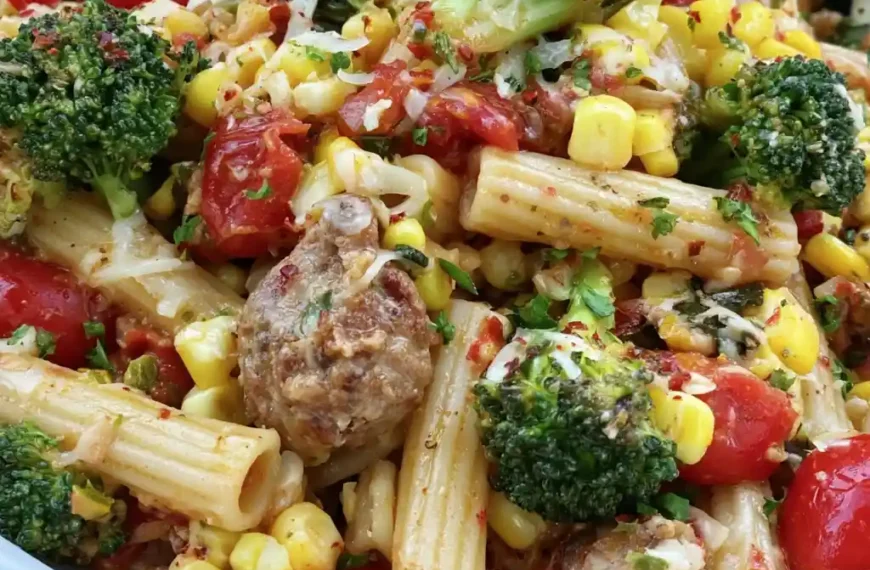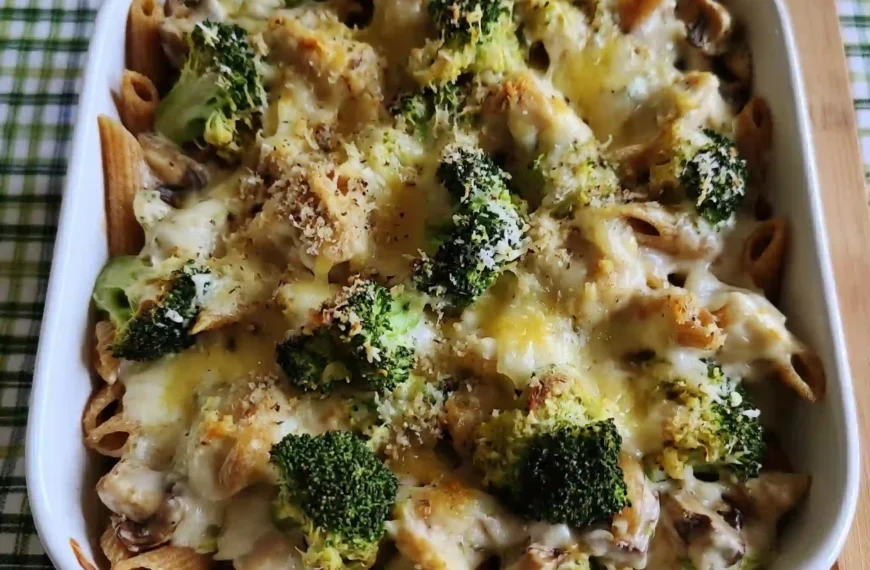
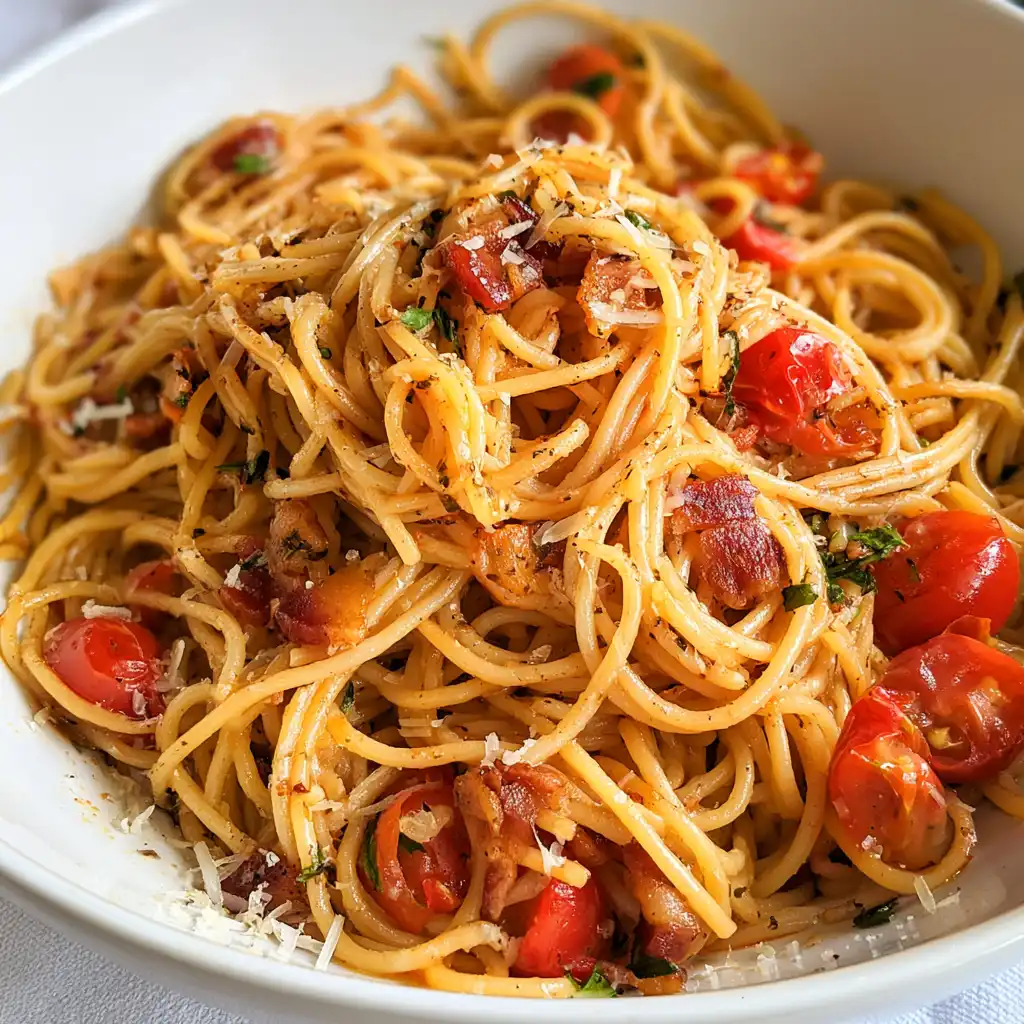
Leftover spaghetti gets a second life in this quick skillet dish that turns yesterday’s pasta into something crisp, savory, and entirely new. The method relies on high heat, a little fat, and just enough cheese to bind everything without turning mushy. This version produced the most consistent results when testing different approaches to reheating cooked spaghetti.
What This Recipe Does
This is a controlled way to transform cooked spaghetti into a cohesive, lightly browned skillet meal. The goal isn’t to recreate a sauced pasta dish but to give the noodles a chance to develop texture while pulling in flavor from bacon, onion, tomatoes, and cheese. Most failures happened at the stage where the pasta was added too early or the heat was too low, resulting in a soggy mess rather than something with bite.
The recipe yields about 4 servings. It scales cleanly if you have more leftovers, though the pan size may need to increase to avoid crowding.
Ingredients and Why They Matter
- 1 lb cooked spaghetti — Any cooked pasta works, but spaghetti’s long strands crisp nicely when halved and fried. If starting from scratch, cook about 9 oz (250 g) pasta, drain well, and let it cool and dry slightly before frying.
- 1 medium onion, finely chopped — Provides sweetness and body. Finely chopping ensures it softens quickly without burning.
- 1 ½ tablespoon olive oil + 1 tablespoon butter — The oil raises the smoke point while the butter adds flavor. Letting the butter foam gently before adding solids prevents scorching.
- 3 oz lean bacon, chopped — Adds salt, fat, and smokiness. Already cubed bacon or pancetta works. For a vegetarian version, replace with vegetable cubes like zucchini, eggplant, mushrooms, bell peppers, broccoli florets, or carrots, cooked with the onions until soft. Garlic can be added if desired.
- 8 oz cherry tomatoes, halved — Cherry tomatoes hold their shape better and carry more flavor than regular tomatoes when cooked quickly. Regular tomatoes can be chopped and used if that’s what’s on hand.
- 1 teaspoon oregano — Dried oregano stands up to high heat better than fresh. It adds an herbal backbone without dominating.
- 1 cup grated cheese — Cheddar or Gouda are first choices for melt and flavor. Swiss, Provolone, Colby, Monterey Jack, a mozzarella-Parmesan mix, or even Feta work if they melt well.
- ¼ teaspoon fine sea salt or Kosher, more to taste — Bacon and cheese already contribute salt, so start low and adjust at the end.
- ⅛ teaspoon ground black pepper, to taste — Adds a mild bite. For a spicier dish, red chili flakes or cayenne pepper can be added to taste.
The Method, Step by Step
- Prep the solids. Finely chop the onion. If the bacon isn’t already cubed, chop it into small pieces. Set both aside. This keeps the cooking sequence tight once the pan is hot.
- Heat the pan. Place a large cast-iron or nonstick skillet over high heat. Add the olive oil and butter. Let the butter foam gently; this signals that the fat is hot enough to start searing without burning immediately.
- Cook onion and bacon. Add the chopped onion and bacon to the hot fat. Lower the heat to medium-low and cook for about 3 minutes, stirring regularly, until the onions soften and the bacon begins to render. This step builds the flavor base without letting the onions brown too deeply.
- Add tomatoes and oregano. Halve the cherry tomatoes and add them to the pan along with the oregano. Cook for about 2 minutes, stirring occasionally, just until the tomatoes begin to soften and release some juice. This keeps them from turning to mush while still contributing moisture.
- Introduce the spaghetti. Add the cooked spaghetti to the pan. If the strands are very long, halving them before adding makes stirring easier and improves browning. Stir well for about 4–5 minutes until the pasta is heated through and begins to pick up light color from the pan. This is where texture develops; letting the pasta sit briefly between stirs helps it crisp.
- Melt in the cheese. Add the grated cheese, salt, and pepper. Stir well for another 2–3 minutes until the cheese melts and coats the pasta. The cheese acts as both flavor and binder, pulling the components together.
- Adjust and serve. Taste and adjust with more salt or pepper if needed. Serve immediately while the pasta is still hot and the cheese is fully melted.
Common Failure Points and How to Avoid Them
- Soggy pasta. This happened when the heat was too low or the pan was overcrowded. Use a large skillet and keep the heat at medium to medium-high once the onions and bacon are in. Let the pasta sit briefly between stirs to allow browning.
- Burnt onions or butter. Adding solids before the butter has foamed or keeping the heat on high for too long can scorch the fat. Let the butter foam gently, then reduce to medium-low for the onion-bacon step.
- Cheese clumping. Adding cheese before the pasta is fully heated can cause uneven melting. Ensure the spaghetti is hot throughout before stirring in the cheese, and keep stirring until it fully incorporates.
- Bland result. Bacon and cheese contribute salt, but if the onions or tomatoes were very mild, the dish can taste flat. Adjust with a pinch more salt or a dash of pepper at the end. For more depth, a small splash of broth or a teaspoon of tomato paste can be stirred in with the tomatoes.
Variations That Held Up in Testing
- Vegetable-forward version. Replacing bacon with a mix of diced zucchini, mushrooms, and bell peppers produced a lighter but still satisfying dish. Cook the vegetables with the onions until soft, then proceed as written.
- Spicier profile. Adding red chili flakes or cayenne with the oregano gave a noticeable kick without overwhelming the other flavors. Start with ¼ teaspoon and adjust.
- Different cheeses. Swiss and Provolone melted cleanly and added a mild nuttiness. Feta introduced a tangy note but didn’t melt as uniformly, so it worked best when combined with a more meltable cheese.
Serving Notes
This skillet spaghetti works as a quick dinner on its own or alongside a simple green salad. It also pairs well with crusty bread for scooping up any browned bits left in the pan. For a more substantial meal, a fried egg on top adds protein and richness.
Storage and Reheating
Leftovers keep in a sealed container in the refrigerator for up to 3 days. Reheat in a skillet over medium heat with a small splash of water or broth to loosen the pasta and prevent sticking. Microwaving works but tends to soften the texture further.
Freezing isn’t recommended for this preparation. The pasta and cheese combination tends to separate and become grainy after thawing.
FAQ
Can I use a different type of pasta?
Yes. Any cooked pasta works, though shorter shapes like penne or fusilli may not crisp in the same way as halved spaghetti strands.
What if I don’t have leftover pasta?
Cook about 9 oz (250 g) pasta, drain well, and let it cool and dry slightly before frying. This helps it brown rather than steam in the pan.
Can I make this vegetarian?
Replace the bacon with diced vegetables such as zucchini, eggplant, mushrooms, bell peppers, broccoli florets, or carrots. Cook them with the onions until soft. Garlic can be added for extra flavor.
How do I prevent the cheese from clumping?
Ensure the pasta is fully heated before adding the cheese, and stir continuously for 2–3 minutes until the cheese melts evenly. Using a good-melting cheese like Cheddar, Gouda, Swiss, or Provolone helps.
This approach turns leftover spaghetti into a reliable, repeatable skillet meal with clear steps and minimal room for error. The key is managing heat, timing, and the order of additions so the pasta crisps while the cheese binds everything together.
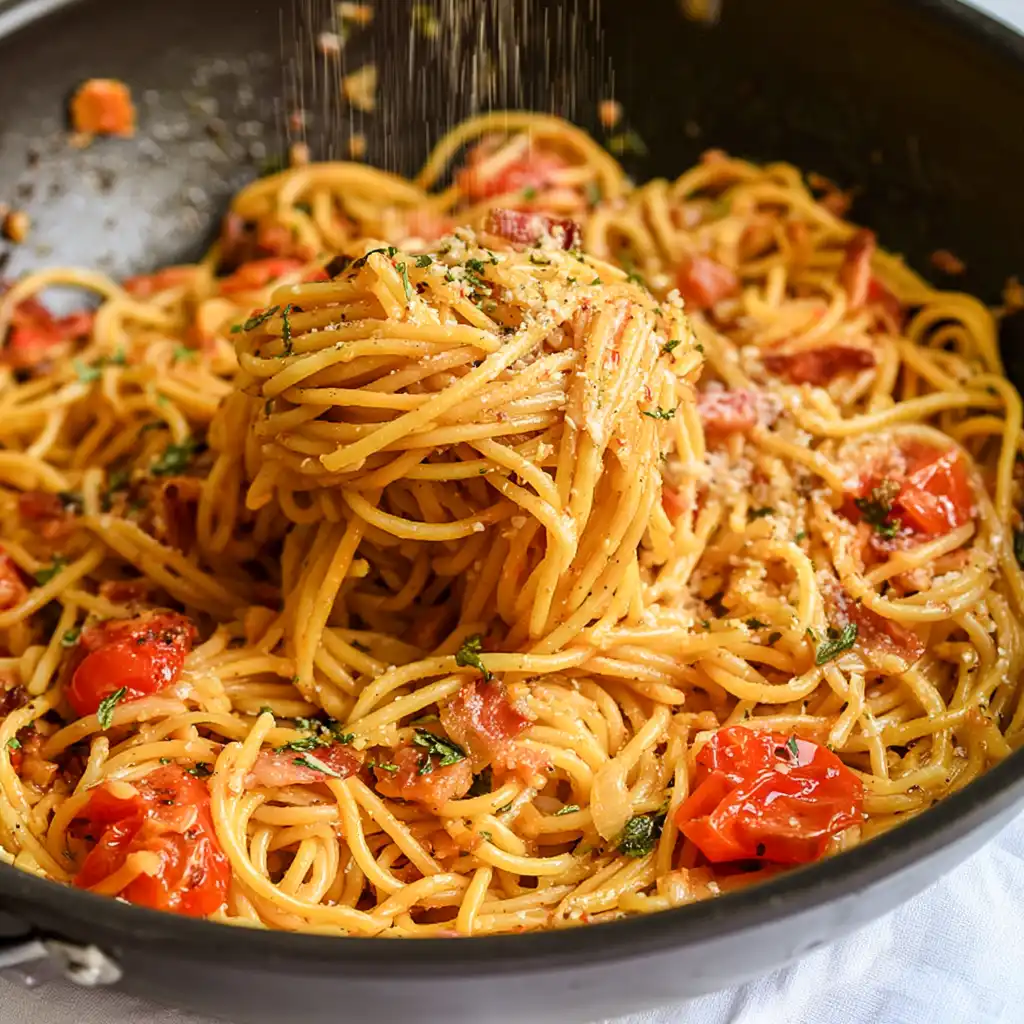

Quick Leftover Spaghetti
Ingredients
Equipment
Method
- Chop the onion finely. Chop the bacon if necessary. Set aside.
- 1 onion + 3 oz bacon
- Heat a large cast-iron or nonstick skillet on high heat. Add oil and butter and let the butter foam gently.
- 1 ½ tablespoon olive oil + 1 tablespoon butter
- Add onions and bacon. Lower the heat to medium-low and cook for about 3 minutes, stirring regularly, until the onions are softer.
- Halve the cherry tomatoes, add them to the pan together with the oregano. Cook for about 2 minutes, stirring occasionally.
- 8 oz cherry tomatoes + 1 teaspoon oregano
- Add the halved spaghetti and stir well for about 4-5 minutes until they are heated through.
- 1 lb spaghetti
- Add grated cheese, salt, and pepper and stir well for another 2-3 minutes until the cheese melts.
- 1 cup cheese
- Adjust the taste with salt and pepper and serve immediately.
- ¼ teaspoon fine sea salt + ⅛ teaspoon ground black pepper
Notes
- Pasta: You can use any type of cooked pasta you have.
- From scratch: If you don’t have leftovers, cook about 9 oz (250 g) pasta, drain well, and let cool and dry slightly before frying.
- Bacon: Already cubed bacon (or pancetta), if available. Otherwise, chopped regular bacon.
- For a vegetarian dish, replace bacon with vegetable cubes like zucchini, eggplants, mushrooms, bell peppers, broccoli florets, carrots, etc. Cook the veggies together with the onions until soft. Add some garlic if desired.
- Tomatoes: Or chopped regular-sized tomatoes. But cherry tomatoes have more flavor.
- For a spicier dish, add some red chili flakes or cayenne pepper to taste.
- Cheddar or Gouda are my first choices, but any other type of good-melting cheese is fine. For example, try Swiss, Provolone, Colby, Monterey Jack, or a mixture of mozzarella and Parmesan. Or Feta.
Calories: 558kcal | Carbohydrates: 41g | Protein: 15g | Fat: 37g | Saturated Fat: 15g | Polyunsaturated Fat: 4g | Monounsaturated Fat: 16g | Cholesterol: 51mg | Sodium: 370mg | Potassium: 254mg | Fiber: 3g | Sugar: 4g | Vitamin A: 580IU | Vitamin C: 15mg | Calcium: 240mg | Iron: 2mg